Croatian Cadets Secure A Division with +322 Point Differential
The 2010-born generation, led by Roko Ukić, recorded eight wins and an average margin of 40 points, signaling the return of Croatian basketball to the big stage.
The 2010-born generation, led by Roko Ukić, recorded eight wins and an average margin of 40 points, signaling the return of Croatian basketball to the big stage.

The Croatian cadet basketball team, composed of players born in 2010 and younger, achieved a historic success in the B Division in Macedonia. The boys, led by head coach Roko Ukić, strung together all eight wins and earned promotion to the elite A Division, outplaying their opponents with an incredible point differential of +322, meaning they won by an average of 40 points per game.
What sets this generation apart from previous ones is not just raw talent, of which this selection has plenty, but also the established game system. In Macedonia, Croatia played at a high tempo, was aggressive on defense, and had a clearly defined offensive structure that highlighted individual skill. It is precisely this combination, the complete package on both ends of the floor, that has been sought after in youth selections for years.
The 2010 generation has been touted for several years as the next great Croatian generation, the last being the one born in 2002, which won the European Championship title in the A Division. Before that, the brilliant 1997-born generation also left a deep mark.
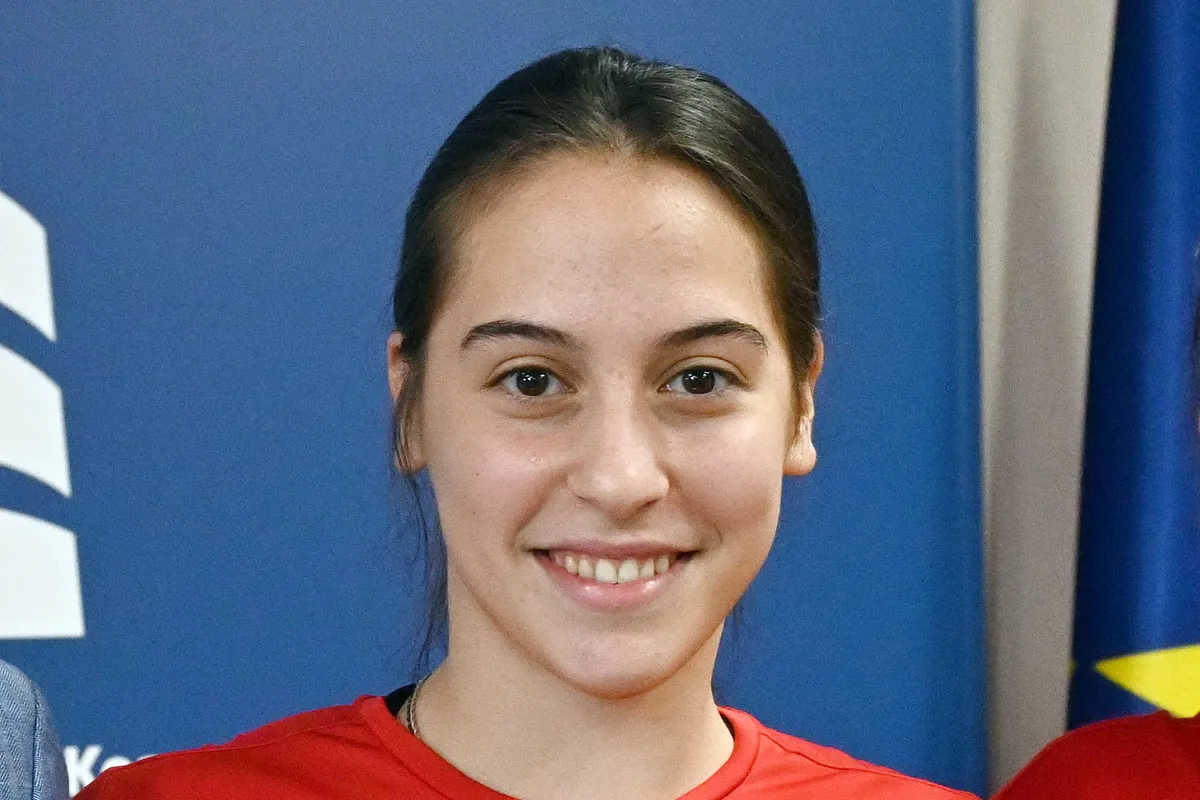
On the court, Luka Ukić, the coach's son, dominated, averaging 22 points, three rebounds, and 5.7 assists per game. His three-pointer secured the gold in Macedonia and earned him the title of Best Player of the B Division for the second time. Zagreb native Nikša Zlopaša was also named to the tournament's All-Star Five, while Rijeka native Fran Strahija also earned a spot on the ideal lineup.
The trio of Ukić, Strahija, and Zlopaša-guard, wing, and combo-forms the backbone of this selection. All three possess serious physical attributes and basketball intelligence rarely seen in players their age. Nikša Zlopaša, who is only 15, will lead the 2011-born generation next summer in the fight for European cadet medals, as he is just entering the cadet age group.
This generation also faced personnel challenges. Toni Garma, a talented player from this generation, decided to focus on an individual program during the summer and missed the competition in Macedonia. Additionally, Croatia lost two massive talents as Roko Jerkić and Marko Volf, both born in Germany, chose to play for the German national team, despite both having attended early Croatian team gatherings.
With those two players, Germany finished fifth in the A Division in Oradea, with Marko Volf being his team's standout player. Roko Jerkić did not play in that competition. Despite these departures, the core of the generation remained together in Croatia, and Roko Ukić managed to find players for new roles.
It would have been ideal if the Croatian U-18 team had managed to secure a return to the A Division at the B Division tournament in Rijeka, which would have meant that Ukić, Strahija, and company would be playing for European medals next summer as first-year juniors. Unfortunately, that did not happen, as Croatia incredibly lost a quarterfinal match against Poland despite having the game in hand.
By combining the kids who were first-year juniors in Rijeka with the majority of the squad from Macedonia, Croatia will attempt next summer to return the U-18 selection to the A Division, with the goal of challenging for the junior podium in full force in 2028. Before their appearance in Macedonia, the cadets played a tournament in Turkey featuring exclusively teams from this year's cadet A Division, and the Croats swept through that competition as well, further confirming the potential of this generation.