Croatian Cities Face Oven Scenario
Croatia's first arborist, Fran Poštenjak, warns that drought and extreme heat are seriously endangering urban trees, with the real damage only becoming visible in autumn.
Croatia's first arborist, Fran Poštenjak, warns that drought and extreme heat are seriously endangering urban trees, with the real damage only becoming visible in autumn.
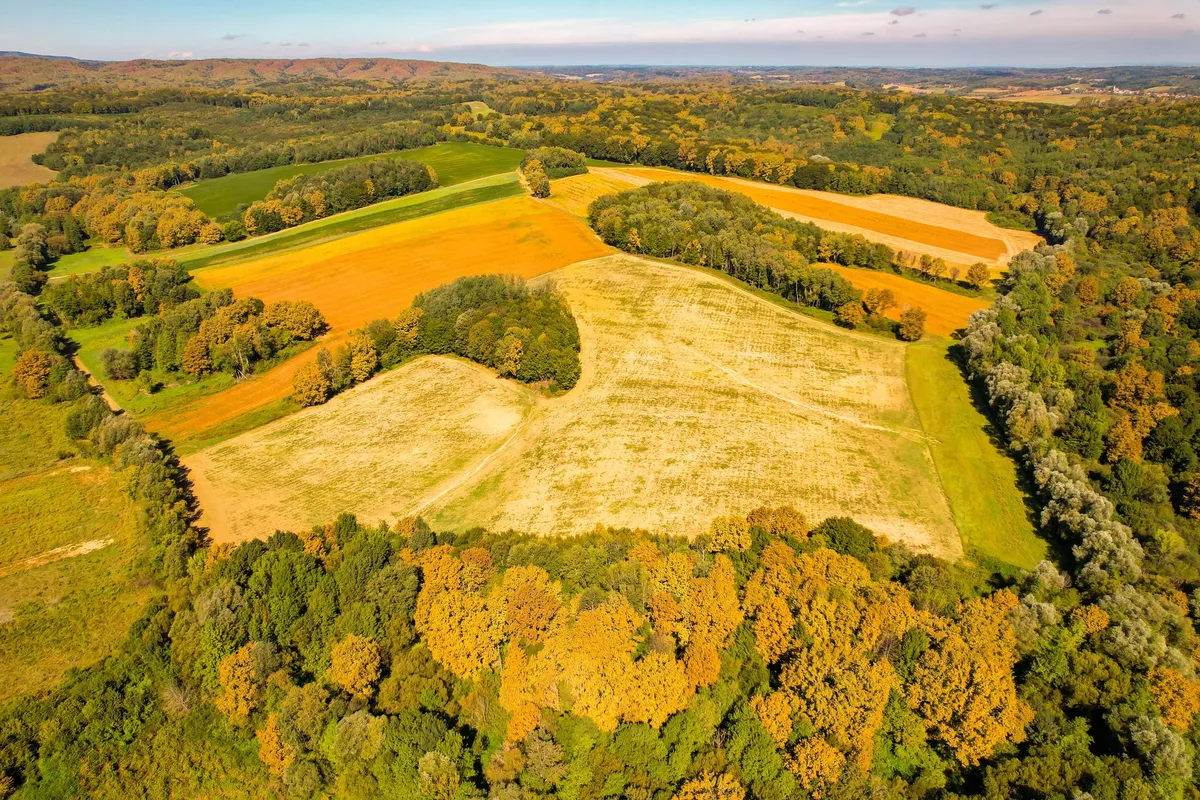
Urban trees in Croatia are facing unprecedented pressure due to extreme heat, drought, and lack of rain. According to a report by Dulist on August 18, 2026, Fran Poštenjak, Croatia's first arborist, owner of the company Arboring, and director of professional development at the platform Ekologija.hr, emphasizes that surface watering and unplanned planting are not sufficient, and the true consequences of this year's summer heat will be seen in autumn.
As Europe warms faster than the rest of the world, and extreme heatwaves and droughts become a permanent climatic pattern, Croatian cities are facing a serious danger. Asphalt and concrete in cities retain and further emit heat, creating urban heat islands, while urban trees, the only natural cooling system, are under great pressure.
Poštenjak points out that drought is a silent killer of urban greenery. The symptoms that citizens notice in July and August-yellowing, pale leaves, and drying edges-are only external signs of the deep stress the plants are experiencing.
Water consumption data best shows how much urban trees are under strain. At typical summer temperatures up to 25°C, a mature urban tree about 20 meters tall uses between 150 and 200 liters of water per day. However, when temperatures rise above 35°C, which is increasingly common in Croatian cities, consumption multiplies, reaching 400 to 600 liters of water per day.
The problem is further compounded by inadequate care. Surface watering, often used in city parks and along roads, only creates a false sense of security. At high temperatures, water only moistens the top layer of soil and quickly evaporates, while the deeper root system remains dry. Without deep irrigation and ensuring quality, loose soil with sufficient organic matter, roots cannot absorb the necessary moisture.
"Trees on average contain about 50% water, and damage incurred in summer often only becomes fully visible in autumn, when some trees irreversibly weaken or die," emphasizes Poštenjak.
After a tree experiences multiple consecutive drought periods without any professional intervention, its ability to resist physiological stress becomes increasingly weaker. Such weakened trees become easy targets for pests and diseases that eventually destroy them.
Old, large trees are particularly at risk. Interestingly, it is precisely such trees that provide the most environmental benefits, as they offer the widest shade range, reduce air temperature by several degrees, and retain rainwater. If we lose one mature tree, a new sapling will need decades to provide the same level of protection and microclimatic benefits.
Experts clearly warn: Croatian cities must change their previous approach. Urban greenery should not be considered merely an aesthetic addition to streets, but as crucial urban infrastructure that directly affects the health and quality of life of citizens.
Climate resilience is not achieved by random planting in poorly prepared pits, but through long-term and professional planning: selecting more resilient species, ensuring quality root space, proper deep irrigation, and continuous arboricultural supervision. Otherwise, without planned care and investment in preserving existing trees, Croatian cities risk spending summer months in unbearable, concrete ovens.