Croatian Judiciary Faces Its Biggest Generational Shift
Justice Minister Damir Habijan warns that at least 254 new judges will soon be needed, despite Croatia having 42 judges per 100,000 residents, the second-highest number in the EU.
Justice Minister Damir Habijan warns that at least 254 new judges will soon be needed, despite Croatia having 42 judges per 100,000 residents, the second-highest number in the EU.
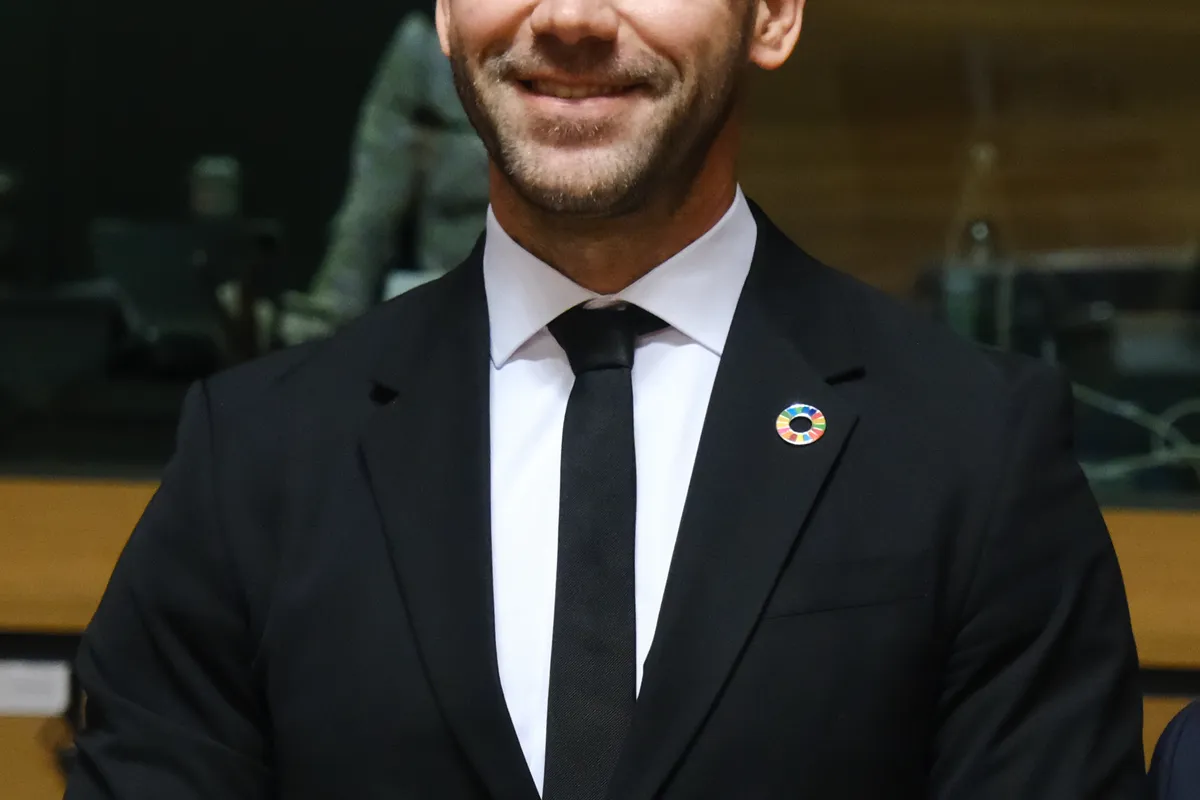
Croatia's judiciary is set for its biggest overhaul since the 1990s. Justice and Digital Transformation Minister Damir Habijan has warned that the country will soon need at least 254 new judges, in the context of regular court operations, not a campaign to reduce case backlogs.
Habijan's statement seems contradictory, given that Croatia, according to the EU Justice Scoreboard 2026, has 42 judges per 100,000 residents, making it the second-highest in the European Union, just behind Greece. Despite this, the minister told N1: "We will soon face a huge problem with too few judges."
Habijan emphasized that he hopes improved working conditions and salaries for judicial officials will attract new blood, which he described as "essential," but above all, a quality pool of candidates. "I believe that the working conditions and salaries for judicial officials are now at a better level, and we hope to attract new blood that we desperately need, but primarily I mean a quality structure of people," the minister said.
This is a generational shift that will affect the Croatian judiciary in full force. The minister stressed that the issue is not about speeding up case resolution but about the very regular functioning of the judiciary, which could be jeopardized if a sufficient number of qualified legal professionals is not ensured in a timely manner.
The exact timeframe in which this shortage will manifest was not specified in the sources, but it is clear that this is a structural challenge requiring long-term planning and attracting new talent to the judicial system.