HSP Demands Stricter Penalties for Arson
After police in the Zadar area detained four individuals, the Croatian Party of Rights argues that the current range of penalties for deliberately starting fires is insufficient.
After police in the Zadar area detained four individuals, the Croatian Party of Rights argues that the current range of penalties for deliberately starting fires is insufficient.
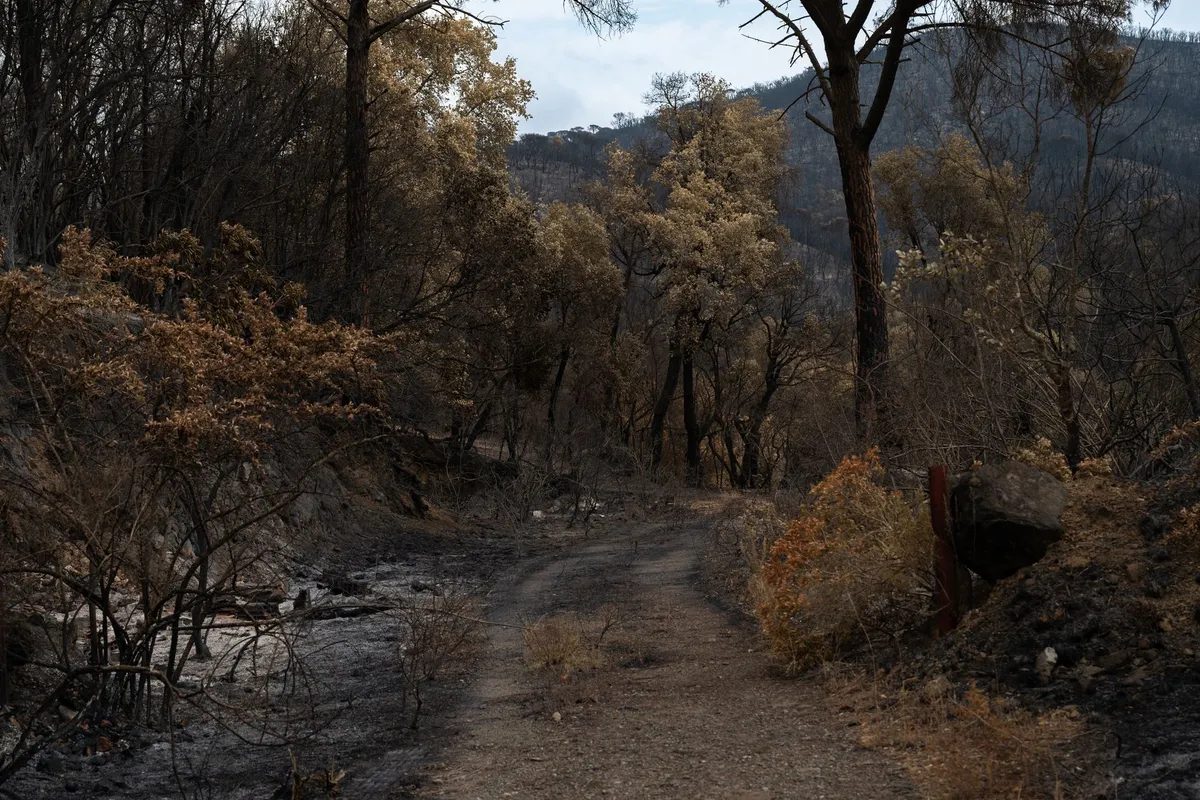
The HSP has called for stricter criminal measures for those found to have deliberately set fires. This request came after police in the Zadar region detained four individuals linked to possible arson, as reported by Narodno.hr on Sunday, August 16, 2026.
The criminal investigation is still ongoing, so their guilt has not been confirmed, nor is it known which specific fires they might be connected to. The HSP emphasizes that final assessments should be left to the investigation, but at the same time, they believe that the existing range of penalties is insufficient in situations where people, places, and significant property are knowingly endangered.
Under the current Fire Protection Act, a person who causes a fire can face a fine ranging from €1,990 to €19,900 or imprisonment for up to 60 days. If the fire is caused by negligence, the penalty is a fine of €260 to €1,990.
However, the Criminal Code provides much harsher penalties when a fire poses a danger to life, limb, or property on a larger scale. For such an offense, the penalty is imprisonment from six months to five years.
It is precisely on the distinction between misdemeanor and criminal provisions that the HSP bases its demand for changes. "Anyone who, in the middle of summer, in dry and windy conditions, deliberately sets fire to forest, maquis, or vegetation near settlements knows exactly what they are doing," the party states, warning that such an offender must be aware of the possibility of the fire spreading to homes and endangering human lives.
The HSP particularly emphasizes the possibility of deliberate arson at multiple locations. They believe that such cases, if the intent to cause fear, endanger people, or disrupt security is proven, should be treated under the most severe forms of criminal liability. At the same time, they caution that the term terrorism has a precise legal meaning and that this qualification should not be used without evidence.
The party's message is nonetheless unequivocal: for deliberately setting fires in circumstances where harm to people and settlements can be anticipated in advance, they demand multi-year prison sentences. "We cannot wait for deaths to make the penalty serious," the HSP stated.
The debate over the severity of penalties, the party believes, should not begin only after a tragedy. If a fire is determined to have been set deliberately and premeditatedly, the responsibility must be proportional to the actual danger created by the offender, not merely to the fact that the worst outcome was avoided this time.