Iraq in Financial Collapse: Oil Exports Down 75%
Iraqi Oil Minister Hayan Abdul-Ghani confirmed that the country is exporting only a quarter of its pre-war oil volumes, triggering severe liquidity problems and delays in paying state employees.
Iraqi Oil Minister Hayan Abdul-Ghani confirmed that the country is exporting only a quarter of its pre-war oil volumes, triggering severe liquidity problems and delays in paying state employees.
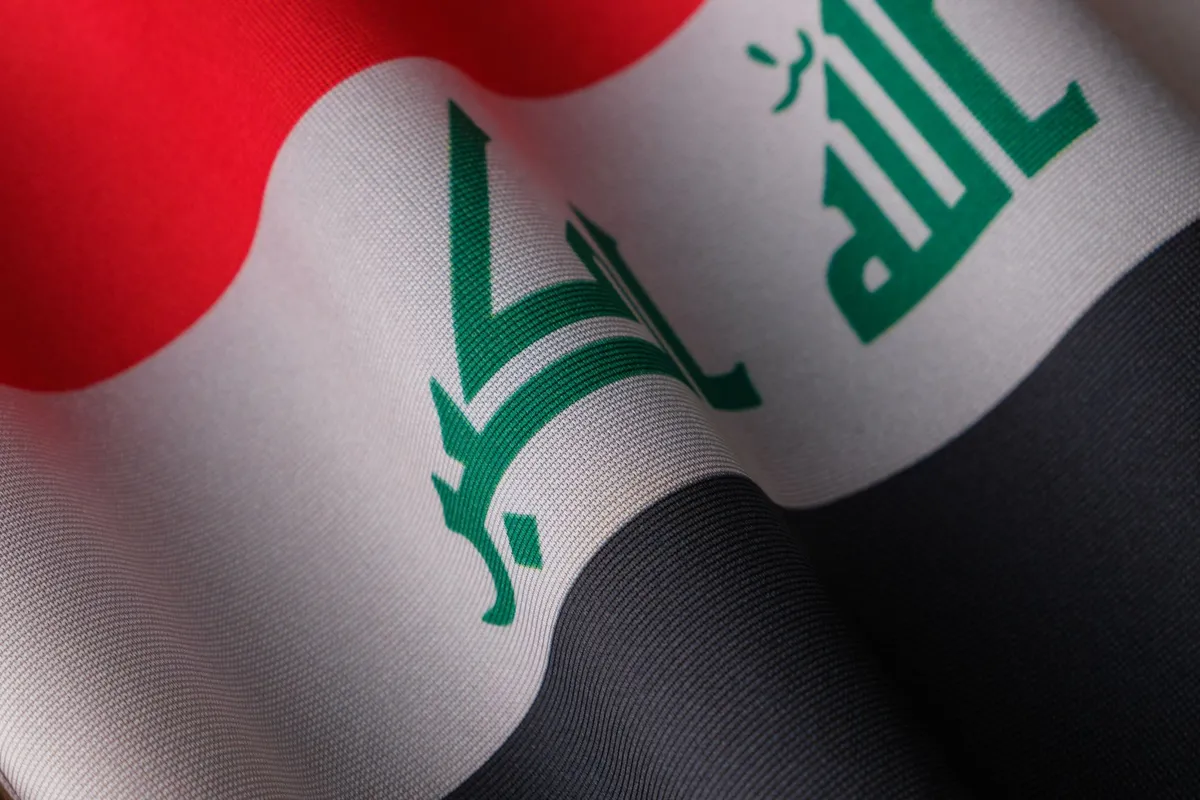
Iraq is experiencing a dramatic 75 percent drop in oil exports, a direct consequence of the prolonged blockade of the Strait of Hormuz and regional military escalations. This alarming figure was announced on Saturday at a press conference in Baghdad by Iraqi Oil Minister Hayan Abdul-Ghani, who warned of a serious financial crisis shaking the entire country.
According to him, Iraq is currently exporting only about 25 percent of the volumes that were standard before the outbreak of regional hostilities on February 28, 2026. Before the crisis, Iraq exported approximately 3.5 million barrels of crude oil per day, which constituted the main source of state revenue.
The sharp decline in oil revenues has led to an acute liquidity shortage in the federal government. As a result, there are increasing delays in paying salaries to public sector employees. Minister Abdul-Ghani confirmed that oil is currently being sold at significant price concessions, well below the baseline price set in the state budget, further deepening the budget deficit.
The government in Baghdad is also grappling with the issue of compensation for foreign energy companies. Abdul-Ghani clarified that Iraq will compensate for damages resulting from attacks originating from Iraqi territory. However, the government has legally distanced itself from liability for damages caused by foreign military strikes or broader combat operations that are beyond state control.
To reduce dependence on the Persian Gulf and the blocked Hormuz, Iraq's Ministry of Oil is rapidly developing infrastructure for overland exports. Priority is being given to projects for expanding and constructing pipeline corridors that would connect southern production hubs with the Mediterranean.
Planned routes include directions toward Turkey's Ceyhan port, Syria's Baniyas terminal, and Jordan's Aqaba port. Long-term plans also envision transit to the Red Sea via Jordanian territory. Although Baghdad has held diplomatic talks with Iran about allowing Iraqi tankers to pass through the Gulf, an operational agreement has not yet been reached.
Such disruptions at one of the world's key oil hubs have the potential to impact global energy prices, and thereby indirectly affect supply and prices in the European Union.