Iran and Oman Close to Deal on Hormuz
Tehran says the previous status of the strategic strait is no longer acceptable and seeks compensation from Washington, while the UAE reports a new attack on its vessel.
Tehran says the previous status of the strategic strait is no longer acceptable and seeks compensation from Washington, while the UAE reports a new attack on its vessel.
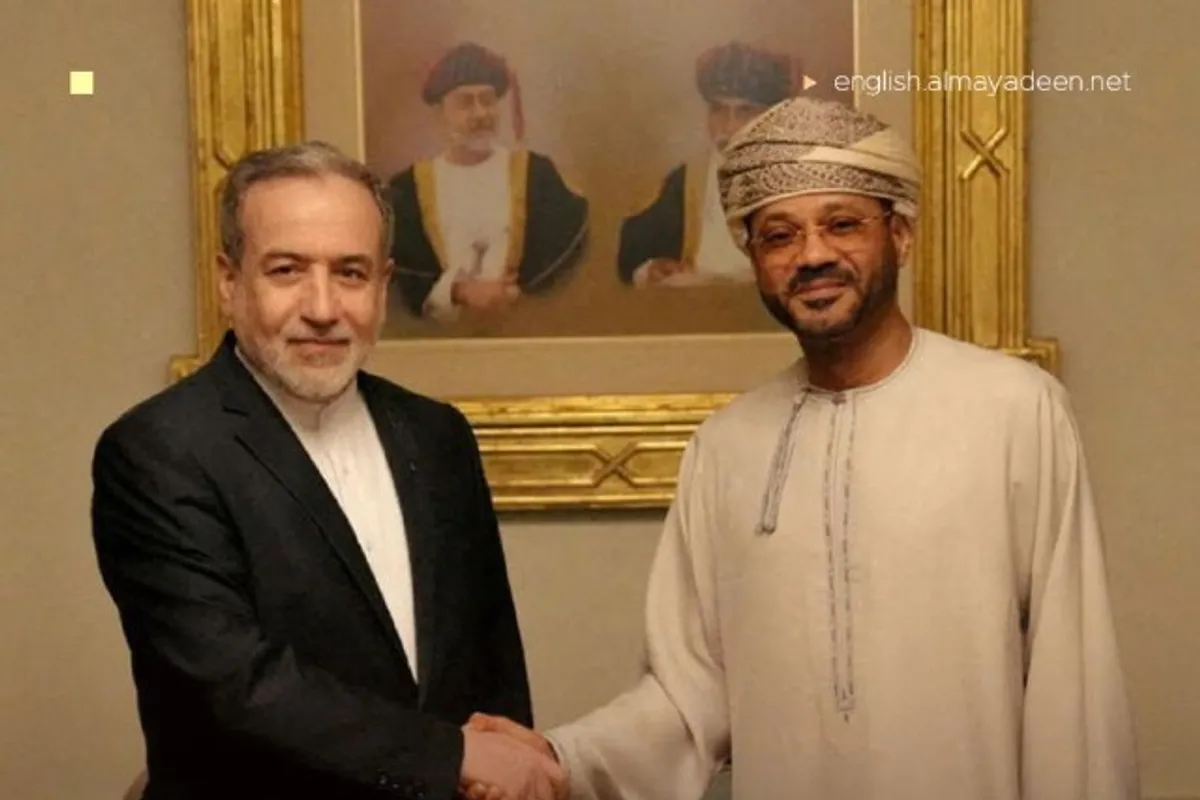
Iranian Foreign Minister Abbas Araqchi stated on Saturday that Iran and Oman are "very close" to reaching an agreement on a new, temporary maritime route through the Strait of Hormuz. However, he emphasized that the full reopening of this strategic passage, crucial for global oil transport, remains conditional on broader circumstances, including securing compensation for what Tehran considers American violations of the Islamabad Memorandum of Understanding.
Araqchi clarified that the previous traffic separation scheme through the strait is no longer acceptable to Iran. He added that the two countries, located on opposite shores of the strait, are discussing a temporary route while technical and legal issues related to a permanent solution are resolved. The news of the nearing agreement comes amid a five-month conflict between Iran and the United States, which began with American and Israeli strikes on Iran on February 28, 2026.
According to Reuters, the proposed agreement between Iran and Oman, seen as key to ending the conflict, would grant Tehran control over vessels entering the Persian Gulf through the strait. This would be one of the largest concessions to Iran so far. However, U.S. officials have repeatedly insisted they will never agree to Iranian control over the world's most important trade route for energy supplies.
On the same day, the UAE announced that Iran had struck a vessel linked to its state oil company with a missile while it was transiting the Strait of Hormuz. There were no injuries in the attack. Iranian authorities have not yet commented on the accusation, and interestingly, Iranian media reported the UAE's statement but omitted the part directly blaming Iran for the attack.
Attacks on ships in the strait have been common since the conflict began. Abu Dhabi National Oil Company, one of the world's largest energy producers, said on Friday that as many as 15 of its vessels had been hit in what it described as unprovoked attacks during transits through the strait. One crew member was killed and 20 were injured in these incidents. Iranian media often report on attacks on ships they claim violated Iranian directives, without specifying that Iran is behind these attacks.
An anonymous U.S. official told Reuters on Friday that there is progress between Oman and Iran regarding the strait and that an agreement is expected soon. "Once an agreement is announced to restore unimpeded commercial traffic, the United States will lift the blockade on Iranian ports," the official said, adding that U.S. actions will continue to be "effects-based and tied to the implementation of Iran's commitments."
However, a spokesman for Iran's Revolutionary Guard, Hossein Mohebbi, said on Saturday via the Tasnim news agency that the reopening of the Strait of Hormuz depends solely on whether Washington accepts Iran's conditions, not on negotiations with Oman. "Whenever the United States accepts Iran's conditions, the Strait of Hormuz will certainly be reopened," Mohebbi stated, without specifying what those conditions are, but stressed that Washington must stop interfering in the regional negotiation process.
The Strait of Hormuz, through which a fifth of the world's oil and gas shipments passed before the war, has become a flashpoint in the conflict. Iran has used the hostilities to justify imposing tariffs on tankers, and firing on ships attempting to pass without permission has severely disrupted global supplies. The result has been a spike in energy prices and increased inflation.
In addition to attacks in Hormuz, there have been increased attacks by Iran's Yemeni allies, the Houthis, targeting vessels at another oil hub, between the Red Sea and the Gulf of Aden, on the other side of the Arabian Peninsula. Although this news has no direct connection to Croatia, any easing of the situation and the reopening of the strait would directly contribute to lowering global energy prices, thereby alleviating inflationary pressures in the eurozone.