Iran Offers $30,000 Bounty for American Soldiers
Iranian military commander Amir Hatami announced the bounty will be doubled if carried out by a woman, as a 60-day ceasefire expires and tensions rise over the Strait of Hormuz.
Iranian military commander Amir Hatami announced the bounty will be doubled if carried out by a woman, as a 60-day ceasefire expires and tensions rise over the Strait of Hormuz.
Iran's military announced on Sunday, August 16, 2026, that it is offering a $30,000 bounty for the killing or capture of American soldiers. According to reports from multiple international media outlets, including France 24 and the South China Morning Post, the bounty is doubled if the action is carried out by a woman.
Iranian military commander Amir Hatami stated that the plan was drawn up following a "large number of requests" for participation, as reported by Iran's state news agency IRNA. Hatami referred to American soldiers as "aggressors."
According to available information, during the Middle East war, there have been no known deployments of American ground forces in Iran, except for a rescue mission in April 2026 for a downed American pilot.
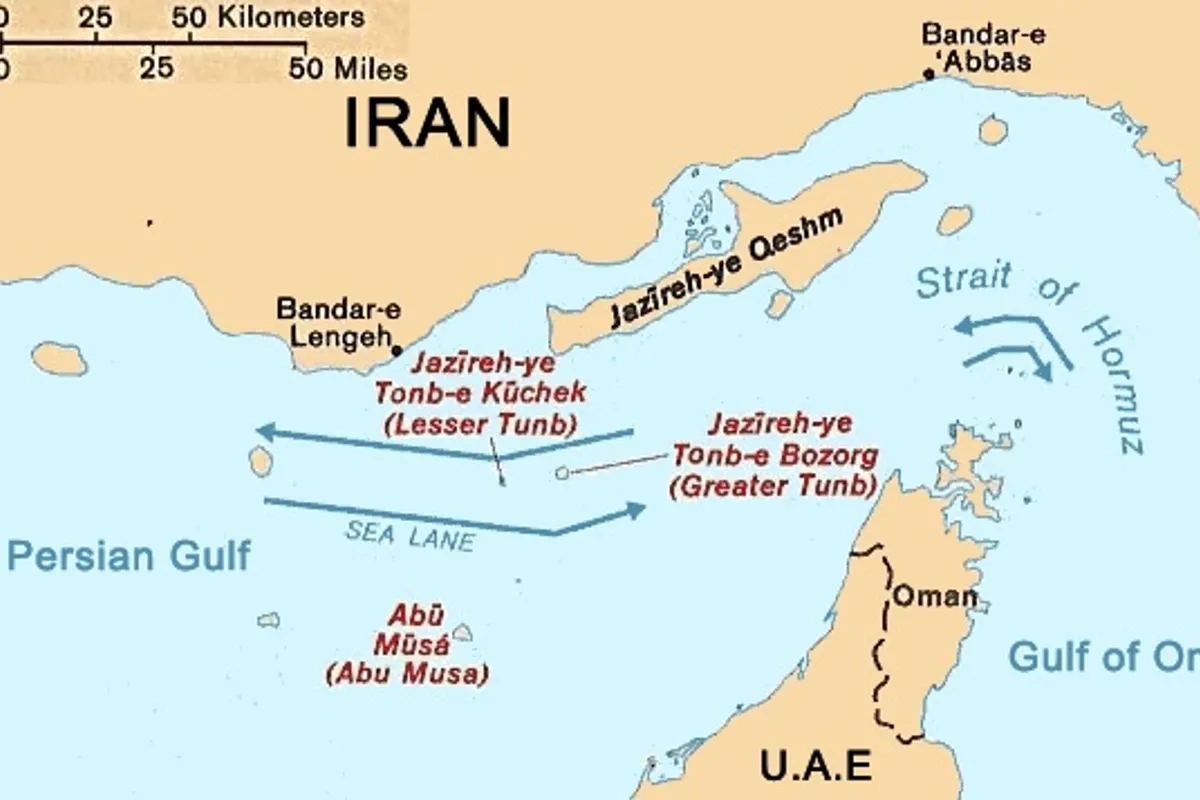
The bounty announcement comes as the 60-day ceasefire signed in June under the Islamabad memorandum expires. U.S. President Donald Trump announced on Friday, August 14, that he would "very soon" declare the Strait of Hormuz a U.S. territory.
Iran's Deputy Foreign Minister Kazem Gharibabadi responded ironically: "The strategic Strait of Hormuz cannot be conquered by a tweet, nor by an aircraft carrier, nor by an order, nor by a campaign speech: it was, is, and will remain Iranian."
He also added a warning: "The strait will be closed and opened only by Iran's command, and until you accept the reality of defeat, Iran will continue to impose a blockade." Approximately one-fifth of the world's oil and gas passes through the Strait of Hormuz.
Iran's parliament is preparing to vote on a draft law with measures to "ensure the lasting security and development of the Strait of Hormuz and the Persian Gulf" and on a regulation concerning "countering foreign interference." The latter provides for banning the passage of "any vessel carrying equipment and cargo owned by the United States, Israel, and countries hostile to Iran."
On the other hand, U.S. Treasury Secretary Scott Bessent announced for this week the introduction of economic measures "never seen before" against Iran, which are expected to isolate the country from the rest of the world. Gasoline prices in the U.S. have exceeded $4 per gallon.
A senior White House official described the situation between the two countries as static: "It doesn't matter how close or far we are from the goal. What matters is whether Iran wants to sit at the table and reach a deal. So far, it hasn't."
Negotiations are further complicated by internal divisions within the Iranian state. In mid-May, the Trump administration attempted to establish direct contact with the commander of Iran's Revolutionary Guard, Ahmad Vahidi, through the President of Iraqi Kurdistan, Nechirvan Barzani.
The Iranian government has dismissed Trump's threats and announcements as "out of place" and "nonsense." The ceasefire expires on Wednesday, June 17, 2026, and an extension seems unlikely even though mediators are still working on a solution.