Iran Stops Emirati Tanker in Strait of Hormuz
Semi-official Fars news agency reports that Iranian forces stopped a UAE-owned vessel near Qeshm Island, as tensions in the strategic waterway continue to rise.
Semi-official Fars news agency reports that Iranian forces stopped a UAE-owned vessel near Qeshm Island, as tensions in the strategic waterway continue to rise.
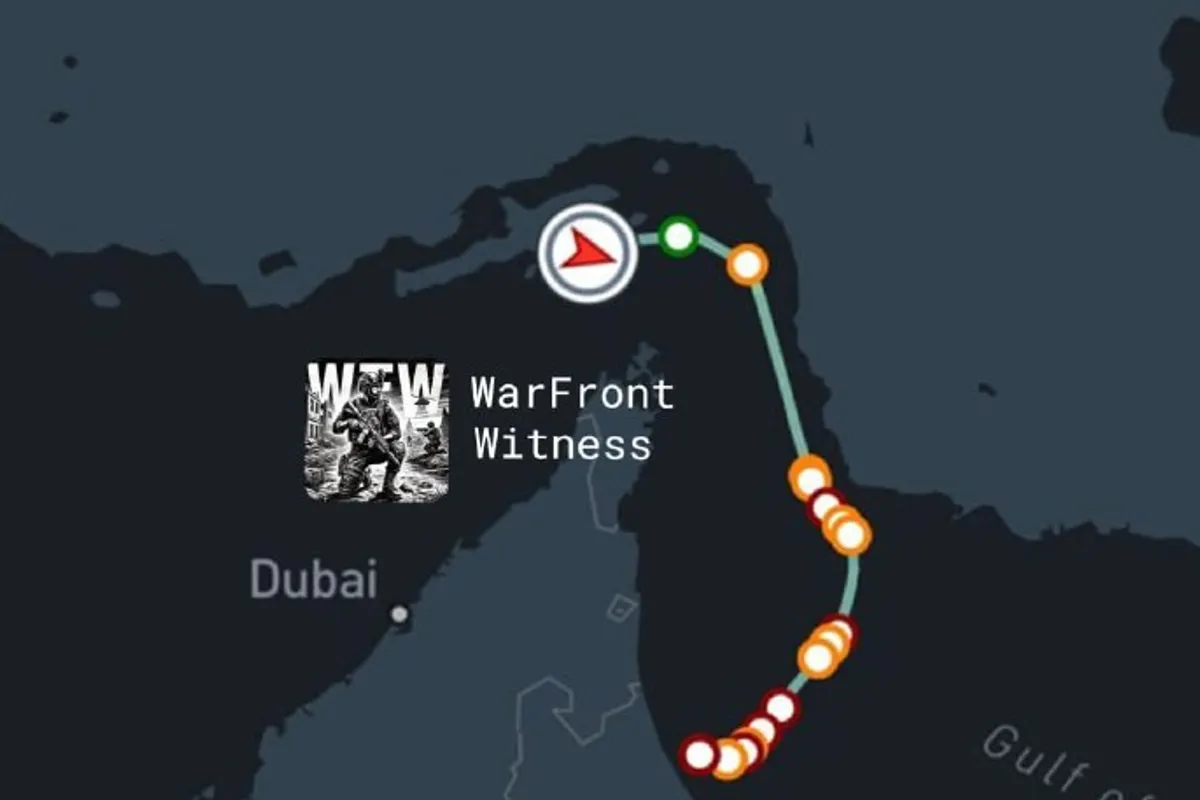
Iranian forces stopped an oil tanker owned by the United Arab Emirates near Qeshm Island as it was passing through the Strait of Hormuz, the semi-official Iranian news agency Fars reported on Monday, August 17, 2026. The vessel was stopped in accordance with Iranian requirements for safe passage, which include using a route designated by Iran, paying service fees, and obtaining Iranian approval.
According to Fars, tankers seeking safe passage through the Strait of Hormuz "must follow the route designated by Iran, pay service fees, and obtain Iranian approval." The tanker remained stopped near Qeshm, with sources differing on the exact Iranian institution that carried out the seizure. Behold Israel reports that it was the Islamic Revolutionary Guard Corps, while WarFront Witness mentions "Iranian forces" in general.
Sources also cite different reasons for stopping the tanker. Al Mayadeen English reports that Iranian state television announced the tanker was seized for violating Iranian maritime laws. On the other hand, WarFront Witness states that the vessel was stopped in accordance with Iranian requirements for safe passage through the strait. There has been no official confirmation from either the Iranian or Emirati side, according to Anadolu Agency.
The stopping of the tanker is part of a broader pattern of pressure on maritime traffic linked to the UAE. Two tankers of the UAE's national oil company ADNOC were targeted in the Strait of Hormuz on August 13, 2026, while a third tanker from the same company was hit a day later, on August 14. There were no deaths or injuries in these attacks.
The Strait of Hormuz is a crucial chokepoint through which about 20 percent of global oil and liquefied natural gas shipments pass. Despite the incidents and data showing extremely low traffic through the strait, U.S. President Donald Trump has repeatedly claimed that the waterway is under U.S. control.
Semi-official Iranian television Press TV reported on August 14, citing an intelligence source, that the Pentagon has concluded that no existing military plan can guarantee the safe passage of ships through the Strait of Hormuz. "The Pentagon's assessment is that currently no military plan has the political and security capacity to guarantee that the Strait of Hormuz remains open, ensure safe passage, and maintain energy stability," the intelligence community source told Press TV.
The rise in tensions comes despite recent reports that Iran and the U.S. were close to an agreement on reopening the Strait of Hormuz through Omani mediation. Given the latest incidents, a new round of conflict seems more likely than a diplomatic solution. The incident has no direct connection to Croatia, but it affects global energy flows and the security situation in the region, which could consequently impact the EU's energy security.