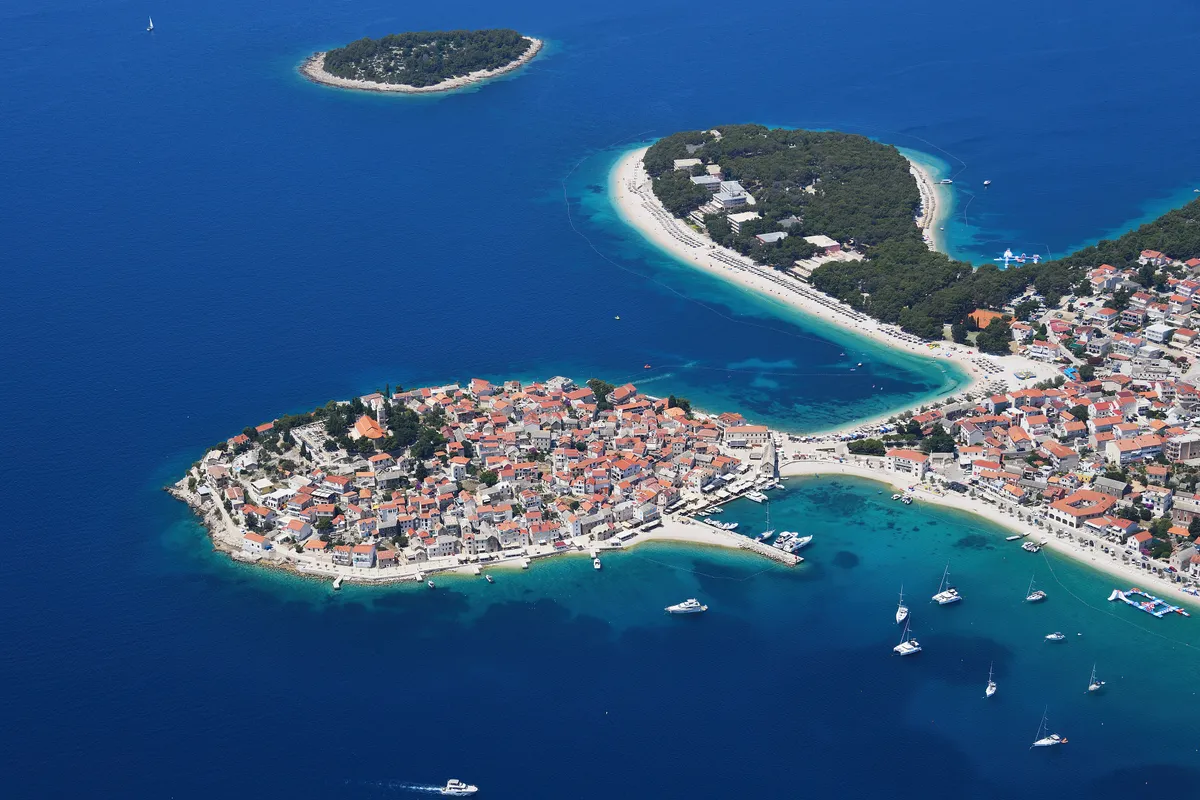
The Ruđer Bošković Institute (IRB) is participating in the international MIRAMAR project, which aims to investigate how various human and climate pressures overlap and impact the Adriatic Sea. The project brings together eight partners from six Mediterranean countries, with research along the western coast of Istria conducted from April 2025 to the end of 2027.
They Don't Act Individually, but Together
Project associate Mia Knjaz from the IRB's Center for Marine Research explained why it is crucial to understand the cumulative effect of all pressures. "We are aware that humans affect marine ecosystems in various ways and that this impact is often harmful. However, climate change, noise, light pollution, chemical pollutants, invasive species, and marine litter do not act individually. Marine organisms are exposed to multiple pressures simultaneously, and we need to better understand their combined effect," said Knjaz.
Scientists are therefore collecting samples of seawater and sediment using a research vessel and recording the organisms present. They measure temperature, salinity, and pH levels, analyze microplastics in water, sediment, and on beaches, monitor invasive species, and record levels of underwater noise, light pollution, and chemical pollutants.
From Field to Lab: "A Lot of Brainstorming"
After returning to land, a lengthy processing of the collected material follows. "Fieldwork is just the first step. After that come hours in the lab, analyzing results, working on the computer, and a lot of brainstorming. Only by connecting all the data can we understand what is really happening in the sea," Knjaz noted.
By linking all this data, scientists will attempt to determine which pressures occur together, how strong they are, and how their combined effect impacts specific habitats. Research is not only conducted in the Adriatic but across a total of nine areas throughout the Mediterranean.
Seagrass Restoration as a Nature-Based Solution
The goal of the MIRAMAR project is not only to diagnose problems but also to develop concrete solutions based on natural processes. One of the key measures is the restoration of seagrass meadows. "That's why restoring seagrass doesn't just solve one problem. It can bring back lost habitat for native species, increase biodiversity, stabilize the seabed, and contribute to mitigating climate change. Such a measure benefits both nature and people, and it naturally integrates into the ecosystem," Knjaz emphasized.
These marine plants have multiple benefits: they stabilize the seabed, buffer wave impact, increase biodiversity, and serve as natural carbon sinks, directly aiding in the fight against climate change.
International Collaboration from Istria to Albania
The MIRAMAR project is coordinated by the University of Siena, specifically their Plastic Busters team. Alongside the IRB, the project involves several esteemed institutions: the Mediterranean Information Office for Environment, Culture and Sustainable Development from Greece, the Spanish National Research Council and the Spanish Institute of Oceanography, the Hellenic Centre for Marine Research, the Anton Dohrn Zoological Station from Italy, the Ministry of Tourism and Environment of Albania, and the Corsican Environment Office from France.