A Picky Eater? These 7 Tips Will Bring Back Your Dog's Appetite
Experts at AKC.org reveal how to encourage your dog to eat, from fresh diets to limiting treats, and when it's essential to seek veterinary help.
Experts at AKC.org reveal how to encourage your dog to eat, from fresh diets to limiting treats, and when it's essential to seek veterinary help.
Although dogs are often thought to eat anything, from scraps to old socks, some dogs are very picky eaters. This can cause ongoing concern for owners about whether their pet is getting all the necessary nutrients, because even the best food is useless if the dog won't eat it. However, there are various methods to stimulate appetite, as noted by AKC.org and reported by Index.hr.
One way to address pickiness is switching to a fresh food diet. According to research, such food is often more appealing to dogs. For example, in a study, 86.4 percent of dogs preferred a fresh meal over leading brands of dehydrated food.
A fresh diet can also improve digestion and help maintain an optimal body weight. For some dogs, simply switching to tastier food can solve the problem, while others need time to adjust.
Feeding your dog at the same time every day helps establish a routine and stimulates appetite. If food is available all day, the dog loses interest. A set schedule makes it easier to track the amount of food eaten, allowing for quicker detection of changes that might indicate health issues.
This is also important for safety reasons, as fresh food should not be left at room temperature for extended periods. Experts advise that if your dog hasn't eaten within half an hour, the food should be refrigerated until the next meal. If the food remains uneaten after a second attempt, leftovers should be discarded.
Too many treats and human food scraps can fill your dog up before the main meal and encourage pickiness. Overfeeding also causes health problems, and research shows that dogs at an ideal body weight can live up to two and a half years longer.
Treats are useful for training, but their caloric contribution should not exceed 10 percent of a dog's total daily needs. Following this guideline ensures your dog will be hungry for their complete and balanced meal.
Dogs need a quiet place to eat without distractions. Noise, playing children, or other activities can distract them and create a negative association with feeding. Consistency is key, so feeding in the same spot every day helps your dog settle down and focus on the meal.
Due to their highly developed sense of smell, a dirty bowl can make food unappealing. Food residue promotes bacterial growth and unpleasant odors. Therefore, it's crucial to wash the food bowl after every meal and the water bowl daily, just like human dishes.
Heat releases aromas, so slightly warmed food can stimulate appetite. Simply add a little warm water and stir the meal. It's not recommended to heat fresh food in the microwave, as this can reduce its nutritional value.
Some dogs become uninterested in the same flavor over time. Occasionally changing the recipe or protein type can rekindle their interest in food. This way, you can also discover which flavors your dog prefers.
Any change in diet requires adjustment. A dog that is initially wary of new food may eventually accept it. It's important to be persistent and give your dog a few days or weeks to get used to it.
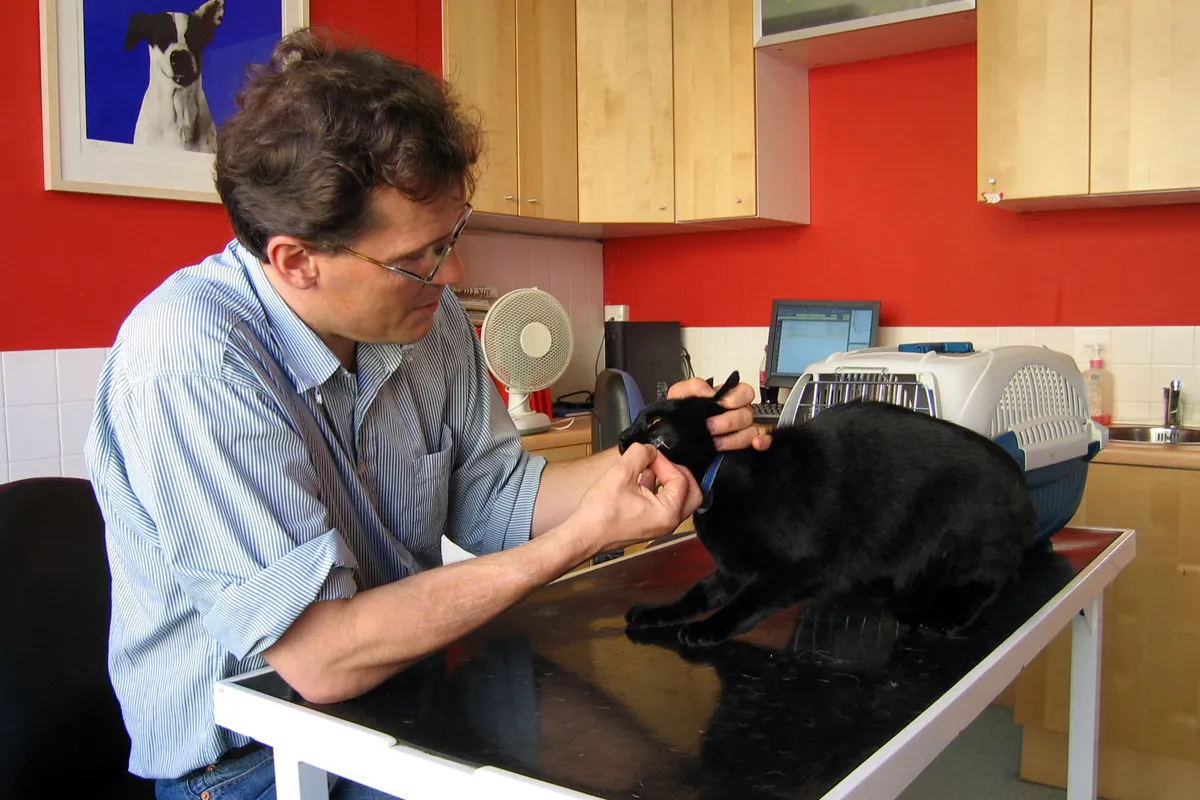
If a dog that normally eats well suddenly refuses a meal, seems lethargic, or shows other signs of illness, call the vet immediately. A veterinary check-up is also necessary if your dog refuses food for more than 24 hours without a clear reason, as a sudden loss of appetite can indicate a serious health condition.
Sometimes the causes are less obvious. For instance, a dog with arthritis may refuse food because lowering its head to the bowl causes pain. A vet can help determine the cause and adjust the feeding method.