The Adriatic Is Changing: Blue Crab and Tropical Algae Take Over the Sea
Climate change, plastic, and overfishing threaten one of Europe's most indented seas, while the implementation of protection measures remains slow.
Climate change, plastic, and overfishing threaten one of Europe's most indented seas, while the implementation of protection measures remains slow.
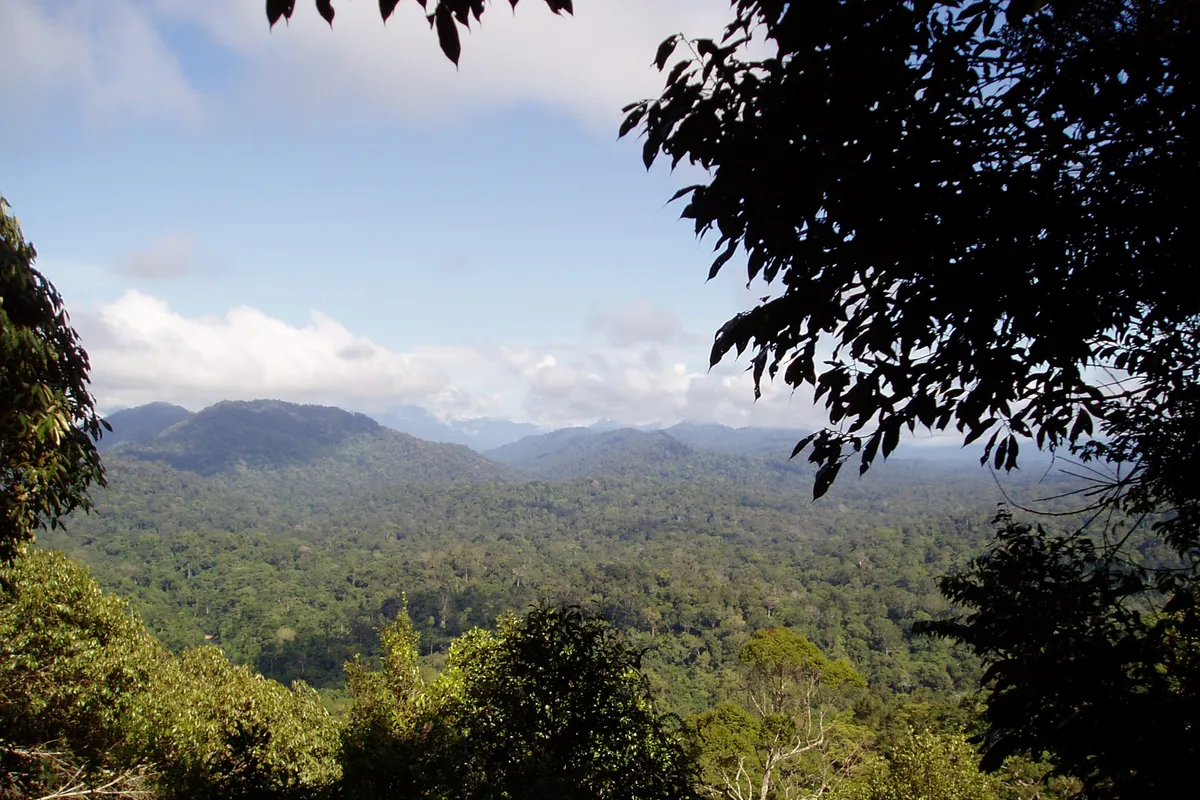
The Adriatic Sea, the northernmost gulf of the Mediterranean with an area of about 138,600 square kilometers, is undergoing dramatic changes that are altering its biodiversity and economic future. Rising sea temperatures caused by climate change are opening the door to invasive species such as the blue crab and tropical algae, while the sea simultaneously faces the problem of plastic waste and increasing pressure from tourism.
Scientists from the Institute of Oceanography and Fisheries in Split warn that the warming of the Adriatic is no longer a matter of the future but of the present. Invasive species once confined to warmer seas are now spreading across the Adriatic, transforming an ecosystem that is home to more than 7,000 plant and animal species. Among them are endangered species such as the loggerhead sea turtle, the common bottlenose dolphin, and the Mediterranean monk seal, whose habitats are further threatened by human activities.
According to estimates, around 1,000 tons of plastic waste end up in the Adriatic every year. The fishing fleet of about 8,000 vessels continues to struggle with overfishing, which threatens the balance of the ecosystem, while tourism along the Croatian coast generates more than 20 billion euros annually and exerts enormous pressure on coastal ecosystems and infrastructure. Nature protection associations, such as the Split-based Sunce Association, warn that protection measures on paper are often insufficient in practice.
In 2021, Croatia declared ecological and fisheries protection in the Adriatic, including 30 percent of marine areas as protected zones. However, implementation and monitoring remain inadequate, and measures often face resistance from fishermen and the tourism sector. The Ministry of Economy and Sustainable Development faces the challenge of balancing economic interests and ecological sustainability, while local communities on islands such as Hvar, Korčula, and Mljet seek a more sustainable development model amid depopulation.
The Adriatic Sea remains a key transport corridor, with ports like Rijeka, Ploče, and Split connecting Central Europe to the world. But the question increasingly raised by scientists and environmental associations is how much longer the Adriatic can withstand these pressures before its unique biodiversity is irreversibly altered.