Deer and Roe Deer Ravage Dugi Otok
Residents of Sali and Žman in despair over invasion of wild animals destroying gardens and crops, with Mayor Morović blaming hunters and the Ministry for years of obstruction.
Residents of Sali and Žman in despair over invasion of wild animals destroying gardens and crops, with Mayor Morović blaming hunters and the Ministry for years of obstruction.
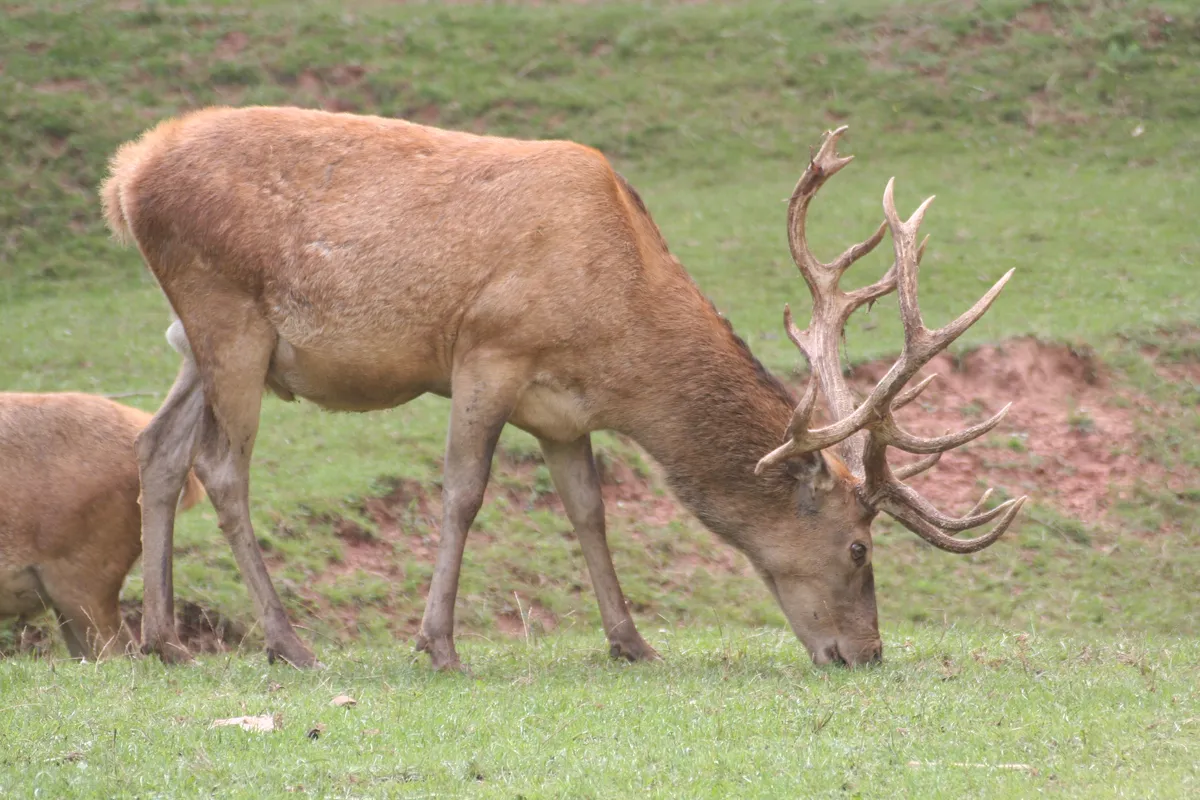
Farmers and residents of Dugi Otok have been fighting an unequal battle against deer and roe deer for years, as the animals have multiplied to such an extent that they no longer know how to protect their crops. According to the islanders, the animals have lost all fear and easily jump over even the tallest fences, entering zucchini, tomato, pepper, and cucumber plantations, and destroying young olive groves, vineyards, and orchards.
The situation has escalated to the point where Zoran Morović, the mayor of the Sali municipality, speaks of an "invasion of deer and other wild animals. The deer and roe deer have multiplied like crazy; there are an awful lot of them on the island, as well as wild boars and other wild animals. It's a catastrophe."
The root of the problem goes back two decades when the hunting society Rog from Žman brought 17 or 18 deer and roe deer into the island's hunting ground. According to Mayor Morović, the municipality appealed to the Ministry of Agriculture at the time to prevent this, but without success. "According to the Hunting Act, non-native game cannot be brought into a hunting ground, only into a breeding facility. And then it happened that the deer and roe deer broke through the fence of the breeding facility and escaped into the wild. These are stories for little children and a way to circumvent the law," Morović told Zadarski list.
The mayor also describes years of stalling by hunting inspectors. "We report damage caused by deer in Žman, and they go to the hunting ground in Sali and conclude there is no damage. When they finally did conclude there was damage, they ordered the Telašćica Nature Park to cull a certain number of deer, which they failed to do. After that, they multiplied enormously," he explained.
The problem is particularly pronounced in Žman, where Mayor Morović has personal experience. "I hear them every night about ten meters from the house. When dawn breaks, we often find their droppings, as well as where they've passed and grazed," he reveals. He warns that dry stone walls are no obstacle because the animals jump over them with ease.
"If you're engaged in agriculture, the key precondition for protecting your crops is to fence them with quality game-proof netting. When there were mouflons on the island, they were afraid of something, but these animals are afraid of nothing. If the fence isn't two meters high and sturdy, they'll jump it without a problem," Morović emphasizes.
Although deer and roe deer are active year-round, the current escalation is attributed by Šanto Basioli, president of the Sali local committee, to the drought. "Roe deer and deer cause the most damage in the fields. I think they're not coming for food but primarily because of the drought. The main problem is that very little agricultural land is cultivated, so those who do cultivate it get hit hard by these wild animals. They break through the fence and get into their crops," Basioli said.
He adds that the problem extends beyond deer and roe deer: "They come to the entire island, they move everywhere. We also have a problem with wild boars and jackals, so it's about several species of wild animals that were brought here, although some say they swam to Dugi Otok, and others say they were unloaded."
Mayor Morović sees the key problem in the legal regulations. "The main problem is the provision of the Hunting Act that requires a farmer to have his crops fenced in order to receive compensation. If that provision didn't exist, hunters would be careful about what they introduce and wouldn't be mocking all of us," he concludes.
Residents suffering damage are left to rely on fences at least two meters high for protection, as scents and noise are only short-term solutions. To report damage, they can contact the hunting rights holder, local government, or county services, but without a fence, they seem to have no chance of compensation.