Autumn Brings a Stress Test: Five Key Questions for Croatia
Tourism, energy prices, the fallout from drought, and African swine fever will determine what kind of autumn lies ahead and how truly prepared the country is for simultaneous crises.
Tourism, energy prices, the fallout from drought, and African swine fever will determine what kind of autumn lies ahead and how truly prepared the country is for simultaneous crises.
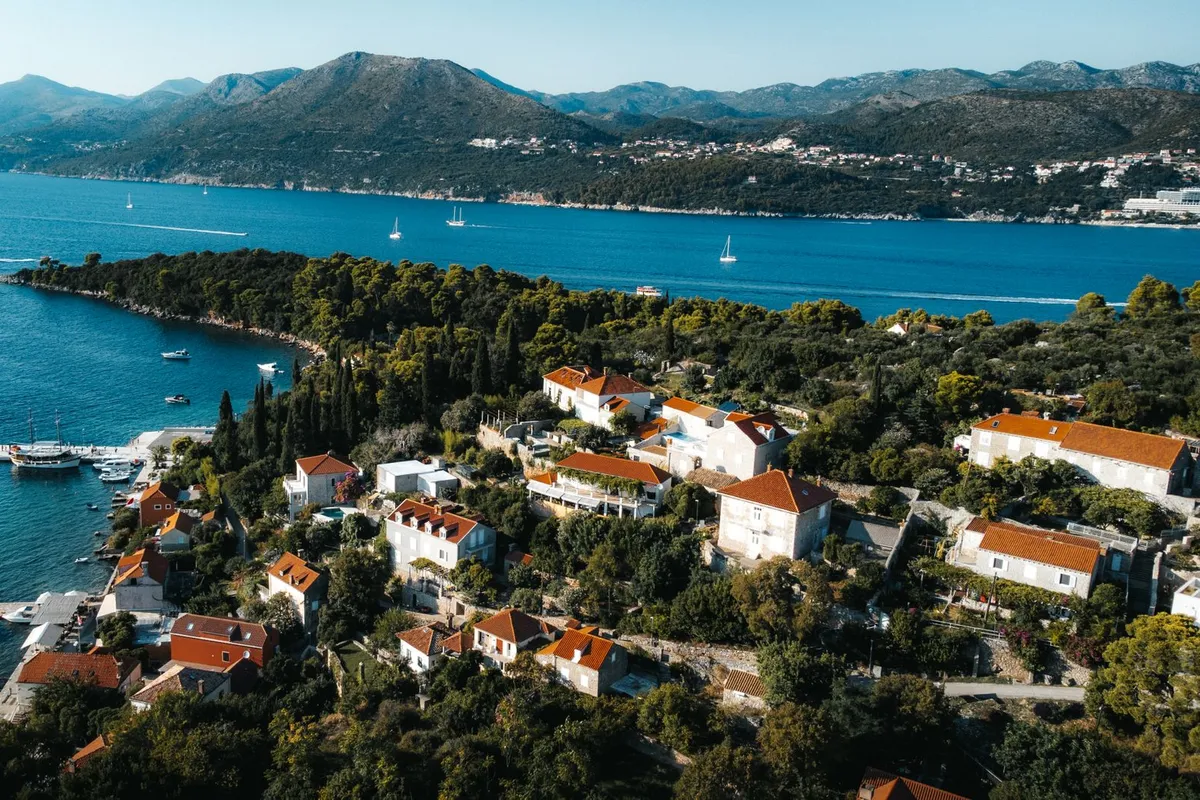
As Croatia grapples with one of the most intense heatwaves in recent years, the eyes of economists and citizens alike are already fixed on autumn. The real test for the domestic economy and living standards does not come in the middle of summer, but after the tourism results are tallied and key questions about energy, agriculture, and food prices come to the fore.
Unlike in previous years, there is no single dominant challenge this time. It is precisely the combination of several simultaneous circumstances that could determine whether autumn passes smoothly or resurfaces the problems that marked the past decade. We will get answers to five key questions as early as September and October.
The first and perhaps most important question concerns the tourist season, which remains one of the main drivers of the Croatian economy. Data on turnover, fiscalization, and spending published in recent weeks paint a mixed picture. Some indicators point to growth in consumption compared with the same period last year, but some private accommodation owners warn that guests are more cautious, booking later, and watching every euro spent more closely.
The final assessment of the season will not be known in the middle of summer, but only after the results for the entire year are tallied. If tourism revenues meet or exceed expectations, the state budget will enter autumn in a more favorable position. Otherwise, discussions about the state of the economy could quickly become one of the main topics.
Equally important is the behavior of domestic consumers. Inflation has changed citizens' habits in recent years, and they now plan their spending much more carefully. The autumn months will show whether they will once again decide to increase spending or whether caution will remain dominant.
The second major challenge could once again be energy. Although the current situation is significantly more stable than during the worst energy crisis in Europe, the start of the heating season usually brings greater uncertainty to the gas and electricity markets. Croatia now has improved infrastructure, especially thanks to the LNG terminal on Krk and a wider range of suppliers, but the domestic market remains tied to European trends, so any significant disruption can affect citizens and the economy.
At the same time, this year's prolonged drought is already leaving its mark on agriculture. Low river levels, lack of rain, and extended heatwaves could reduce yields of certain crops, which could push up prices for some food items in autumn. If adverse weather persists, farmers could face much higher production costs, which are often ultimately passed on to consumers.
Food production remains an extremely delicate area. On top of all this, the threat of new outbreaks of African swine fever persists. Every new detection of the disease brings new restrictions, bans, and additional costs for breeders, as well as uncertainty in the domestic meat market. Although the situation has calmed down in recent months, the danger has not completely disappeared.
Despite numerous difficulties, Croatia is no longer the country it was a few years ago. It has weathered the pandemic, the energy crisis, high inflation, and many economic turbulences. The euro was introduced, the country joined Schengen, new energy facilities were built, the unemployment rate is among the lowest in recent history, and the state budget records significantly higher revenues than before.
Some economists see this as a reason for moderate optimism, pointing out that the Croatian economy has shown an ability to adapt to crises that seemed unimaginable until recently. On the other hand, it is undeniable that the economy still depends heavily on the success of the tourist season, stable energy prices, and weather conditions that directly affect agriculture. In addition, most growth has been driven by European funds, and GDP in recent years has also relied on foreign labor in jobs such as food delivery.
For this reason, several simultaneous adverse factors could pose a major challenge. The first signs will appear as early as September and October, when it will become clear what the season was really like, what energy prices look like ahead of winter, how much damage this year's drought has caused, and how much pressure there will be on food prices. Therefore, autumn 2026 could be much more than a simple transition from summer to winter-it could show how much more resilient Croatia has truly become over the past years.