How to Clean Root Vegetables Without Peeling: The Wire Sponge Trick
Instead of using a knife or peeler, root vegetables like new potatoes, carrots, and beets can be thoroughly cleaned with a wire sponge, preserving more of the edible portion.
Instead of using a knife or peeler, root vegetables like new potatoes, carrots, and beets can be thoroughly cleaned with a wire sponge, preserving more of the edible portion.
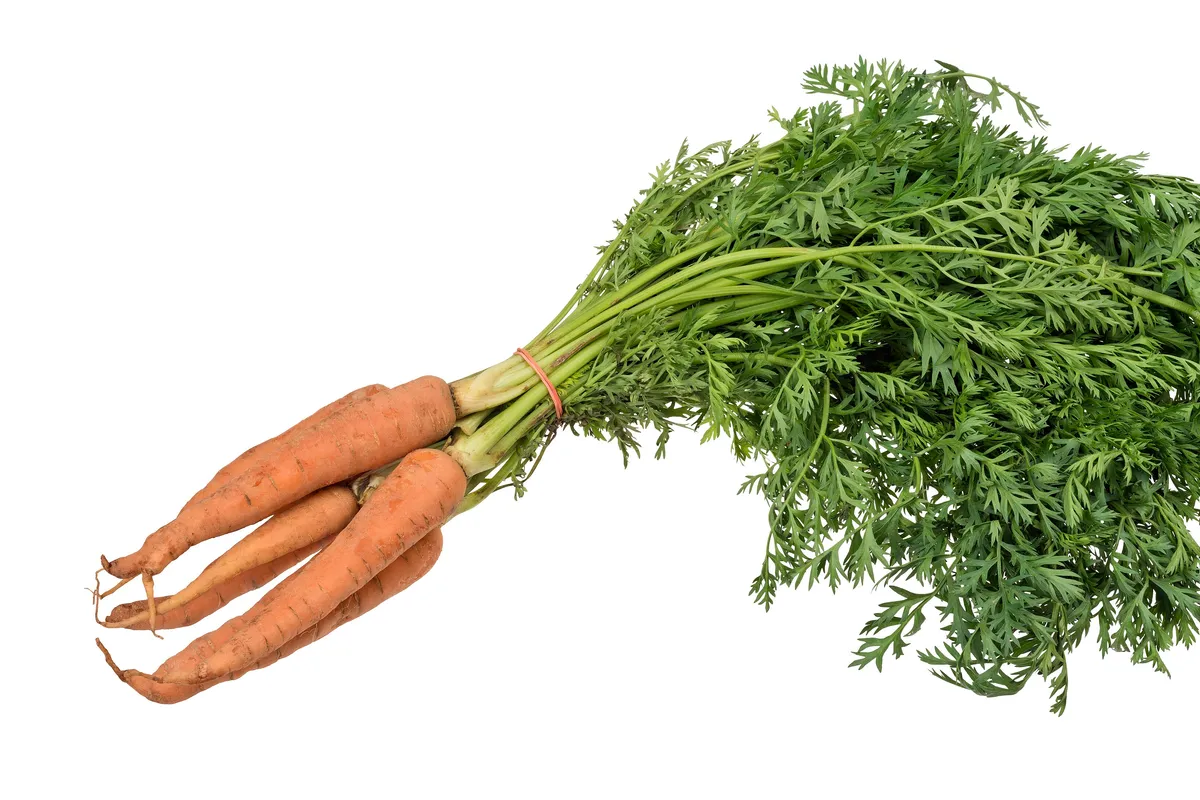
Root vegetables, including new potatoes, carrots, and beets, do not necessarily require peeling before heat treatment. Instead of peeling, it is possible to clean the vegetables thoroughly by scrubbing, which removes dirt and only the thinnest outer layer, while retaining most of the vegetable.
Old household manuals often recommended this very method of preparation. For cleaning root vegetables, instead of a knife or peeler, a wire sponge was used, which is abrasive enough to remove soil and impurities from the surface.
First, rinse the vegetables well under cold running water to remove surface dirt. Then, gently but thoroughly rub the surface with a wire sponge. There is no need to press hard, as the goal is to remove impurities and only a thin layer of the skin.
This method is extremely effective for new potatoes, carrots, beets, turnips, and other root vegetables that grow in the soil. After cleaning, rinse the vegetables thoroughly again before preparation.
An additional advantage of this method is that the thick outer layer is not removed. This not only reduces waste but also retains a larger portion of the vegetable that can be consumed.
A wire sponge is primarily suitable for firm root vegetables with a resistant surface. It is not recommended for delicate fruits and vegetables, as it could damage their exterior.
For foods prepared with the skin on, such as new potatoes, vigorous scrubbing under running water is sufficient. When vegetables are to be peeled according to a recipe, or if the skin is damaged, too tough, or heavily soiled, peeling is the more favorable option.
It is important to use a clean sponge designated exclusively for food cleaning, not one that has already been used for washing dishes. This simple technique can completely replace peeling, reduce waste, and preserve a larger portion of the food.