How to Prevent Costly Engine Failure: Rules for Timing Belt Owners
Automotive expert Roberto Mazzu explains why you shouldn't wait for timing belt failure signs and which rules reduce the risk of severe engine damage.
Automotive expert Roberto Mazzu explains why you shouldn't wait for timing belt failure signs and which rules reduce the risk of severe engine damage.
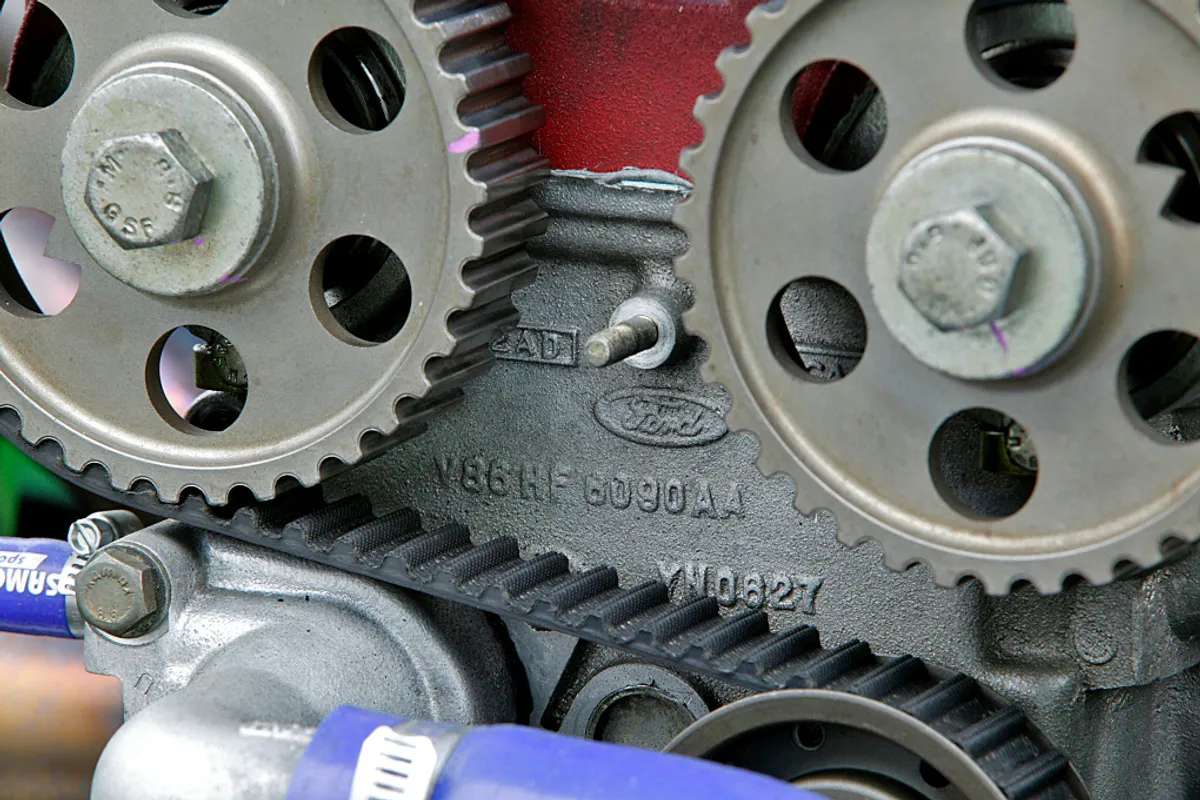
Owners of cars with timing belts often underestimate the risk this seemingly small part carries. Automotive expert Roberto Mazzu told AutoEveryEye about several rules that can help avoid serious engine damage. His message is unequivocal: there are no 'miracle tricks,' and the key lies in timely servicing, monitoring wear, and reacting to signs of trouble before it's too late.
The most important factors are mileage and age. Even if the vehicle doesn't cover high mileage, the timing belt wears out over time. As a conservative approach, Mazzu recommends inspection or replacement at around 60,000 kilometers, but the most crucial thing is to follow the service interval set by the manufacturer of your specific vehicle.
The same applies to the belt's age. Don't assume everything is fine just because there are no visible symptoms. For some cars, manufacturers mandate replacement after a certain number of years, regardless of mileage. Therefore, recommendations from the service booklet and the manufacturer should outweigh general rules.
Pay special attention to leaks of engine oil and other fluids. If oil gets onto a timing belt not designed to operate in oil, it can accelerate material degradation. So, any leakage from seals and gaskets should not be ignored.
For engines with timing belts that run in oil, the situation is different, but even then, it's crucial to use the exact specified engine oil because the wrong specification can harm the belt material.
When it's time to replace the timing belt, it's often advisable to also replace other components of the timing mechanism, such as tensioners and their bearings. On many engines, the coolant pump is also replaced in the same job, especially if it's driven by the timing belt. The reason is clear: a large part of the cost is labor, so it makes little sense to leave an old component that might soon need the same procedure again.
Mazzu also emphasizes the importance of proper engine oil maintenance. The replacement interval should not be determined blindly; it should be based on the manufacturer's instructions, driving style, and oil type.
Regular maintenance is especially important while the car is under factory warranty. The owner must be able to show that all work was done according to the prescribed schedules, using the correct parts and fluids. Although this doesn't mean servicing at an authorized dealership is mandatory, a well-documented maintenance history can be key if you later file a claim with the manufacturer.
The key message is clear: don't wait for the timing belt to show visible signs of failure. It's cheaper to replace it in advance than to face the consequences of a break, which can lead to severe damage to valves, pistons, and the engine.