Kalinić: The 60,000 Tons of Buried Waste Are Known About
In the Felix Contras podcast, Pavle Kalinić warns about the import and burial of waste from other European countries, particularly in Lika, and asks who failed to supervise.
In the Felix Contras podcast, Pavle Kalinić warns about the import and burial of waste from other European countries, particularly in Lika, and asks who failed to supervise.
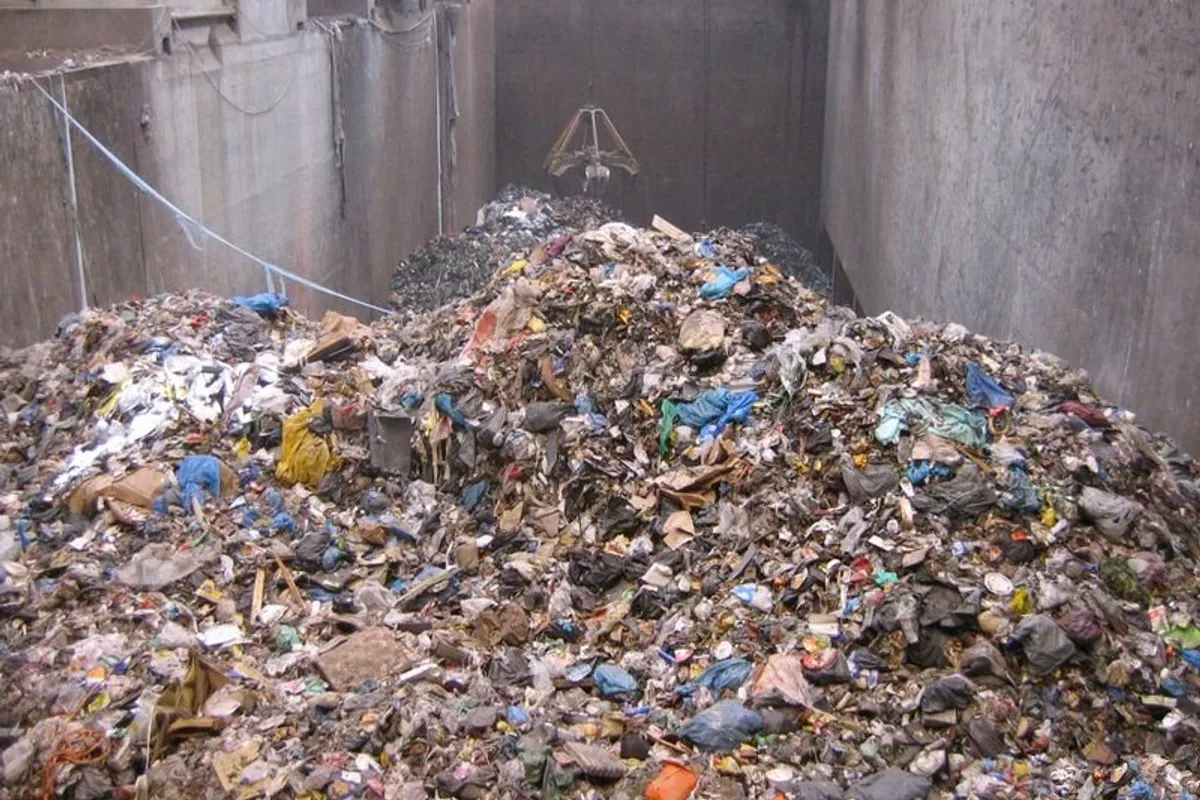
In Croatia, according to data cited by Pavle Kalinić, approximately 60,000 tons of waste buried from other EU countries are known about. In Lika alone, the estimate reaches 37,000 tons. Kalinić discussed this in the Felix Contras podcast, whose new episode was released on August 13, 2026, as reported by Narodno.hr.
For him, the key question is not just where the waste ended up, but how it could have crossed the Croatian border and ended up underground in the first place. As he said, this topic has been neglected for years, and it concerns potential impacts on people, water, and nature.
"We know about around 60,000 tons-how could all of this have entered Croatia?" Kalinić asked on the Felix Contras podcast.
Such business, Kalinić claims, could not have taken place without failures or responsibility on the part of parts of the state system, from customs and inspections to political structures. He particularly highlights the risk of hazardous substances seeping into the soil and waterways. He describes the seriousness of potential consequences with a very strong word, comparing them to bioterrorism.
When waste quantities are measured in tens of thousands of tons, the key question is no longer just identifying who carried out the transport and disposal. Also on the table is determining responsibility for oversight, taking appropriate action, and assessing the real threat to the local population.
In the show, Kalinić also touches on the broader functioning of the state, dismissed ministers, management of the veterans' fund, and the relationship of political authorities to institutions and strategic resources. He advocates for stronger domestic agriculture, revitalization of shipbuilding and the military industry, establishing strategic reserves of food and medicine, and improving air defense.
His main message throughout the conversation remains the same: a state without a long-term plan can hardly defend its territory, resources, and people. And it is precisely in the case of waste that this question is most concrete. What is once buried in Croatian soil does not disappear just because we stop talking about it.