Cardiologist Reveals What Heat Does to Your Heart
Prolonged exposure to high temperatures can lead to a dangerous drop in blood pressure and added strain on the heart, warns Dr. Nieca Goldberg.
Prolonged exposure to high temperatures can lead to a dangerous drop in blood pressure and added strain on the heart, warns Dr. Nieca Goldberg.
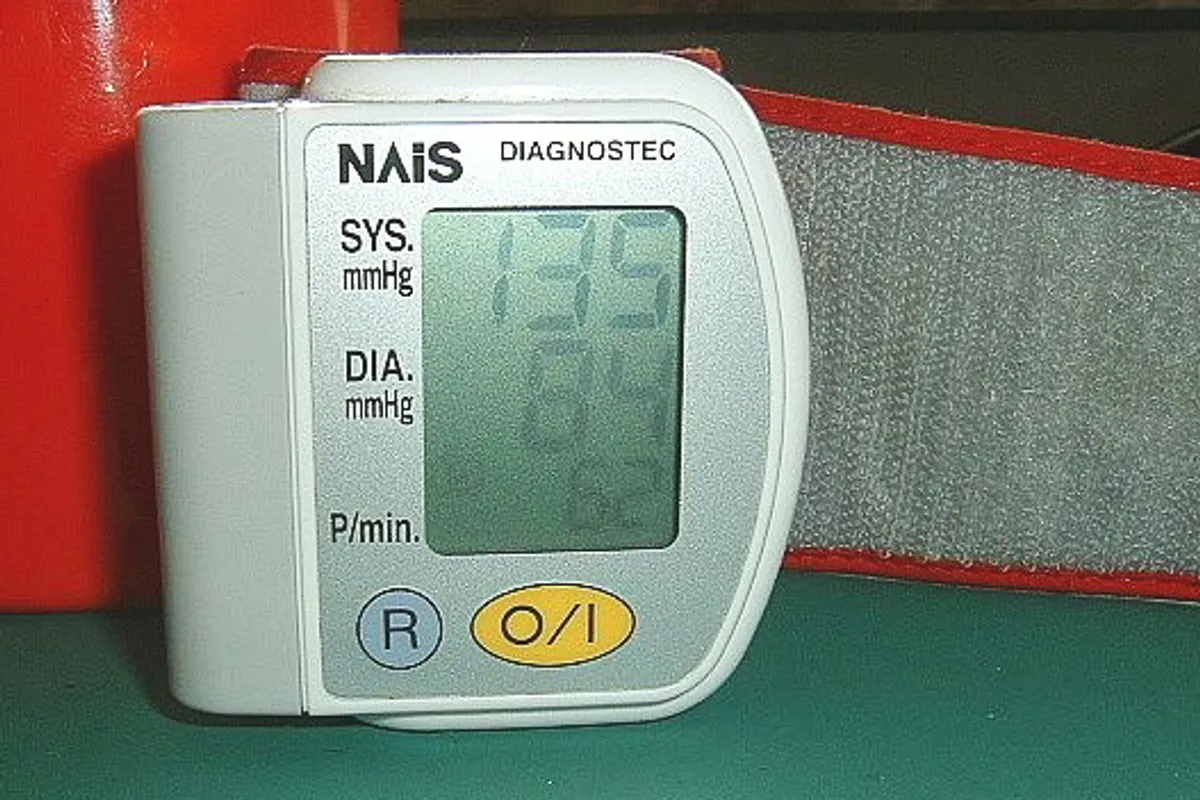
Summer heat doesn't just affect your overall mood and energy levels; it also has a direct impact on your cardiovascular system. Dr. Nieca Goldberg, a cardiologist at NYU Langone Health and founder of the Joan H. Tisch Center for Women's Health at NYU Langone, explained to 24sata how prolonged time outdoors in the heat can cause a drop in blood pressure that is far from harmless.
While many associate a drop in blood pressure with something desirable, especially if they suffer from hypertension, in the context of high temperatures it can be extremely dangerous. The body cools itself by dilating blood vessels, which leads to a drop in pressure, especially when combined with dehydration.
In addition to lowering blood pressure, high temperatures force the heart to work harder to cool the body. This often manifests as a faster heart rate, even during activities that normally require no exertion. An additional problem is the loss of fluids through sweating, which reduces blood volume and makes it harder for the heart to circulate blood efficiently.
"When the body gets too hot, blood vessels dilate to release heat. This can cause a drop in blood pressure, especially if you're dehydrated. While you might think lowering blood pressure is beneficial, when it happens due to heat, it can be dangerous," Dr. Goldberg warned for 24sata.
She added that "fluid loss through sweating can also reduce blood volume, making it harder for the heart to pump blood efficiently."
The impact of heat on the heart can have deadly consequences. A 2024 scientific study published in the journal Circulation Research found a clear link between high temperatures and increased mortality rates from cardiovascular disease. For every degree increase in temperature, mortality rose by 2.1 percent.
Extra caution is advised for people with heart disease, low blood pressure, obesity, diabetes, kidney disease, and the elderly. These groups are the most vulnerable to extreme heat and its effects on the cardiovascular system.
Prevention involves planning outdoor activities during cooler parts of the day, staying well-hydrated, wearing light clothing, and taking regular breaks in the shade or air-conditioned spaces. It's equally important to recognize warning signs: dizziness, lightheadedness, excessive fatigue, palpitations, chest discomfort, shortness of breath, or fainting.
"These symptoms should not be ignored, especially in someone with a history of heart disease. If you experience any of them, stop what you're doing and move to a cool or air-conditioned place. Drink water, and if symptoms don't improve quickly or if you experience chest pain, persistent shortness of breath, confusion, or loss of consciousness, go to the emergency room immediately," the cardiologist advised.
As temperatures continue to rise, doctors remind us that listening to your body and reacting promptly to the first signs of trouble is the best protection against serious complications.