Heat can lower blood pressure and strain the heart, cardiologist warns
Prolonged exposure to high summer temperatures can seriously strain the heart and cardiovascular system, and the risk of death from cardiovascular disease rises with each degree.
Prolonged exposure to high summer temperatures can seriously strain the heart and cardiovascular system, and the risk of death from cardiovascular disease rises with each degree.
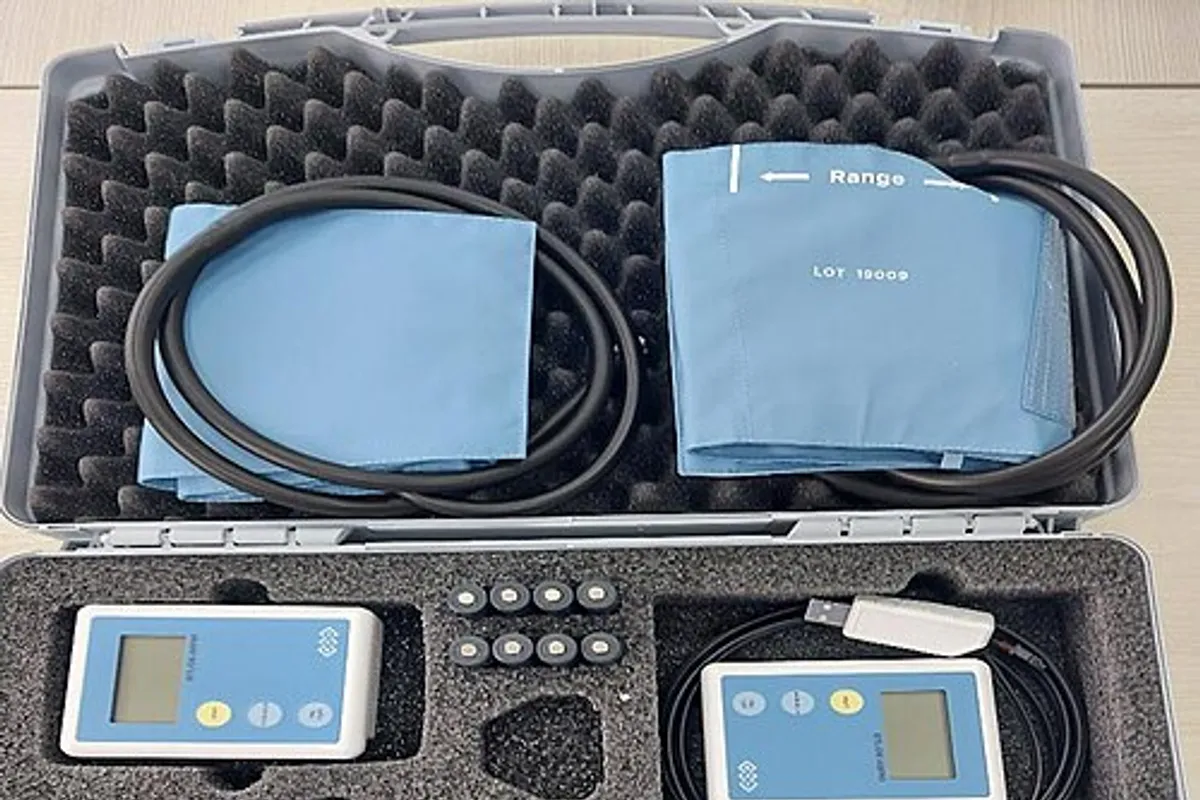
High summer temperatures don't just affect your comfort level-they can seriously strain the heart and cardiovascular system, warns cardiologist Dr. Nieca Goldberg, who is affiliated with NYU Langone Health. Along with diet and physical activity, meteorological factors significantly influence cardiovascular health, and prolonged exposure to high temperatures can lead to a drop in blood pressure and various other health issues.
When the body overheats, blood vessels dilate to release heat more easily, which causes blood pressure to drop. This risk is further amplified by dehydration from increased sweating. The consequences can include dizziness, lightheadedness, and a feeling of unsteadiness, especially when standing up quickly or after prolonged time outdoors.
During extreme heat, the heart works harder to cool the body, so the heart rate increases even with light activity. At the same time, fluid loss reduces blood volume, adding extra strain on the heart. For those with heart conditions, this can cause chest discomfort, shortness of breath, palpitations, or even fainting.
The link between high temperatures and heart disease is also highlighted by a study published in 2024 in the journal Circulation Research. Researchers found that the risk of death from cardiovascular disease increases by 2.1 percent with each one-degree Celsius rise in temperature.
Extra caution during heat waves is advised for people with heart conditions, low blood pressure, diabetes, kidney disease, obesity, and the elderly. Certain medications, such as diuretics and blood pressure medications, also pose an additional risk as they can increase the likelihood of dehydration.
To protect your heart in the summer, Dr. Goldberg recommends outdoor activities in the morning or evening, adequate fluid intake, wearing breathable clothing, taking frequent breaks in the shade or in air-conditioned spaces, and avoiding physical exertion during the hottest part of the day.
If you experience dizziness, a rapid or irregular pulse, chest pain, shortness of breath, or loss of consciousness, immediately seek shade, rehydrate if the person is conscious, and for more severe symptoms, call a doctor right away.