Qatar: The Entire Region Is Working to Stop Escalation
US Treasury Secretary announces a possible deal with Iran within two days, while Qatar, Oman, and Pakistan mediate the exchange of proposals.
US Treasury Secretary announces a possible deal with Iran within two days, while Qatar, Oman, and Pakistan mediate the exchange of proposals.
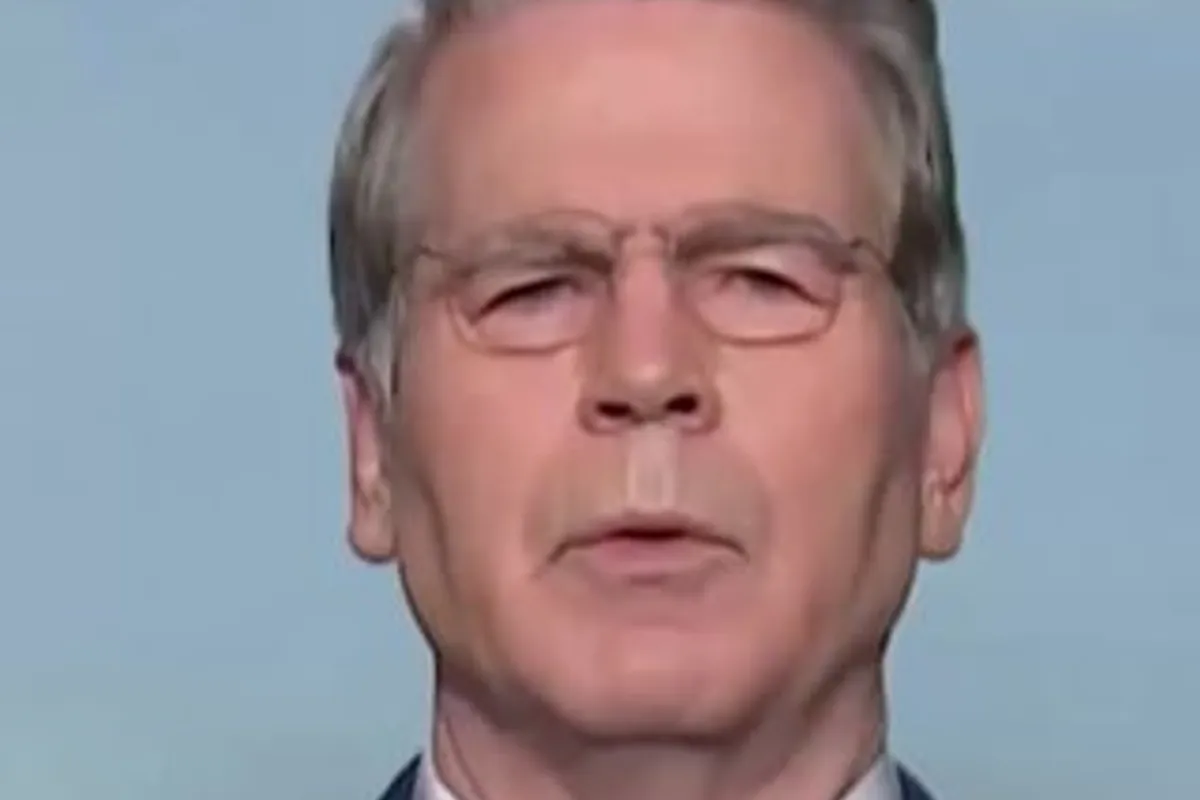
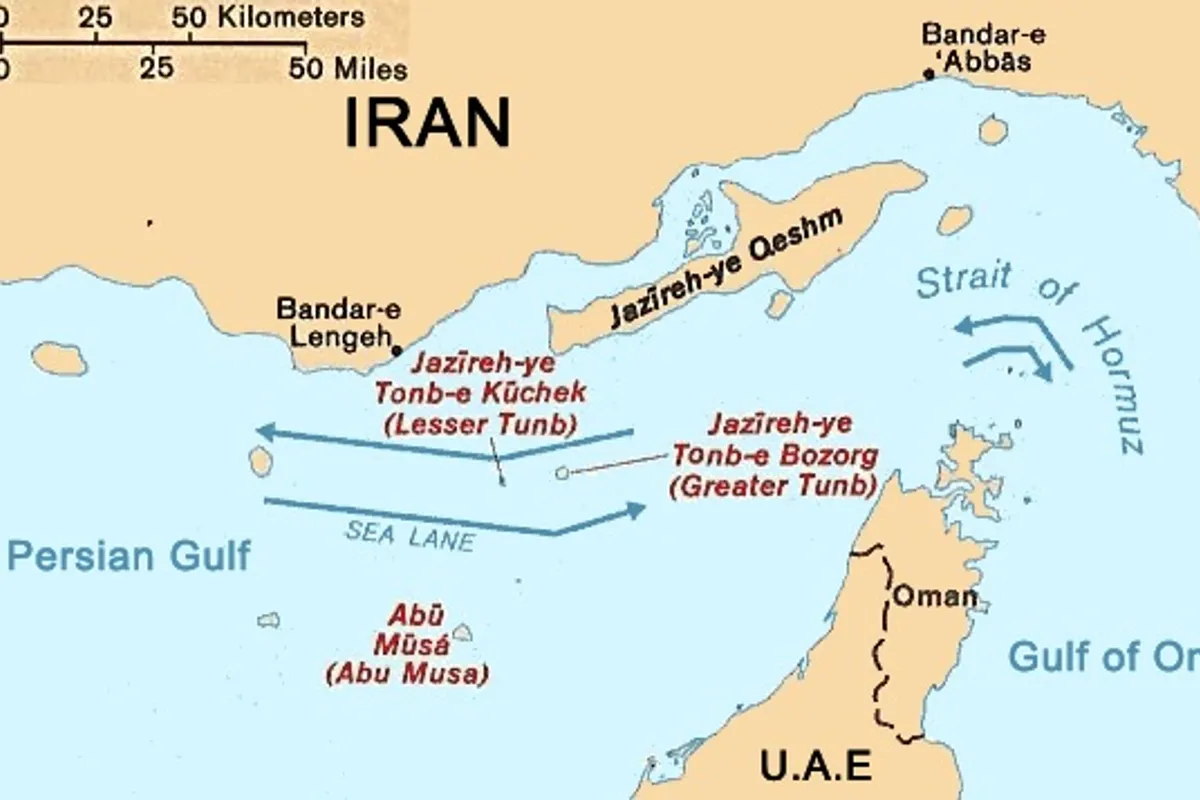
As a potential announcement of a deal to fully reopen the Strait of Hormuz is anticipated, Qatar says diplomatic efforts to reach a short-term solution between the United States and Iran are in an advanced stage. Qatari Foreign Ministry spokesman Dr. Majed Al Ansari said on Tuesday in Doha that the draft text of the agreement is being exchanged between the two parties through regional mediators.
Optimism was further fueled by US Treasury Secretary Scott Bessent, who told CNBC he believes the US could reach a deal with Iran as early as today or tomorrow. "We're in talks with the Iranians, and I think there's a chance that today or tomorrow we reach an agreement on opening the strait and moving toward a more normalized position in this conflict," Bessent said on Tuesday. According to him, the agreement would guarantee freedom of navigation through this vital waterway. Asked whether the deal would allow Iran to charge ships for passage, Bessent briefly replied: "I think it would be freedom of movement."
According to information previously provided by US President Donald Trump, the first phase of the agreement would immediately reopen the Strait of Hormuz, while the second phase would address Iran's nuclear program. Trump described the diplomatic pressure as Iran's "last chance" to sign a deal before further military action.
Al Ansari, however, brought a dose of reality to the conflicting claims coming from Washington and Tehran. Iran denies negotiating with the United States, but Tehran confirms it is holding talks with Oman about navigation through the Strait of Hormuz. The Qatari official confirmed that no direct talks between the US and Iran are scheduled, but that mediators are continuously conveying ideas and proposals between the parties. "Our focus right now is avoiding escalation, reopening the strait, and reopening the door to diplomacy between the parties," Al Ansari emphasized.
In addition to Qatar, Pakistan and Oman are also involved in mediation efforts, with Oman taking on a more prominent role in the past two weeks. "Mediators, Qatar, Pakistan, and now Oman, are all working together on this issue," Al Ansari said, adding that Doha is closely coordinating with Muscat to facilitate the talks. While he declined to comment on the existence of a specific draft agreement, he confirmed that "the language of a possible agreement has been drafted and is circulating between the parties."
The negotiations are gaining urgency amid ongoing tensions. On Tuesday, an unknown projectile struck a cargo ship near Oman, close to the Strait of Hormuz, a key flashpoint in the US-Iran conflict, further underscoring the need for an urgent solution. Despite the incident, Bessent was optimistic about the impact of a potential deal on energy prices. "Even though things are still a bit risky there in the last few days, we've seen quite a few ships coming out now," he said, adding that he expects energy prices to settle, which would be "good for the whole world."
Qatar's focus is on restoring freedom of navigation and preventing the strait from being used as political leverage. "We cannot accept any change to the status quo there," Al Ansari stated, emphasizing that the strait "must never again be used as a tool of political or diplomatic blackmail, or as leverage against any regional or international players."
Separate from the Hormuz negotiations, Al Ansari called on the international community to pressure Israel to implement the Gaza roadmap, stressing that Hamas and the Palestinian side have adhered to everything agreed upon. "We call on the international community to exert real pressure on Israel to implement the plan," he said, adding that Israel should withdraw from all occupied territories in accordance with international law. "This occupation cannot be justified by any current or past security situation," the Qatari official concluded, alluding to more than two years of bombardment and humanitarian suffering in Gaza.