Coffee Could Rise in Price by 332 Percent
The European Commission's scientific service warns of a drastic increase in import prices, and producers outside the EU are already announcing trade disputes.
The European Commission's scientific service warns of a drastic increase in import prices, and producers outside the EU are already announcing trade disputes.
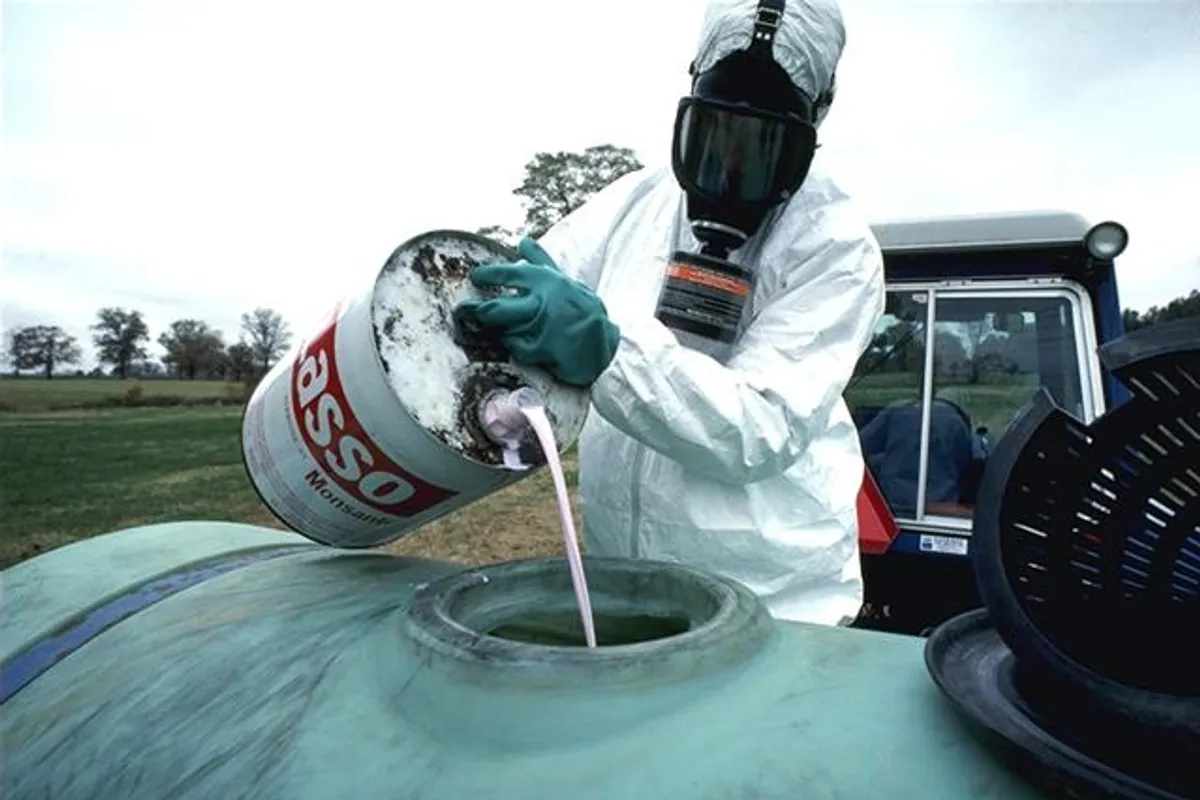
In the worst-case scenario, coffee could become more expensive by as much as 332 percent, and citrus fruits by 82 percent. This is shown by projections from the Joint Research Centre (JRC), the European Commission's scientific service, published as part of a plan for significantly stricter regulation of maximum permitted levels of pesticides in imported agricultural products.
The European Union, in fact, intends to limit residues of certain pesticides-those already banned in the EU for health and environmental reasons-to almost technical zero. The JRC analysis warns that the biggest adjustments would be needed precisely in imports, where prices could surge if producers outside the Union do not align with the new rules.
Estimates suggest that total EU agricultural imports could fall by approximately 41 percent. This would directly impact livestock farmers through higher feed costs. Even in more moderate scenarios, where producers in third countries partially adapt, reduced imports and higher prices for consumers are inevitable.
The plan is part of a broader package through which Brussels aims to simplify food and feed safety rules. The study found that 18 active ingredients could potentially be restricted, affecting more than 235 agricultural items originating from 86 countries.
European farmers welcome the measures. They believe they ensure a more level playing field in the market and protect them from inferior competition.
Farmers outside the Union, however, warn of the opposite effect. They argue that such measures are actually trade barriers because they do not take into account different climatic conditions, pests, and cultivation specifics in tropical and other regions.
The organization representing Moroccan berry growers points out that this could jeopardize approximately 250,000 jobs in their sector. Similar concerns and criticisms are voiced by fruit producers from South Africa, grain growers in Canada, melon producers in Honduras, and almond growers in California.
The European Commission, on the other hand, emphasizes that its main goal is to protect consumer health and prevent dangerous substances from re-entering the Union's market.
The move already hints at a potential international trade conflict. Australia, Canada, Paraguay, and the United States have already challenged the announced measure before the World Trade Organization (WTO), arguing that existing international standards already ensure adequate safety for consumers without the need to disrupt global trade in goods.
Within the EU itself, there is strong support for so-called mirror clauses, with France being one of the most vocal advocates. That country has already made decisions in the first part of the year to ban imports of certain types of potatoes and avocados containing traces of disputed substances.
The European Commission will make final decisions on bans of individual substances on a case-by-case basis, with detailed assessments of economic impact. If the regulations are fully implemented, products such as morning coffee, fruit, and avocados could become significantly more expensive for everyday consumption.