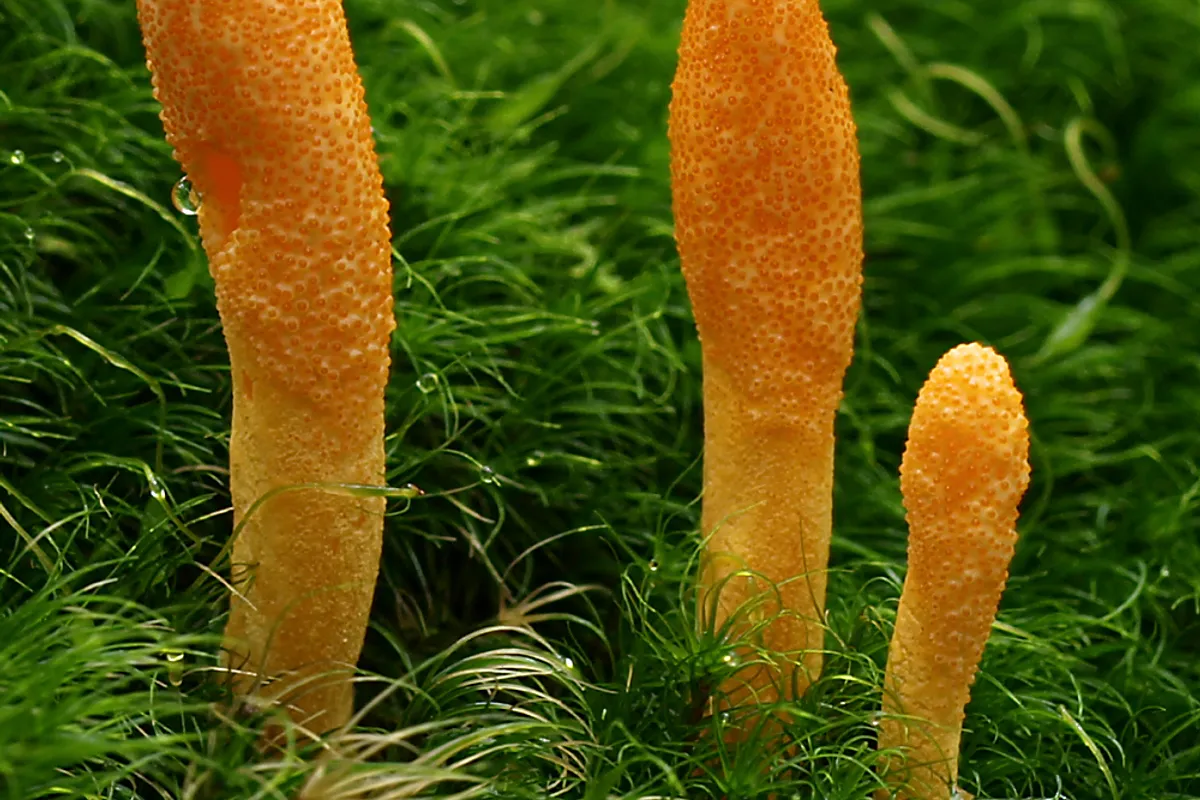
Chinese scientists, led by a research team from the Shenzhen Institutes of Advanced Technology, have succeeded in creating a new generation of "living textile" using the fungus Cordyceps militaris, also known as caterpillar fungus. According to a South China Morning Post report, a study published on Friday, July 24, 2026, reveals that these innovative materials can self-clean, regenerate, and completely degrade in the environment within just 41 days.
The main challenge in developing engineered living materials (ELMs) has been how to transform microscopic living cells into large, durable structures that remain alive and functional. The Shenzhen team attempted to solve this problem by using the fungus Cordyceps militaris, which is often used in traditional Chinese medicine and produces thread-like structures suitable for weaving textiles.
Self-cleaning and adaptable material
In addition to self-cleaning and regeneration capabilities, the "living textile" can be further customized. According to the same source, with the help of other microorganisms, it is possible to add color or even protect the wearer from ultraviolet (UV) radiation. This opens up possibilities for producing clothing with advanced functionalities without the use of chemical treatments.
Biodegradability and circular fashion
Environmental impact assessments conducted as part of the study confirmed that the material degrades within 41 days. This exceptional biodegradability makes it a promising candidate for circular fashion-a concept where clothing is designed to be reused or recycled, thereby reducing textile waste.
Although this research comes from China and has no direct connection to the Croatian scientific scene, global trends in sustainable fashion are increasingly attracting attention in Croatia as well, where interest in eco-friendly materials and innovations in the textile industry is growing.