Colombia: Three Days of Mourning After Earthquake Claims Over 200 Lives
Rescuers race against time to find survivors under the rubble as new President Abelardo de la Espriella faces the first major crisis of his term.
Rescuers race against time to find survivors under the rubble as new President Abelardo de la Espriella faces the first major crisis of his term.
Colombia declared three days of national mourning on Wednesday, August 12, 2026, after a powerful 7.4-magnitude earthquake struck the western part of the country on Monday, killing more than 200 people. Flags on government buildings and at Colombian embassies worldwide were lowered to half-staff "in honor of all the dead," the government announced, as reported by Al Jazeera.
A decree from the Colombian presidency states that "the national government, on behalf of the Colombian people, expresses deep sorrow for the deaths of those who lost their lives in the earthquake that occurred on August 10, 2026, on national territory and stands in solidarity with the grief of the families and friends of these individuals," as reported by El Tiempo.
The earthquake that struck Colombia on Monday at 7:34 a.m. local time (12:34 GMT), with its epicenter in San José del Palmar in the Chocó department, is the strongest the country has experienced this century. By Tuesday afternoon, more than 100 aftershocks had been recorded, according to Al Jazeera.
Casualty figures vary among sources. A government report from August 11 lists 181 dead, 2,595 injured, and 195 missing, while Al Jazeera reports more than 200 dead. The Asociación Colombiana de Ciudades Capitales reports 188 dead and 2,774 injured. Civil databases suggest the number of missing could be closer to 4,000, significantly higher than the official figure of 195.
The hardest-hit cities are Cali, Pereira, Manizales, and Quibdó. In Cali, entire neighborhoods have been leveled, and part of the Hospital Universitario del Valle has collapsed, forcing doctors to move patients to the parking lot and treat them outdoors. According to data from the Asociación Colombiana de Ciudades Capitales, 95 people died in Cali, 79 in Pereira, nine in Quibdó, and five in Manizales. The government report also lists 1,136 destroyed homes, 48 collapsed buildings, 8,357 damaged homes, 807 damaged educational centers, 85 damaged health centers, 74 damaged roads, 377 damaged community centers, 16 damaged water systems, and one airport with a damaged runway.
Among the victims are Violeta Guerrero, a ten-year-old girl, and her grandmother Amparo Jaramillo. Their relatives posted on social media on Wednesday: "with completely broken hearts, we want to tell you that our relatives were found lifeless," as reported by El Mundo. The girl was on vacation at her grandmother's house when the earthquake struck the Conjunto Residencial Guadalupe building in southern Cali, which completely collapsed.
The death of Darío Patiño Rivera, father of renowned Colombian journalist José Fernando Patiño, has also been confirmed. His body was found in the Torres del Limonar building in the Capri neighborhood, one of the sites with the highest number of casualties. At the same time, from the same residential complex came a hopeful story: Dr. Diana Troncoso, a 31-year-old physician, was rescued alive from the rubble. Al Jazeera also reports on a woman who was pulled out alive after 36 hours under the debris.
Among the missing in Pereira are Fabián Díaz Chica (59), Mario Alberto Zapata (57), Brenda Gloria Flores (42), Gustavo Salazar Cardona, Cinthia Ortega, Angela María Guacheta, Neidy Ester Correa Díaz, Germán William Henao Osorio (57), Daniela Díaz (29), Iris Cardona (34), Dahi Riusria Yusdaivid (20), Erika Gómez and Sofía Todo Gómez, Ofelia Franco, and Ana Victoria Mejía, as reported by El Tiempo.
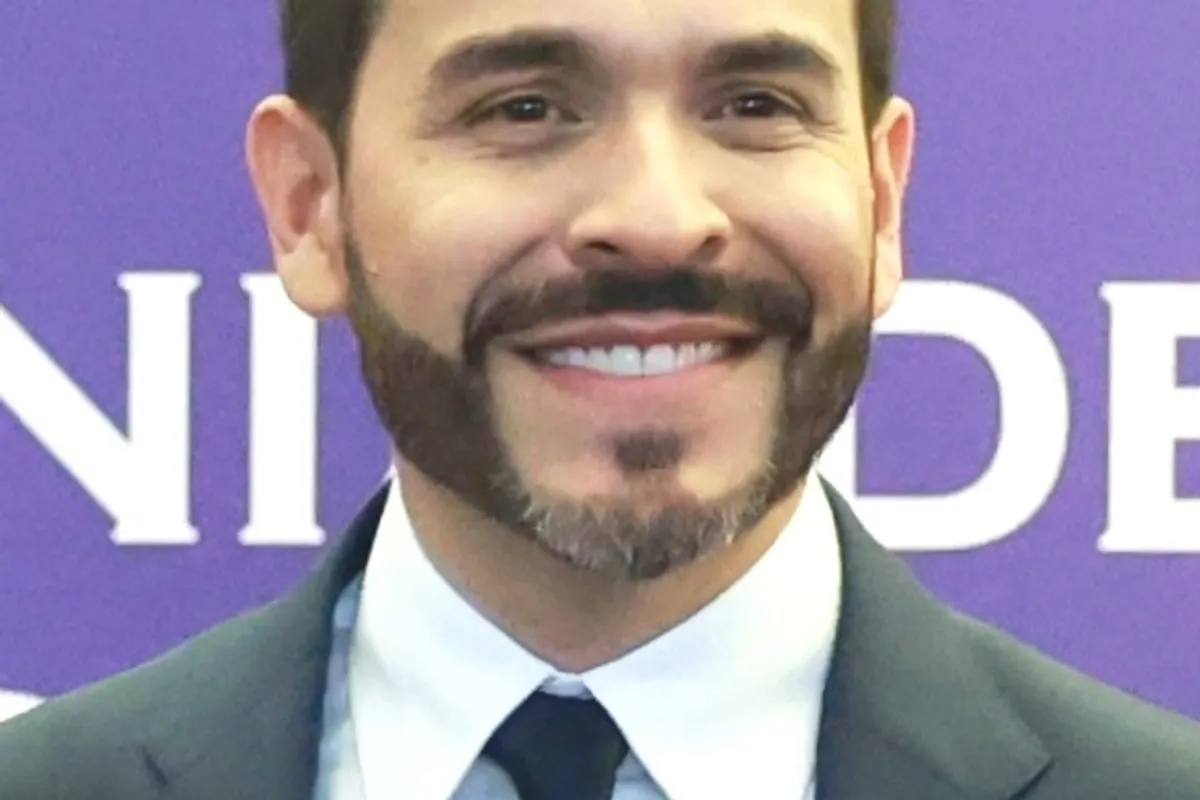
The earthquake is a tough test for President Abelardo de la Espriella, who took office just days before the disaster. Sources differ on the exact length of his tenure: El Tiempo states he has been in office for five days, while Al Jazeera reports three days.
Andrés Espinosa Fenwarth, a columnist for the economic daily Portafolio, warns of financial challenges: "Now, more than ever, he needs, in addition to national and international solidarity, the funds and expertise of UNGRD (Colombia's disaster risk management unit). The paradox is that the previous administration used that institution as the government's main slush fund for corruption. They looted it until the last day, without any moral or legal restraint."
The international community mobilized quickly. The United States announced $15.5 million in emergency aid and is sending urban search and rescue teams from Fairfax County, Virginia, and Los Angeles County, California. The European Union pledged $2.3 million, Mexico is sending hundreds of rescue workers and health personnel, including the prestigious Mexican "Topos" specialized in earthquake rescue, and El Salvador is sending two planes with 100 tons of aid.
Meanwhile, rescuers continue their race against time. Aid agencies warn that the first 48 to 72 hours are the most critical period for finding survivors under collapsed buildings, although people can survive longer if they have access to water and food. In the Limonar neighborhood in southern Cali, searches continue, with volunteers and firefighters digging with their bare hands, pausing occasionally to listen for signs of life.