Cleanup of Illegal Plastic Dump Near Benkovac Gets Underway
The Ministry of Environment has included the former quarry in the Waste Management Plan, paving the way for the removal of approximately 11,000 cubic meters of buried plastic.
The Ministry of Environment has included the former quarry in the Waste Management Plan, paving the way for the removal of approximately 11,000 cubic meters of buried plastic.
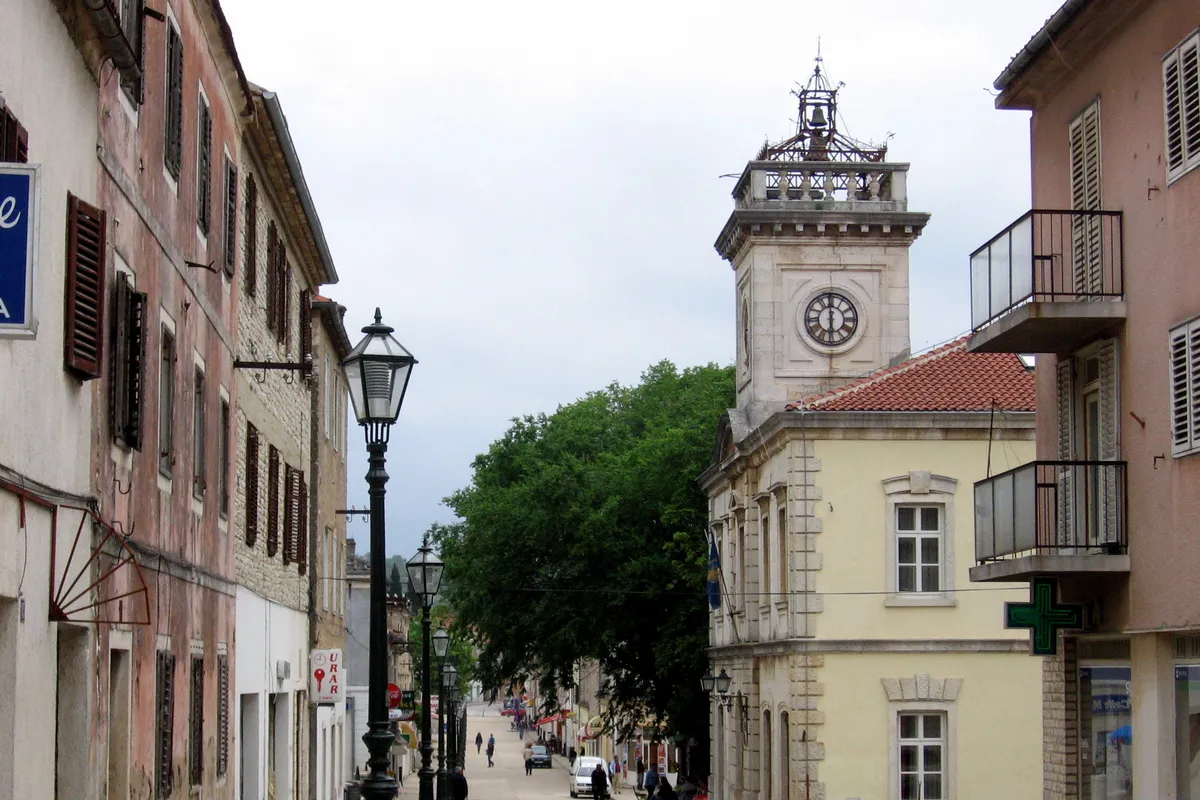
The Ministry of Environment and Green Transition confirmed on Thursday, August 13, 2026, that the area of the former quarry near Benkovac has been formally included in the amendments to the Republic of Croatia's Waste Management Plan for the period from 2023 to 2028. This move has established the legal basis for initiating the remediation of the site where, according to investigators, approximately 11,000 cubic meters of ground plastic were illegally buried.
Responding to an inquiry from Hina, the Ministry stated that the location in Benkovac has been included in the aforementioned Plan amendments, thereby fulfilling the prerequisite for action in accordance with the Waste Management Act concerning the remediation of contaminated areas.
The Environmental Protection and Energy Efficiency Fund is responsible for carrying out the remediation of such sites, with particular attention paid to protecting the state's property and legal interests, including the possibility of recovering invested funds and securing claims through liens. The Ministry notes that the exact scope of necessary works and associated costs can only be determined once all required procedures are completed and relevant facts are established.
USKOK investigators discovered one of the largest illegal dumps in the country just one and a half kilometers from the center of Benkovac. As reported by N1, the same actors suspected in a comparable illegal waste disposal case in Gospić are linked to this case.
The Ministry emphasizes that it does not conduct site inspections or determine criminal or misdemeanor liability of individuals. Determining the type of waste, its origin, handling methods, and potentially responsible persons falls under the jurisdiction of other bodies, and the Ministry cannot prejudge the outcomes of these procedures at this time.
Furthermore, the Ministry has not independently conducted research or sampling of the terrain at the Benkovac site. The factual state, including the potential impact on soil, surface and groundwater, and other environmental components, is being established by competent authorities through appropriate expert procedures. The Ministry currently does not have the results of analyses and therefore cannot provide a risk assessment without proper expert findings.
Additionally, they do not have data that would reliably determine how long the waste has been present at the site, which is still being clarified through the procedures of competent authorities and the collection of relevant evidence.
The cases in Gospić and Benkovac, as stated by the Ministry, demonstrate the importance of further strengthening the control of waste flows, traceability, and oversight of waste management activities. Amendments to the Waste Management Act are currently in the final phase of inter-sectoral coordination and envisage stricter conditions for conducting waste management activities, additional oversight mechanisms, and strengthening the waste traceability system.
The goal is to reduce the scope for illegal practices and ensure greater accountability of all participants in the system, the Ministry highlighted, adding that in cooperation with competent authorities, they are working on identifying waste-contaminated sites and creating the prerequisites for their remediation.