Critical Minerals Become the New Weapon in US-China Rivalry
The fight for lithium, rare earths, and cobalt is shaping global geopolitics, with dependence on China pushing the West to seek new sources-from Ukraine to Greenland.
The fight for lithium, rare earths, and cobalt is shaping global geopolitics, with dependence on China pushing the West to seek new sources-from Ukraine to Greenland.
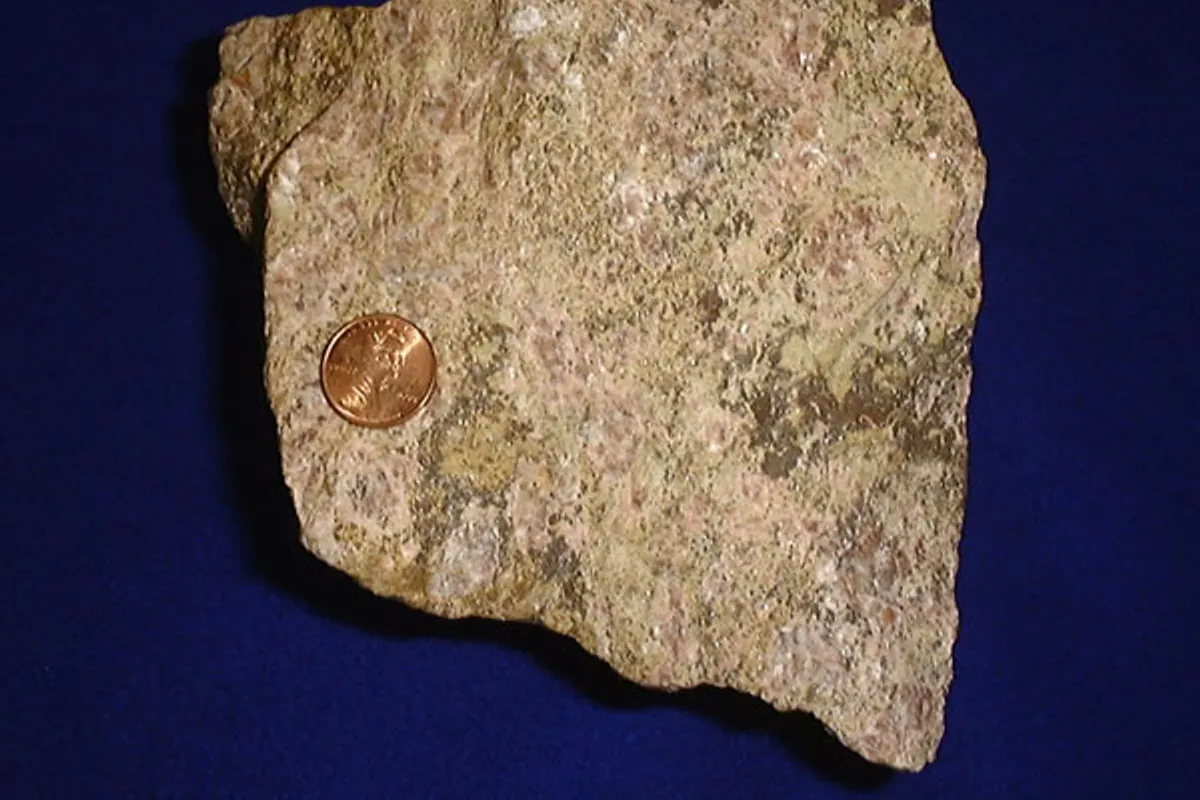
In the 21st century, the struggle for natural resources is turning into a new kind of covert warfare. States are no longer competing only for territory or military influence, but increasingly for access to minerals, metals, and energy resources that are vital for digital technologies, military production, and global supply chains. Whoever controls strategic mineral resources controls the future.
China currently dominates the global rare earth industry, controlling a significant share of the world's processing capacity. The European Union covers as much as 40% of its rare earth needs from China, while other major suppliers include Australia, South Africa, Canada, and Brazil. This dependence has become a strategic concern for Western countries, especially the United States.
Control over mineral production and supply is one of China's main leverage points in the trade war with the United States. In December 2024, in response to American sanctions on Chinese semiconductors, Beijing banned or significantly restricted exports of antimony, gallium, germanium, and graphite to the US. These four elements are not classified as rare earths, but Washington includes them on its list of "critical minerals."
Perhaps no episode better illustrates the intersection of minerals and geopolitics than the proposal by President Trump's administration to exchange continued American financial and military support for Ukraine for access to its mineral wealth. Ukraine possesses significant mineral potential: 21 of the 30 materials classified by the European Union as "critical raw materials" are found there, representing about 5% of global reserves. Many deposits are located in the south of the Ukrainian Crystalline Shield, including areas near the Sea of Azov, but much of that territory is currently under occupation.
Greenland, the world's largest island and an autonomous territory of the Kingdom of Denmark, has also drawn Trump's attention due to its vast mineral wealth. The island holds deposits of 39 of the 50 minerals deemed critical by the US government. Beneath the melting ice lie rare earth elements such as neodymium, praseodymium, and dysprosium, as well as critical minerals including lithium, nickel, cobalt, zinc, and copper, alongside potential reserves of oil, natural gas, and gold.
Lithium, which the author of the Azernews article calls the "new oil," has become one of the most important strategic minerals. While oil was the fuel for automobiles and the main resource of the 20th-century industrial era, lithium is the foundation of electric vehicles and a key resource for the digital and green economy. The main lithium reserves are located in South America and Australia, but processing and battery technology production are largely tied to Asian countries.
The Democratic Republic of Congo has become a symbol of what some critics describe as "green colonialism." The country holds about 70% of the world's known cobalt reserves and supplies minerals for electric vehicles, wind turbines, and lithium-ion batteries. Despite its immense natural wealth, Congo remains one of the poorest countries in the world.
The competition for resources directly fuels armed violence. In parts of Africa, armed groups fight for control over mines and transport routes. Civil wars in Liberia, Sierra Leone, Angola, the Democratic Republic of Congo, and Cambodia broke out primarily over control of diamond, gold, and other natural resource deposits. In Côte d'Ivoire, the civil war began in 2002 after a soldier uprising and was financed by profits from diamond and cocoa sales.
Countries with raw mineral wealth are increasingly refusing to simply export it. In 2020, Indonesia banned the export of nickel ore to force international companies to build domestic smelting capacity. Zimbabwe similarly restricted chrome exports to encourage local processing.
The extraction of rare metals is almost always associated with severe environmental damage. The world's largest deposit, Bayan Obo in Inner Mongolia, is one of the most polluted places on the planet, where water, air, and soil are completely contaminated with heavy metals, acids, and radioactive isotopes.
The Stockholm International Peace Research Institute (SIPRI) warns in its analysis that the risk of interstate war directly triggered by competition for minerals should not be exaggerated. The institute notes that minerals are more likely to become entangled in broader geopolitical rivalries rather than being their primary cause.
The growing competition for mineral resources could become one of the greatest challenges of the 21st century. If states continue to vie for control over critical minerals, it could lead to heightened geopolitical tensions, economic instability, and even new conflicts. The real challenge for world leaders will be finding a balance between technological progress and access to these valuable materials.