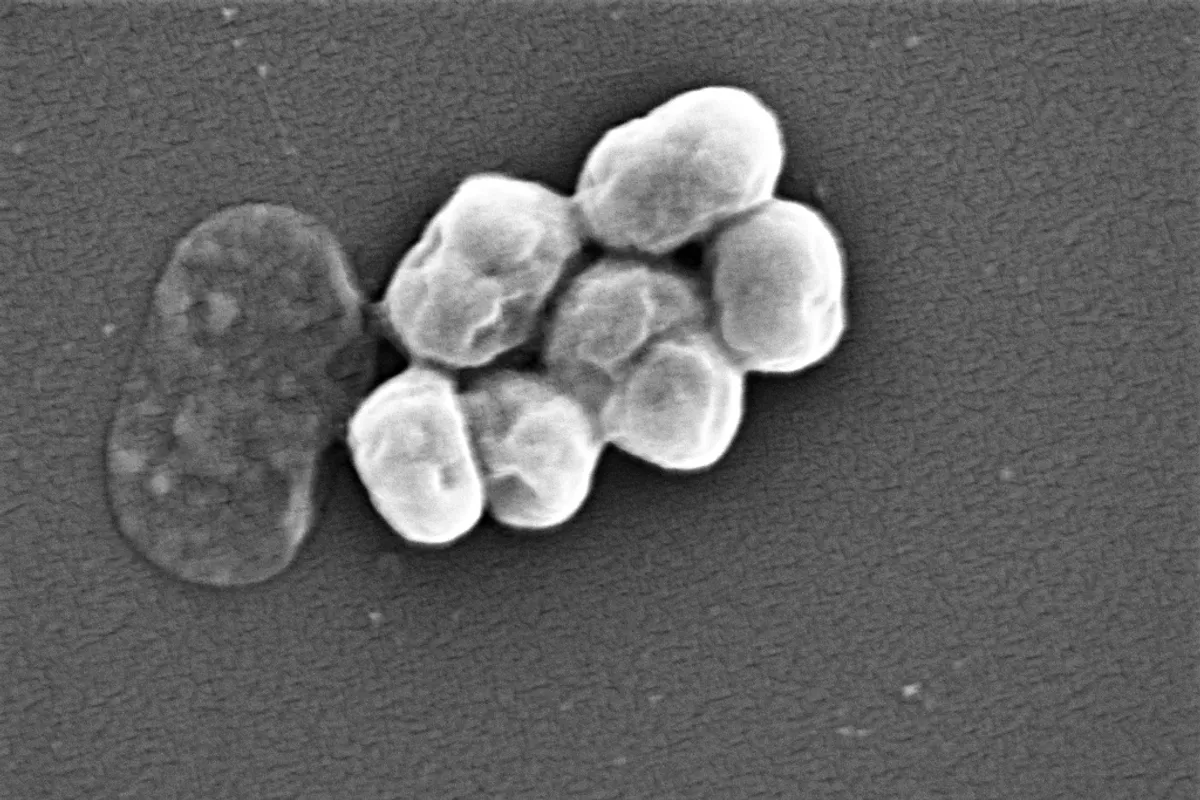
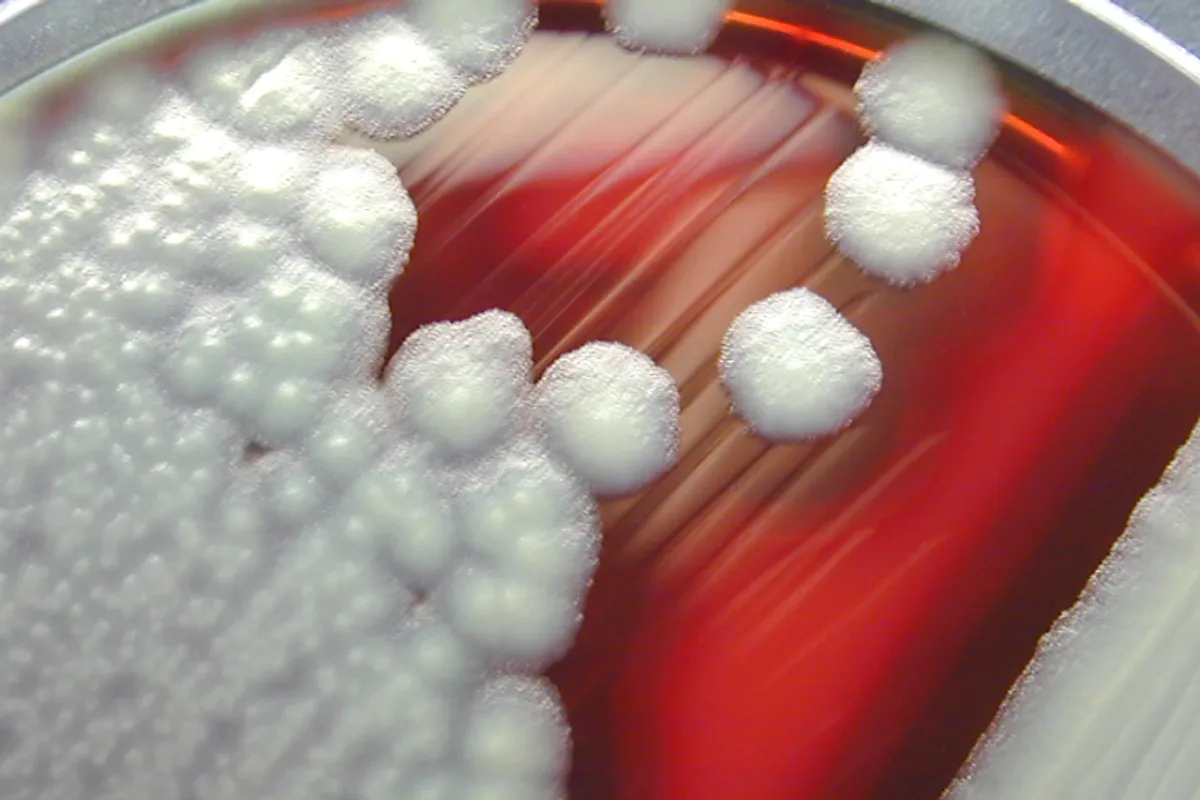
Researchers from several Chinese universities have found that household pets, especially cats, dogs, and horses, carry strains of the bacterium Acinetobacter baumannii that are genetically nearly identical to those infecting humans in hospitals, while livestock and wild animals pose a significantly lower risk. The results were published in the journal Applied and Environmental Microbiology and reported by Science Alert.
Bacterium Classified in the Highest Priority Group
Acinetobacter baumannii is a pathogen that the World Health Organization (WHO) has classified in the "Priority 1" group, meaning bacteria that pose the most urgent threat to public health due to antibiotic resistance. It is known for its rapid spread in intensive care units and resistance even to last-line antibiotics, known as carbapenems. Its zoonotic potential, i.e., the possibility of transmission between animals and humans, is increasingly recognized.
Analysis of 509 Samples from 17 Countries
The research was initiated after a Chinese veterinary laboratory in 2022 discovered this very bacterium in the brain tissue of dead chicken and duck embryos. Researchers then analyzed genetic data from 509 samples of the bacterium collected from animals in 17 countries, covering 33 animal species, from white storks in Poland to cats, dogs, and horses in European veterinary clinics. They compared this data with thousands of clinical samples from humans in the same regions.
Two Distinct Groups with Different Risks
The analysis showed a clear division. According to the research team led by Xiangkuan Zheng, published in the journal Applied and Environmental Microbiology:
"The A. baumannii bacterium isolated from animals can be divided into two groups. The first is a group with high antimicrobial resistance, dominated by horses, cats, and dogs as hosts. The second is a low-resistance group, where the dominant hosts are livestock, poultry, and wild animals."
Strains isolated from cats, dogs, and horses were genetically almost identical to strains infecting humans in nearby hospitals, with a similarity of
more than 99 percent, and in some cases above 99.5 percent. Strains found in livestock, poultry, and wild animals were genetically more distant, with a similarity of 97 to 98 percent compared to human strains.
Resistance Genes to Last-Resort Antibiotics
Particularly concerning is that genes for resistance to carbapenems were found in samples taken from cats and dogs, antibiotics that doctors resort to only when all other therapies fail. The use of carbapenems in livestock farming is completely banned, and these same resistance genes were not found in any sample from livestock, poultry, or wild animals. Researchers also identified the so-called international clone ST25, which consistently appears in household pets and is the same clone that causes hospital outbreaks. According to the researchers, the increased potential for transmission "could be linked to close contact between pets and humans."
What Does This Mean for Pet Owners?
It is important to emphasize that these results do not mean that your dog or cat has transmitted a hospital infection to someone, nor that it necessarily will happen. There is no direct evidence of bacterial transmission from a specific household pet to a specific person. This is a genetic trace indicating that the possibility of transmission exists, but not confirmed cases of infection. Last year, the American Society for Microbiology (ASM) also published a paper highlighting the need to collect more species-specific samples to better understand the situation.
Recommendations and Next Steps
Experts recommend the following precautions, especially for owners with weakened immune systems or those recently hospitalized:
- Regular hand washing after contact with household pets, especially sick animals
- Extra caution after visits to veterinary clinics
- Responsible use of antibiotics in veterinary medicine
- Regular veterinary check-ups for pets
The next step in the research will be sampling animal paws, fur, and hooves, as well as samples from people in their immediate vicinity, to accurately determine how often and easily this pathogen transmits between species. Consult your general practitioner if you have specific questions about the risks to your health in the context of household pets.