Lithuania Builds New Defense Line Along Borders with Russia and Belarus
The government in Vilnius has approved a €50 million plan to establish anti-mobilization zones and parks, with work expected to be completed by the end of 2030.
The government in Vilnius has approved a €50 million plan to establish anti-mobilization zones and parks, with work expected to be completed by the end of 2030.
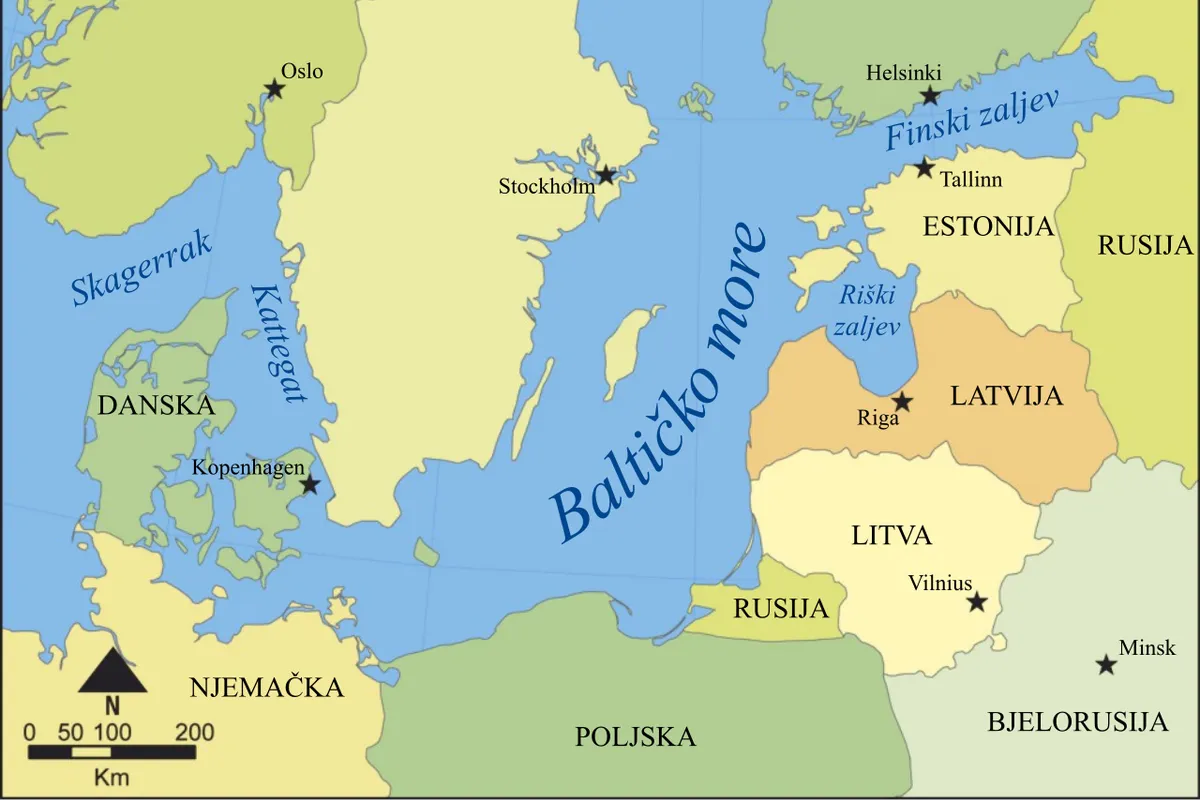
The Lithuanian government on Wednesday, August 12, 2026, approved amendments to the plan for the construction of defensive engineering fortifications along the borders with Belarus and Russia's Kaliningrad Oblast. The project, prepared by the Lithuanian Ministry of National Defense, envisions the establishment of a completely new defense belt and the expansion of existing measures to impede the movement of a potential adversary.
Fifty million euros have been allocated for the implementation of this ambitious plan. As Deputy Minister of National Defense Tomas Mikelkevičius explained, the goal is to make the most of Lithuania's terrain and engineering measures to, if necessary, hinder the enemy's advance and create more favorable conditions for the operation of our own armed forces.
"Military counter-mobility is an important part of Lithuania's defense readiness. We aim to make the best use of Lithuania's terrain and engineering measures to disrupt the movement of the enemy if needed and to create more favorable conditions for the operation of our armed forces," Mikelkevičius stated.
According to the government's decision, a 20-meter-wide strip of land will be formed along the very border with Belarus and the Kaliningrad Oblast. In operational areas identified by the Lithuanian Armed Forces, these strips can reach a width of 150 meters. The implementation of these measures is planned by the end of 2028.
Defense Minister Robertas Kaunas told journalists that a detailed plan has been developed describing what the 5, 20, and 50-kilometer zones will look like, what fortifications should be installed, and what decisions to make. The number of military engineering parks for counter-mobility will increase from the current 27 to 50 locations, and the expanded program should be completed by December 31, 2028. The entire initiative is expected to be finished by the end of 2030.
The initial deadline for the completion of the works, according to the government's resolution from 2024, was April 1, 2025. The Ministry of Defense requested an extension of the deadline precisely because of the increase in the number of parks and the scope of work.
The strengthening of Lithuania's borders comes at a time of heightened security activities on NATO's eastern flank. On Wednesday, August 12, allies met in the North Atlantic Council to discuss recent drone incidents and airspace violations in Poland and Romania, emphasizing that Russia bears full responsibility for these violations.
On the same day, Portuguese F-16s completed their air policing mission in Estonia, while a day earlier, on August 11, Romanian F-16s from the "Carpathian Vipers" squadron ended their mission in Lithuania. Both missions are part of NATO's enhanced air surveillance activities over the Baltics.
In addition to military threats, Lithuania is also facing pressure from illegal migration. Recently, the Lithuanian State Border Guard Service discovered an underground tunnel in the Druskininkai municipality suspected of being used by irregular migrants to enter from Belarus. Neighboring Latvia closed its border with Belarus on July 31, and on August 11, Latvian security services launched an operation against illegal migration that will last until the end of the month.