London Charges Older Vehicles for Entry
New study shows the low emission zone drastically reduced pollution and improved children's health.
New study shows the low emission zone drastically reduced pollution and improved children's health.
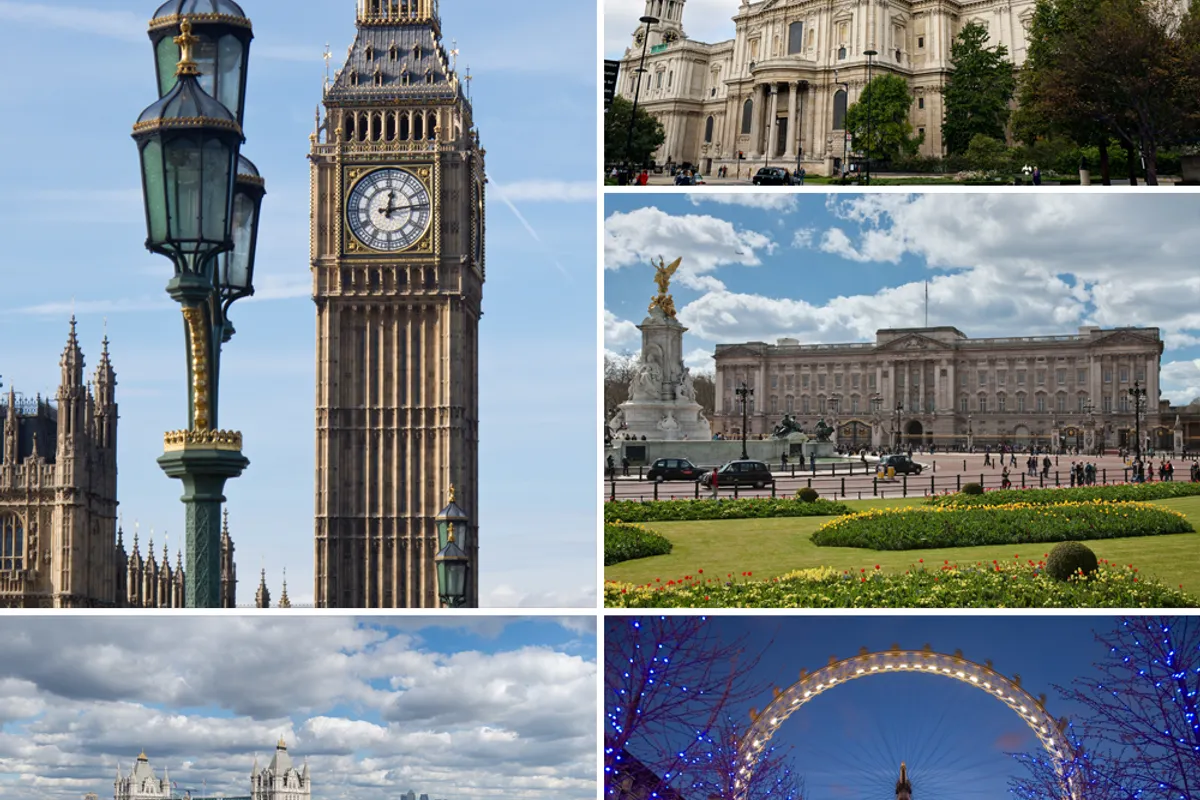
The introduction of the Ultra Low Emission Zone (ULEZ) in London has led to significant improvements in children's lung function, according to a new study published on August 19, 2026, in the scientific journal Lancet Public Health. The research, conducted by Queen Mary University of London, with participation from scientists at Oxford, Cambridge, and Edinburgh, provides the strongest evidence to date of a direct link between cleaner air and proper development of children's organs.
The study followed more than 3,400 primary school children aged six to nine over five years, covering the year before ULEZ was introduced and four years after. Researchers compared children in London with a control group from Luton, a city without a low emission zone, taking into account socio-economic background, physical activity, and ethnicity.
The results surprised even the scientists themselves. Before ULEZ was introduced in 2019, the average lung capacity of children in London was lower compared to their peers in less polluted Luton. However, over the four-year follow-up period, the lung capacity of London children increased rapidly and nearly matched the control group.
The proportion of children with clinically impaired lung capacity in London fell from 14% to 9%, while in Luton the decline was smaller, from 9% to 7%. "I was completely stunned when I first saw the results. The speed at which lung capacity in London children recovered was surprising and impressive," said Prof. Chris Griffiths, one of the lead authors of the study, to the BBC.
The Ultra Low Emission Zone is an area within London where vehicles that do not meet modern emission standards must pay an additional daily fee of £12.50 (about $16). The restriction is enforced 24 hours a day, and vehicles are required to be less than 10 years old for diesel engines and 20 years for petrol engines.
ULEZ was first established under current Mayor Sadiq Khan in 2019, although it was announced as early as 2015 by Boris Johnson during his tenure as Mayor of London. The zone initially covered only central London, before expanding in 2021 and 2023 to cover all of Greater London, home to around 9 million people. Each expansion met with resistance, and ULEZ became a key issue during UK elections. Former Prime Minister Rishi Sunak opposed the zone, even though it was originally proposed by his own party.
A report from the city of London shows how effective ULEZ has been in reducing pollution. Nitrogen dioxide (NO2) has been reduced by 27% in outer London, while PM2.5, fine particles that irritate the lungs, fell by 31%. Overall, nitrogen oxides were reduced by 14%. In the most densely populated central London, a 54% drop in NO2 was recorded.
As many as 99% of air quality monitors in London showed a reduction in pollution. This is particularly important because before the reporting period, around 4,000 people were dying annually in London due to toxic air pollution. In deprived communities, which have traditionally been most affected by pollution, there was an 80% reduction in the number of people exposed to illegal levels of pollution.
Between June 2023 and September 2024, London saw 58% fewer non-compliant vehicles on its roads. A £200 million ($258 million) scrappage scheme for old vehicles, aimed at low-income residents, helped remove 15,232 old vehicles from the roads.
King's College London published a study in 2019 estimating that, without further measures, it would take London 193 years to achieve compliance with legal limits for NO2. Thanks to ULEZ, London achieved this target in 2024, a full 184 years earlier than projections.
Khan welcomed the study's results and highlighted that a pollution monitor at a primary school he visited showed a 48% reduction in nitrogen dioxide. In the UK, nearly three in ten cars sold in 2024 were electric, further supporting the effectiveness of such policies.
The study comes at a time when cities worldwide are considering similar measures. Paris increased pedestrian zones and reduced car traffic during the Olympic Games, and New York City recently introduced congestion pricing. Los Angeles could follow Paris's example for the 2028 Olympics.
Globally, a billion children grow up in polluted urban environments, and fossil fuels receive $7 trillion in annual subsidies. London's example shows that policy change can bring rapid and measurable health benefits for the youngest.