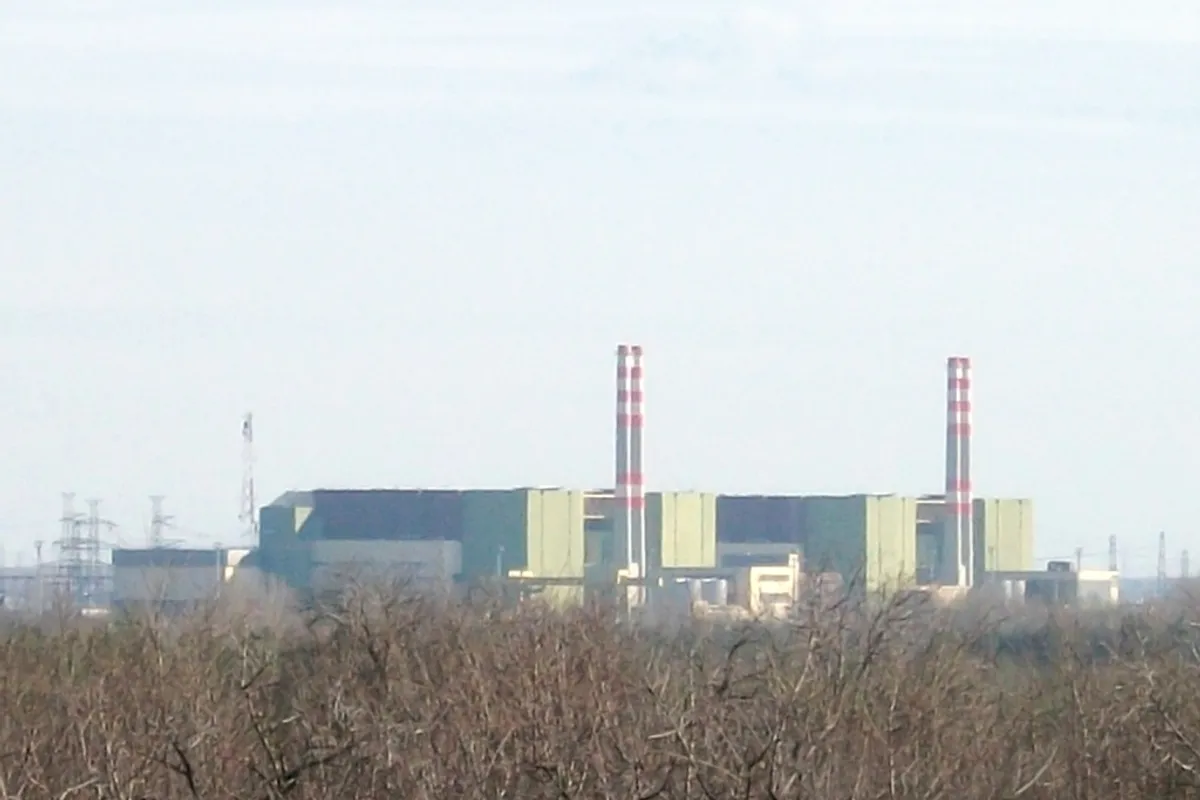
Hungary began restarting a turbine at the Paks nuclear power plant on Monday, August 10, 2026, after the water level of the Danube River, which cools the facility, finally rose. The plant, which normally produces half of the country's electricity, had been operating at just 10 percent of its capacity in recent weeks due to historically low water levels.
The Danube's water level rose by 19 centimeters compared to the lowest level recorded last week, allowing the turbine to be restarted. "The restart of the second turbine at the Paks plant has begun," Hungarian Prime Minister Peter Magyar announced on Facebook, adding that the turbine is expected to start generating electricity on Monday evening.
Plant on the Brink of Shutdown
Of the eight turbines at the Paks nuclear power plant, only one remained operational during the worst of the drought. Magyar warned last week of the severity of the situation, stating that "the Hungarian economy cannot function without the plant for months."
The drought and prolonged heatwave have caused immense damage across Europe. According to data reported by Reuters, the damage to the European economy is measured in hundreds of billions of euros, with impacts felt in electricity production, river shipping, and public health. A similar crisis has hit neighboring Romania, which declared an emergency energy situation in August and diverted the flow of the Danube to keep its only nuclear power plant running.
Temporary Relief and Long-Term Plans
Prime Minister Magyar emphasized that the current rise in water levels is temporary and depends on expected rainfall in Austria. Therefore, the government has already initiated plans for long-term diversification of electricity supply.
Magyar announced that the government will launch a public tender by August 31, 2026, for the construction of wind farms expected to generate 700 megawatts of electricity. The long-term goal is to develop capacity for up to four gigawatts of wind energy. Additionally, the government is reviewing the planned expansion of the nuclear plant, known as Paks 2, as it would also rely on the Danube for cooling under current plans.