"You can't put life into a table and expect to turn it into a zero or a ten." With these words, Suzana Rešetar, mother of 17-year-old Ivan, who has disabilities, and head of the association Sjena, describes her experience with the committee assessment for the right to personal assistance. Instead of gaining insight into her family's real needs, she was met with what she calls mere compliance with administrative formalities.
New regulations, old problems
The new Rulebook on the Assessment of Needs for Personal Assistance, adopted in line with the Constitutional Court's decision, was supposed to introduce an individual approach. The assessment was no longer to be based solely on diagnosis but had to take into account the actual living conditions and needs of the user. In practice, Rešetar claims, this individual approach remained a dead letter.
An orientation list of questions was introduced, intended as a starting point for discussion. However, according to her, the entire process boiled down to filling out that list in front of committee members-a social worker and a psychologist-who see her and her family for the first time in their lives.
"This is satisfying administrative formality. I don't know how else to put it," Rešetar told Novi list.
Life reduced to numbers
She is bitter about the fact that the complexity of daily life for a person with disabilities is being squeezed into pre-defined boxes and numerical ratings. "How am I supposed to fit my life into your question so you can write zero or ten? You can't put life into a table," she said.
She estimates her son's needs at around 420 hours per month, including time spent at an institution. However, she fears that the final decision could be significantly less than the number of hours she believes correspond to the family's actual needs. "They see us for the first time, they don't know our life, they have no idea what to ask us. This should be an orientation list so you know where to start. But in reality, it's the entire conversation," she explained.
Proposal for relocation and fear of the unknown
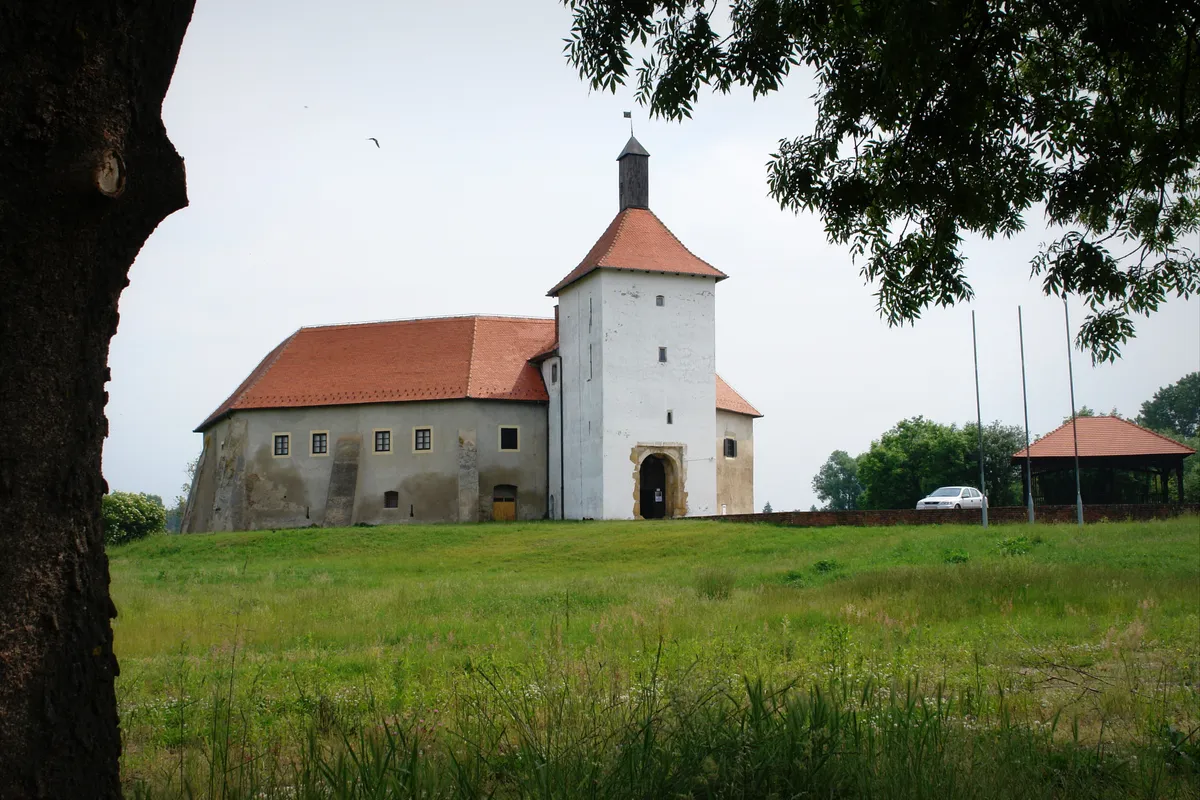
The family received a proposal to relocate Ivan, who is on the verge of adulthood, to the Dubrava Center for Education and Training. Suzana Rešetar refuses such a solution, claiming she lacks sufficient information about the conditions and program her son would have there. "I cannot agree to him going to a center where I know conditions are poor. I want to know who will work with him and what they will do," she stated.
She proposed the possibility of half-day care as a temporary solution, but she did not receive concrete information about that form of care either. Additional concern was raised by the realization that the institution has no developed plan for emergencies. "We have a social welfare institution that has no plan for emergencies. So, if I died tomorrow, they couldn't take Ivan in because they're on annual leave," Rešetar said, horrified, emphasizing that her child would not go there "for a bed and a meal," but needs a plan and program of activities.
Surgery without a replacement and administrative silence
The whole situation is further complicated by the fact that Suzana Rešetar is due for surgery in two weeks, and she doesn't know who will take over Ivan's care. As a parent caregiver, she is entitled to sick leave, but the system has no provision for a replacement. "My husband cannot take sick leave for Ivan because I am his parent caregiver. So, we can only cheat the system, which we don't want to do. I announced my sick leave in June; no one from the system has responded yet. I'm afraid they won't. I'll take my sick leave without help and close it out; that's how it will be," she said.
She submitted the request for a personal assistant on December 30, 2025. After that came a reminder, an appeal to the Ministry, and after the legal deadline expired, proceedings before the Administrative Court due to administrative silence. Time passes, procedures repeat, and concrete help is lacking. Her husband, who is 54, is exhausted from constant care, just as she is. "We can't go on anymore. Ivan is an adult; we need an extra pair of hands," the mother said.