Mešić: We Irrigate Only Three Percent of Our Fields
Dean of the Faculty of Agriculture Aleksandar Mešić warns that climate change is already shaping Croatian agriculture and calls for urgent modernization.
Dean of the Faculty of Agriculture Aleksandar Mešić warns that climate change is already shaping Croatian agriculture and calls for urgent modernization.
Climate change is no longer a distant threat for Croatian farmers but a daily reality to which the country must urgently adapt. Prof. Aleksandar Mešić, PhD, Dean of the Faculty of Agriculture in Zagreb, spoke about the necessary steps for the survival of domestic food production on HTV's central news program.
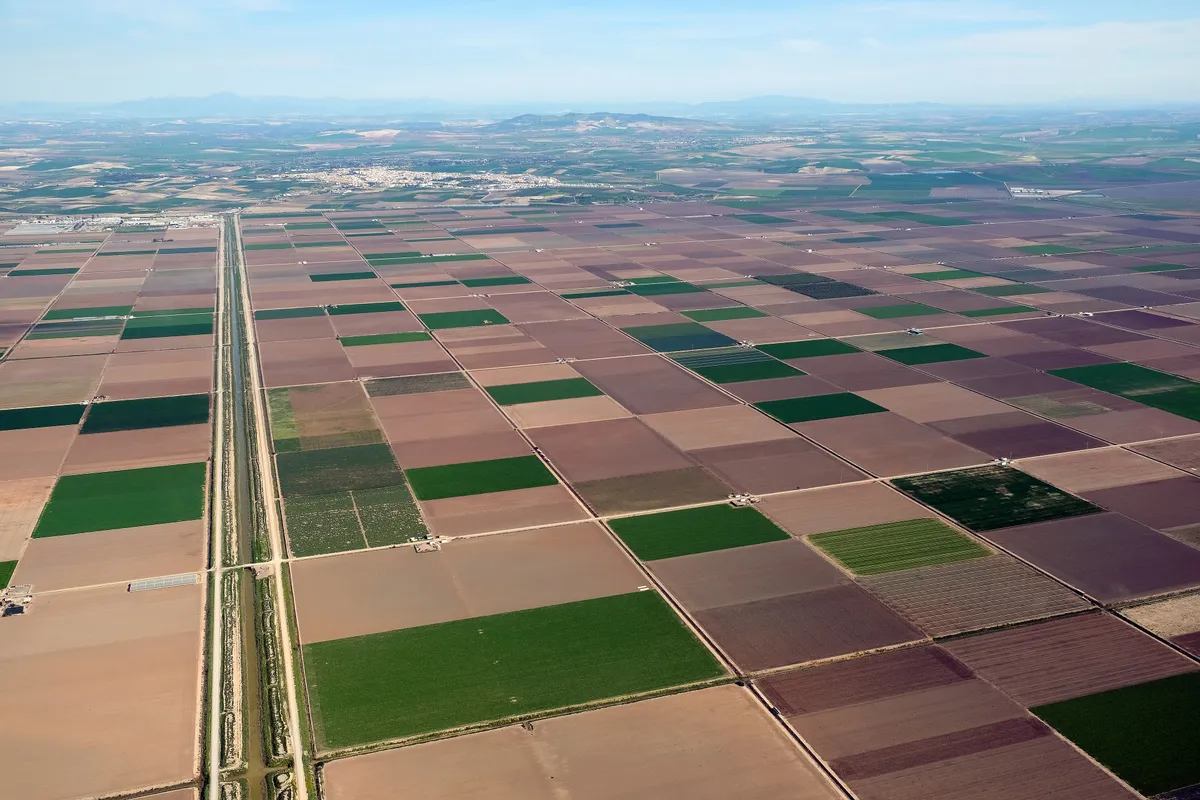
The key issue he highlighted is the catastrophically low level of irrigation. "The fact that we irrigate only three percent of agricultural land illustrates how underdeveloped our agriculture is," Mešić warned. According to him, both the state and producers share responsibility for this situation. "The state must provide infrastructure and sufficient quantities of quality water, and farmers need smart irrigation systems on their farms," he said.
Despite increasingly frequent drought periods, the Dean believes that Croatia does not lack water; rather, the problem lies in its uneven distribution throughout the year. "Croatia is a country that has enough water; it's just not evenly distributed throughout the year," he explained. He sees the solution in building reservoirs that would retain water from rainy periods. "Water from periods when we have it in abundance should be preserved and efficiently delivered to agricultural farms," Mešić added, emphasizing that water "must be managed efficiently and rationally."
Mešić is clear: without radical transformation, there is no future. "We must base agriculture on knowledge, new technologies, digitalization, automation, and innovation," he said, adding that the sector "can no longer be viewed as a traditional activity." In his opinion, Croatia "must face the new normal" and look to more successful European countries as models.
The Dean sees reliance on foreign suppliers in uncertain times as an unacceptable risk. "We cannot rely on food imports because we live in uncertain times," he stated, emphasizing that "food self-sufficiency, or food sovereignty, must be our imperative."
He particularly criticized the absurd situation in domestic agricultural trade. "We export grains and import meat and milk for which those very grains are needed," Mešić warned, pointing to a missed opportunity to create added value within the country.
Commenting on the use of European subsidies, Mešić admitted that the money was successfully drawn down, but the final impact was not optimal. "We successfully utilized the subsidies, but I dare say we could have used them better," he said. According to his assessment, funds often served to patch up low productivity rather than genuinely strengthen the sector. "We missed the opportunity to increase competitiveness and create a more resilient agriculture," he concluded.
When directly asked whether the state listens enough to experts, Mešić's answer was damning: "Unfortunately, far too little, almost not at all." He noted that the Faculty of Agriculture continuously produces analyses and proposals, but political will is lacking to involve experts more actively in shaping agricultural policy. "We certainly have potential, but it is up to all of us how we will use it," concluded the Dean of the Faculty of Agriculture.