Meteotsunami in Hvar: Sea Overflows the Riva
The tide gauge at Split's Institute of Oceanography and Fisheries recorded intense sea level oscillations, and a scientist captured the scene as water spilled over the town's riva.
The tide gauge at Split's Institute of Oceanography and Fisheries recorded intense sea level oscillations, and a scientist captured the scene as water spilled over the town's riva.
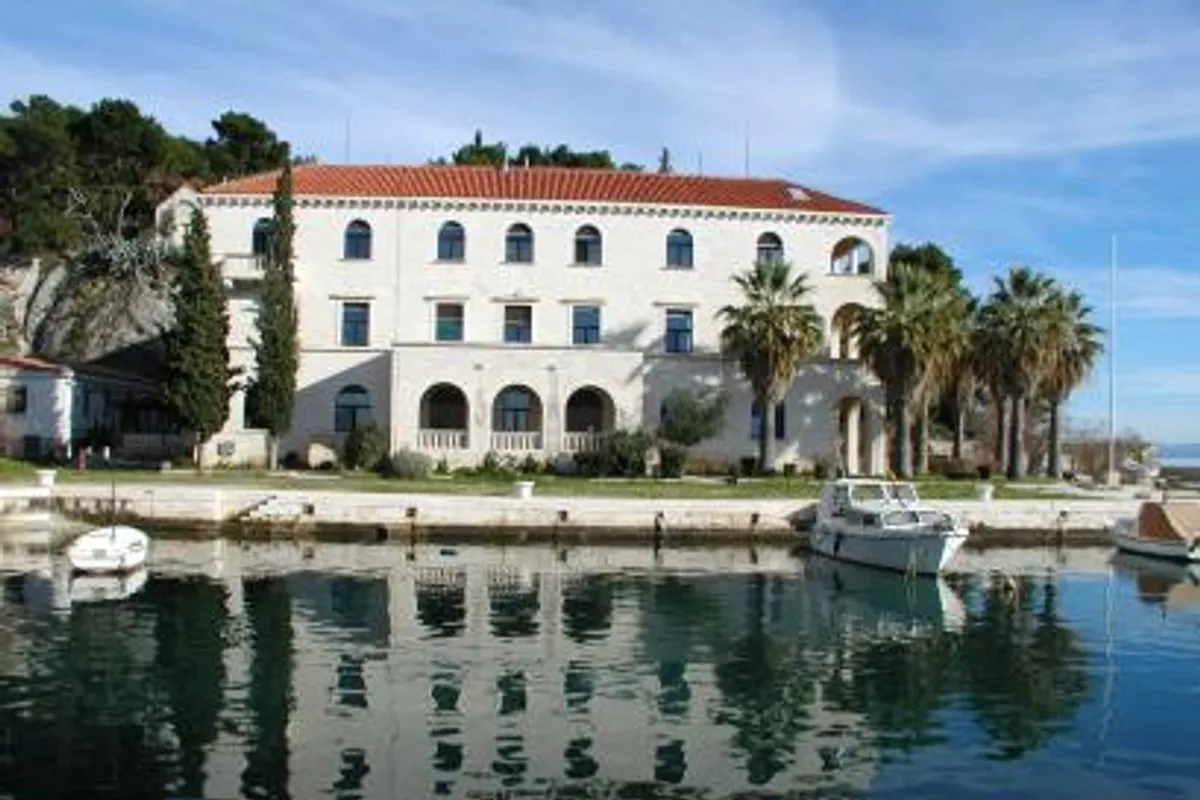
The Institute of Oceanography and Fisheries from Split (IZOR) recorded another intense meteotsunami in Stari Grad on the island of Hvar at the end of July. According to official data, the tide gauge located near the ferry port registered strong sea level oscillations that culminated in the afternoon hours.
"This summer, on July 26, 2026, between 12:00 and 19:00, the Institute's tide gauge recorded intense sea level oscillations, with the maximum occurring around 15:40," the Institute stated.
A meteotsunami, also known locally as "šćiga," is a specific wave that, unlike a classic tsunami, is not triggered by earthquakes but by atmospheric conditions. The process unfolds in several key steps: first, an atmospheric disturbance arises due to sudden changes in air pressure; then, a resonance effect occurs when the speed of the atmospheric wave matches that of the sea wave; and the most dangerous amplification happens when such a wave reaches a long, shallow, and narrow coast like Stari Grad's.
The extraordinary event was also witnessed by a scientist from the Split Institute, Dr. Ante Žuljević, who happened to be at the location at the time. In his hometown of Stari Grad, he captured stunning footage of the sea suddenly rising and overflowing the riva, once again demonstrating how susceptible this bay is to weather influences.
The Split Institute's database today represents one of the most valuable sources of data for studying this phenomenon across the entire Adriatic. Domestic physicists have been making crucial contributions to international research on these extreme sea oscillations for decades.