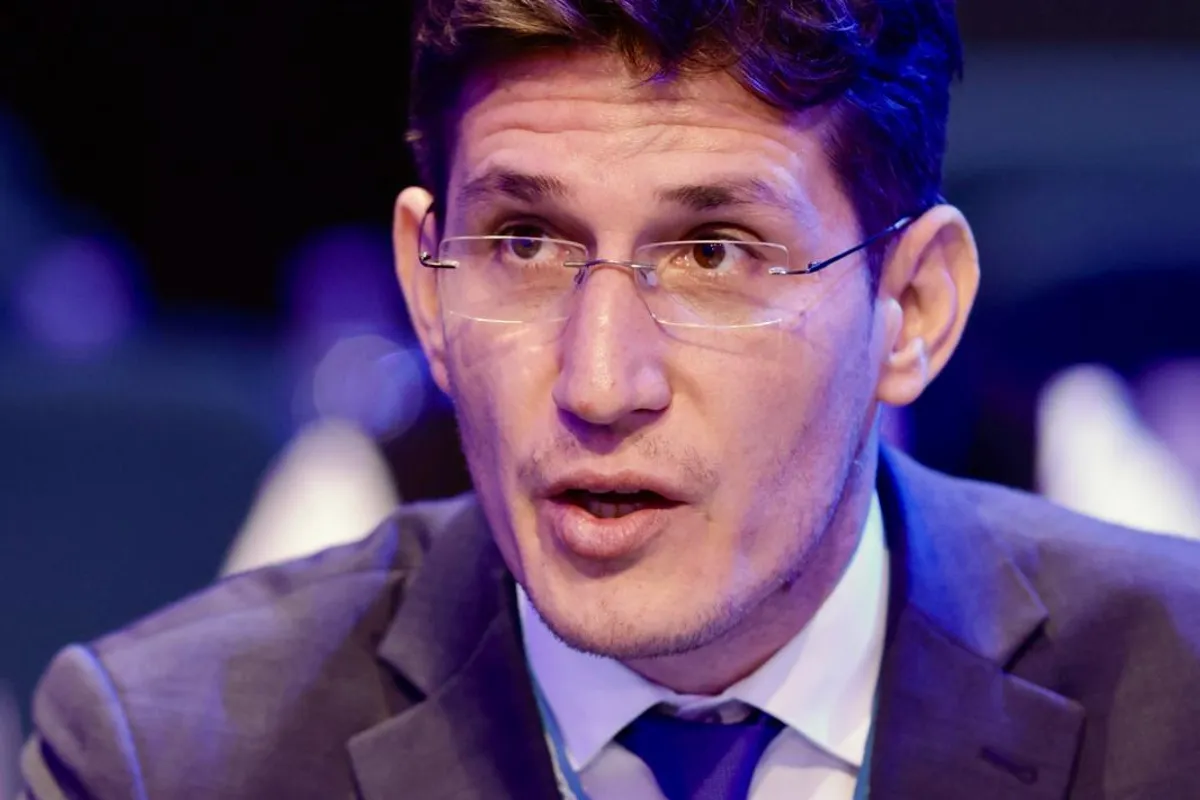
Most MPs Zvonimir Troskot and Marin Miletić held a press conference on Wednesday in front of the Croatian Chamber of Economy (HGK) building in central Zagreb, demanding an expansion of the investigation into waste trade in the country. They believe that the trail of hazardous waste leads to the Association for Secondary Raw Materials, Collection, and Processing, which operates within HGK.
The party emphasizes that they do not wish to prejudge anyone, but rather insist on a thorough and impartial examination of all circumstances-who participates in waste trade, in what manner, and on the basis of which permits. As reported by HRT, the MPs convened the conference right in front of HGK's headquarters to highlight the connection between the professional association and the entire waste management chain.
Inquiry into Waste Exchange Oversight and Conflict of Interest
Troskot asked who oversees the waste trading platform operated by CE-ZA-R and Kemis Termoclean, companies that appear on USKOK's list, stressing that this is crucial for the future. According to him, these companies are on USKOK's protocol, and the answer to the oversight question is vital for the further development of the case and sector control. He added that the association within HGK has an advisory role to the Government and ministers, which raises the issue of a potential conflict of interest.
He particularly highlighted the role of Željko Teufel, who is simultaneously a member of the management boards of CE-ZA-R and Kemis Termoclean and chairs the association within HGK. Troskot asked whether Minister Tomislav Ćorić amended regulations on waste records and facilitated imports after consultations with that association. "Did Minister Ćorić decide to amend the records and relax import restrictions and international transactions after consulting with the Croatian Chamber of Economy, i.e., the Association for Secondary Raw Materials, Collection, and Processing, which is headed by Željko Teufel, a member of the management of CE-ZA-R and Kemis Termoclean?" Troskot asked.
Investigation Must Not Stop at Perpetrators
Troskot emphasized that the investigation should not be limited only to direct perpetrators, transporters, and landfill owners, but must also encompass the broader business and institutional frameworks that enabled such a system to emerge. He believes it is crucial to determine whether HGK influenced the amendments to the Waste Management Act from 2021, proposed by the Ministry under Ćorić's leadership, which liberalized cross-border waste transport.
Instead of increased recycling, we now have new illegal dumpsites and hazardous waste in Gospić, Benkovac, and elsewhere, he warned. He also requested access to HGK's digital infrastructure, i.e., the waste exchange, to check whether it served its legal purpose or enabled illegal dumping. Most demands that competent authorities determine who controls the waste exchange, how cross-border transactions are monitored, and whether decisions were made by individuals who could have been connected to companies in the sector.
Troskot raised the question of whether there are transactions on that platform between companies linked to Josip Šincek, the main suspect in the illegal dumping of 35,000 tons of waste, and Italian companies such as Stena, Zoffilli, Intercomerzio, Gifema, and Soluzione Plastiche. He also asked who oversees the exchange and what role HGK played in the entire chain. Most's MPs stated that final conclusions should be drawn by investigative and other competent authorities based on facts, and their request is aimed at expanding the investigation and clarifying the relationships between private companies, the professional association within HGK, and representatives of the executive branch.
Marin Miletić reminded that Most opposed the adoption of the Waste Management Act because, as he said, it allows for complete market liberalization and the import of toxic waste into Croatia. He added that Prime Minister Andrej Plenković cannot escape responsibility for this situation.