Oil Slick from 'Shadow Fleet' Tanker Reaches Oman's Coast
Experts warn of ecological disaster: 40 kilometers of coastline and a marine nature reserve at risk, with the slick spreading for weeks unchecked.
Experts warn of ecological disaster: 40 kilometers of coastline and a marine nature reserve at risk, with the slick spreading for weeks unchecked.
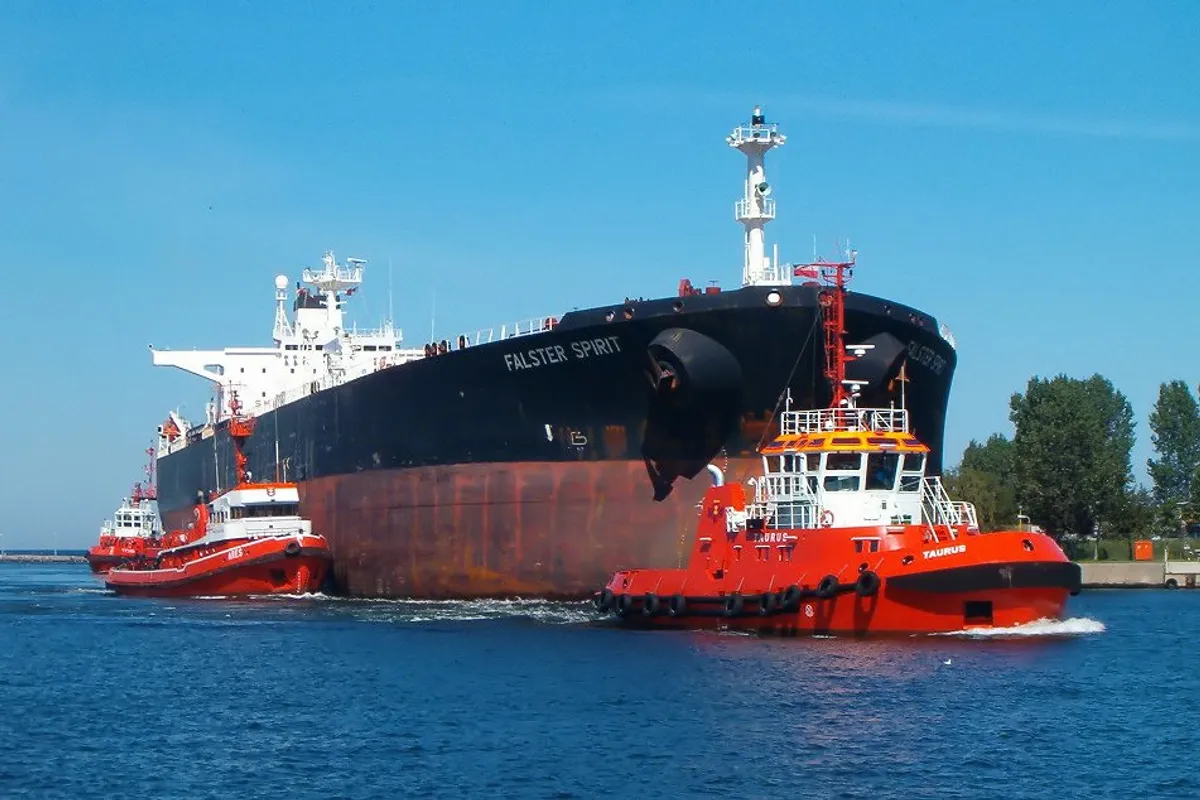
An oil slick from the damaged tanker Caroline Bezengi, attributed to Russia's 'shadow fleet,' has reached the coast of Oman, confirmed the Omani environmental protection agency. This oil spill could become one of the worst ecological disasters globally in recent years, as the slick has been spreading for weeks with almost no oversight.
According to estimates, the oil could now affect 40 kilometers of coastline near Ras Madrake, as well as Masirah Island. John Amos, an oil spill expert who reviewed satellite imagery for Reuters, stated: "The slick now covers an area larger than 2,000 square kilometers."
The tanker Caroline Bezengi, which was carrying approximately 800,000 barrels of Russian oil and was under international sanctions, ran aground on June 30, 2026. Ownership of the tanker is reportedly traced to Shanghai, China. According to data from the International Maritime Organization (IMO), the tanker was loaded with a total of 130,000 tons of oil.
According to an analysis by the geodata company Synmax, the tanker most likely loaded oil at the Russian port of Novorossiysk, only to suffer an incident at sea in early June and stop transmitting location data. Sources indicate it was heading to a port in India. The first difficulties were reported on June 8, 2026 off the coast of Yemen, after maritime sources said it appeared to be an explosion.
The oil is leaking near an island that is part of Oman's marine nature reserve, a habitat for many animal species, including Arabian Sea humpback whales and Socotra cormorants. Greenpeace warns that coral reefs, sea turtles, migratory birds, and marine mammals are also threatened.
According to Greenpeace measurements based on satellite imagery, the polluted area grew to 1,000 square kilometers on Tuesday, up from 600 square kilometers last Thursday. Nina Noelle, a Greenpeace expert, stated that the situation is "another alarming example of the significant environmental risks posed by the so-called Russian shadow fleet."
The British maritime security company Ambrey announced that it is involved in repairs to the tanker Caroline Bezengi. Salvage vessels are en route to the region to support the operation. Ambrey stated that it is cooperating with stakeholders in Oman and has engaged a leading international oil spill response company.
A representative of Oman's Ministry of Transport told the official news agency ONA that weather conditions are hampering efforts to contain the oil slick. The IMO also cites severe weather conditions, with access to the ship limited by the monsoon in the region, causing delays in salvage operations.
Meanwhile, Iran is battling an oil spill off Qeshm Island. Satellite imagery, reported by Bloomberg, shows a dark elongated trail in the waters near the coastal village of Shib Deraz, a breeding ground for endangered sea turtles. Iran's Isna agency reported that cleanup operations are underway but did not specify the source of the pollution.
The tanker tracking service TankerTrackers.com suggested that the spill resulted from an Iranian attack on a bulk carrier earlier this month. Esmaeil Baghaei, spokesperson for Iran's Ministry of Foreign Affairs, stated that preliminary evidence points to a foreign commercial vessel as responsible and that parties benefiting from commercial traffic through the Strait of Hormuz have a "legal and moral obligation" to contribute to remediating environmental damage in the region.