The Biggest Driver's License Reform Is Coming
Croatia prepares to adopt the new European Union directive that brings digital licenses, stricter rules for young drivers, and lower age limits for professionals.
Croatia prepares to adopt the new European Union directive that brings digital licenses, stricter rules for young drivers, and lower age limits for professionals.
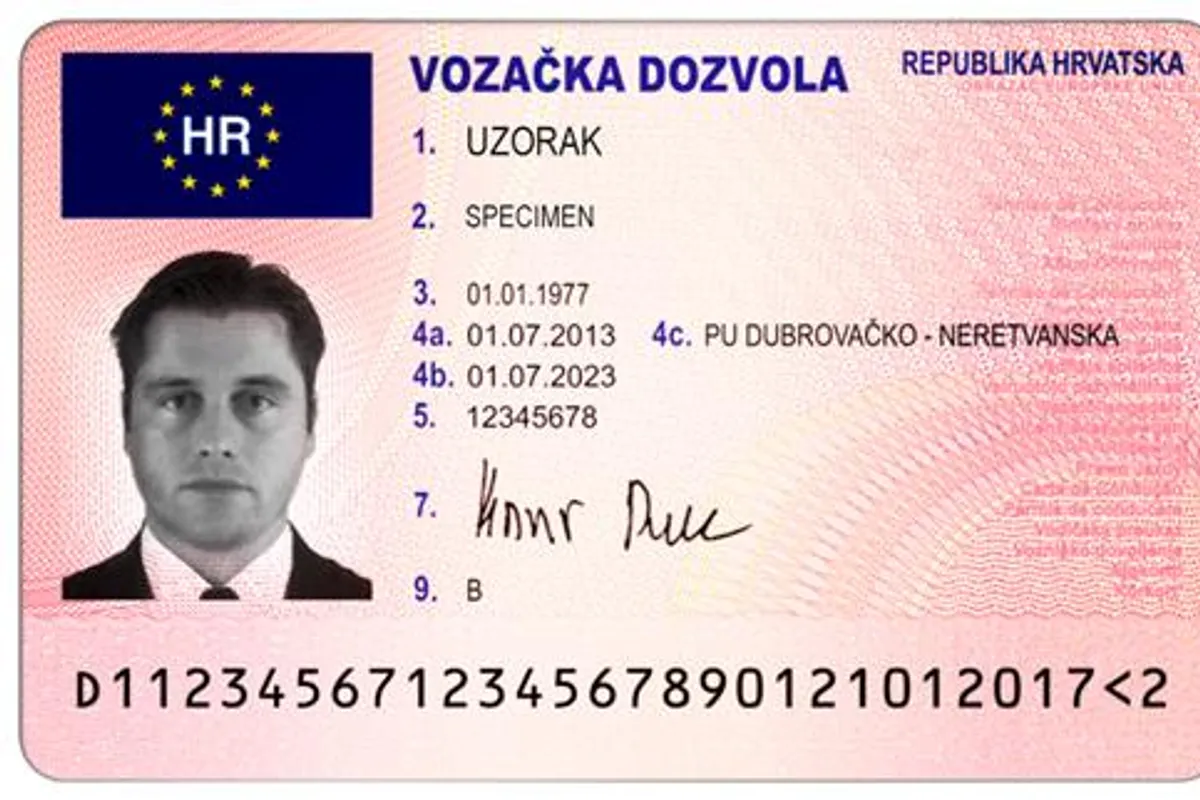
Croatia is gearing up to adopt the new EU directive that introduces sweeping changes to the driver's license system. All drivers in the country, from beginners in driving schools to professionals with millions of kilometers under their belts, will soon face one of the most significant reforms in decades.
The alignment with the EU directive has two main goals: significantly improving road safety across the Union and modernizing administrative procedures to fit the digital age. The changes cover everything from how driving rights are verified to the penalties that will apply from Lisbon to Helsinki. Member states have been given a four-year deadline for full implementation.
One of the most anticipated changes is the introduction of the digital driver's license. The classic pink card will become a thing of the past, replaced by a version stored on a smartphone, accessible via a mobile app. This modernization simplifies identification during checks and makes forgery and misuse significantly harder.
While the digital version will become the norm, those who prefer it will still be able to request a physical card. A transition period of about four years is planned for the full shift to digital solutions.
The directive places special emphasis on young and inexperienced drivers, statistically the highest-risk group on the roads. A mandatory probationary period of at least two years will be required for all new drivers. During this time, significantly stricter rules and penalties will apply for serious offenses, especially drunk driving, where a zero-tolerance policy is expected, as well as for not wearing a seatbelt or using a mobile phone.
A new option allows 17-year-olds to obtain a driver's license, but only if they drive under the supervision of an experienced person until they reach adulthood. The purpose of this measure is to allow experience to be gained under controlled circumstances and to reduce accidents caused by inexperience.
Professional drivers will not be left untouched by the changes, and some of them could help address the chronic shortage of labor in the transport sector. The directive plans to lower the age limit for truck drivers from 21 to 18, and for bus drivers from 24 to 21, allowing young people to enter the job market earlier.
At the same time, changes also affect Category B drivers, especially those who use larger vehicles like campers. After completing additional training or passing a specific test, Category B drivers will be able to drive vehicles weighing up to 4.25 tons, instead of the previous limit of 3.5 tons.
The reform also brings changes to the system of medical fitness checks for driving. Mandatory medical examinations will be required for the initial issuance and for every renewal of a driver's license. Special emphasis will be placed on vision tests and cardiovascular system checks. According to the directive, member states have the option to use a self-assessment health form instead of the standard examination for car and motorcycle drivers.
The validity periods of the licenses themselves are also changing. Standard licenses for cars and motorcycles will last 15 years, while those for professional categories (trucks, buses) will be valid for five years, after which a new medical check and renewal will be required.
One of the most important changes directly affecting safety is the cross-border recognition of driving bans. Previously, a driver who lost their license due to a serious offense (e.g., drunk driving or causing a serious accident) in one EU country could often continue driving in their home country. The new directive changes this: a driving ban issued anywhere in the EU will apply across the entire Union.
This system, along with digital licenses that are difficult to forge, will enable a unified European framework for recording and punishing the most dangerous drivers. It also improves the education of new drivers, with a greater focus on real threats such as blind spots, proper door opening to protect cyclists, and the dangers of using mobile phones and other distractions.