NATO said on Wednesday, August 19, 2026, that it is ready to face any threat after the Financial Times reported that Iran allegedly considered attacks on US military targets in Europe. The alliance's reaction came after a report suggesting that Tehran could act if US President Donald Trump further escalates the war.
An unnamed NATO official told Anadolu that the alliance is ready to respond to any threat and protect all member states. In a statement, he recalled the earlier operation of air defense in Turkey, which he described as proof of the strength and effectiveness of deterrence.
Missile Interception Over Turkey
The official highlighted a specific example: "As demonstrated earlier this year, when NATO's air defense successfully intercepted ballistic missiles from Iran heading toward Turkey on four separate occasions, our deterrence and defense posture are strong and effective."
According to Reuters, the statement was made in response to questions about a potential threat to European targets, but without additional details on any concrete measures or new security assessments.
Iranian Assessments of Targets in Europe
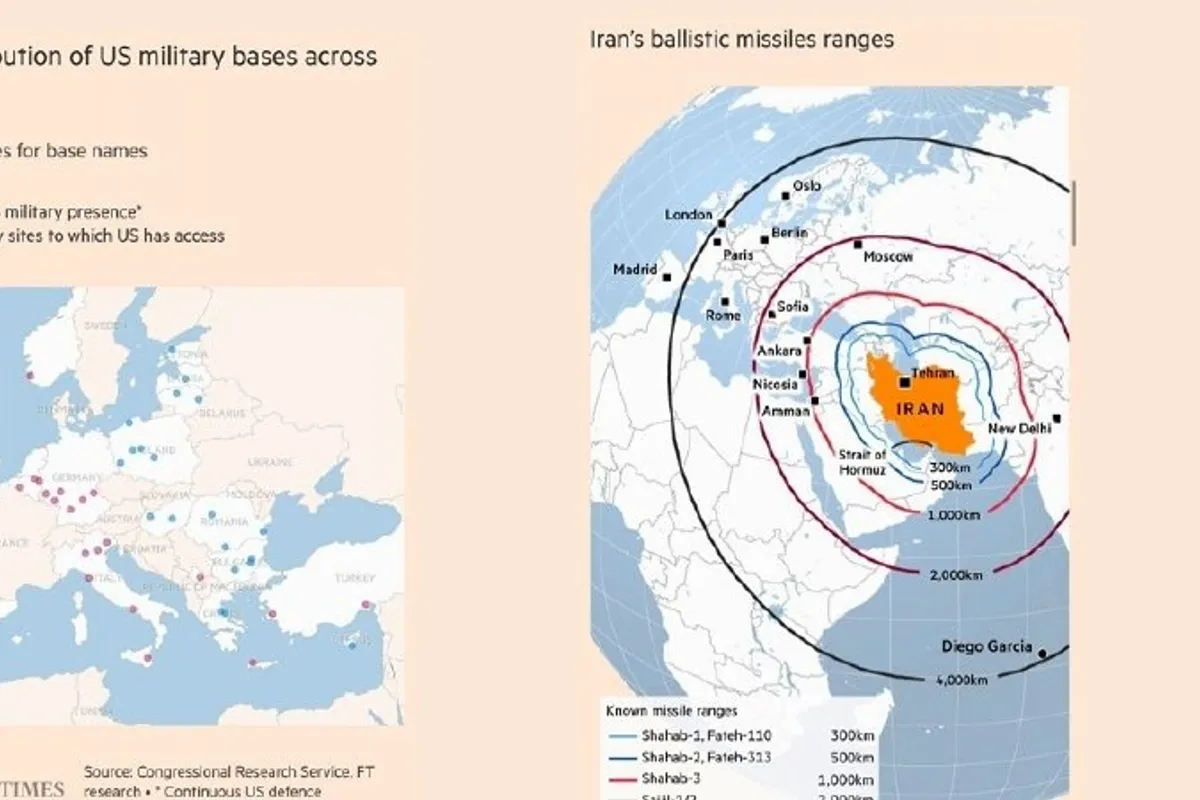
The Financial Times, citing sources close to the Iranian regime, reported that Iranian forces were assessing strikes on US targets in Southeastern European countries. Among the potential targets mentioned was Bulgaria, which last month approved the use of the Bezmer air base for US aircraft refueling.
One source added that Cyprus, where a drone hit a British air base in March 2026, is also among potential targets for retaliation in the event of a renewed US offensive.
In its reaction, NATO did not provide new security assessments or announce specific measures, but the alliance's message is clear: "NATO is ready to face any threat and will always do everything necessary to defend all allies."
According to sources close to the Iranian regime, Tehran is actively considering retaliation against US defense capabilities stationed in Southeastern European countries, including Bulgaria, if President Trump escalates the conflict. Bulgarian authorities last month approved the use of the Bezmer air base for US refueling aircraft, making that location one of the potential targets. The Islamic Revolutionary Guard Corps has previously warned host countries: "Any base used to attack Iranian territory will be considered a legitimate target."
Iranian officials believe that European bases enabling US combat flights will be directly exposed if Washington carries out threats against domestic energy facilities and transportation infrastructure. "If the US goes too far, Iran will defend itself at all costs, go beyond the region, and strike Europe too," a regime insider told the Financial Times.
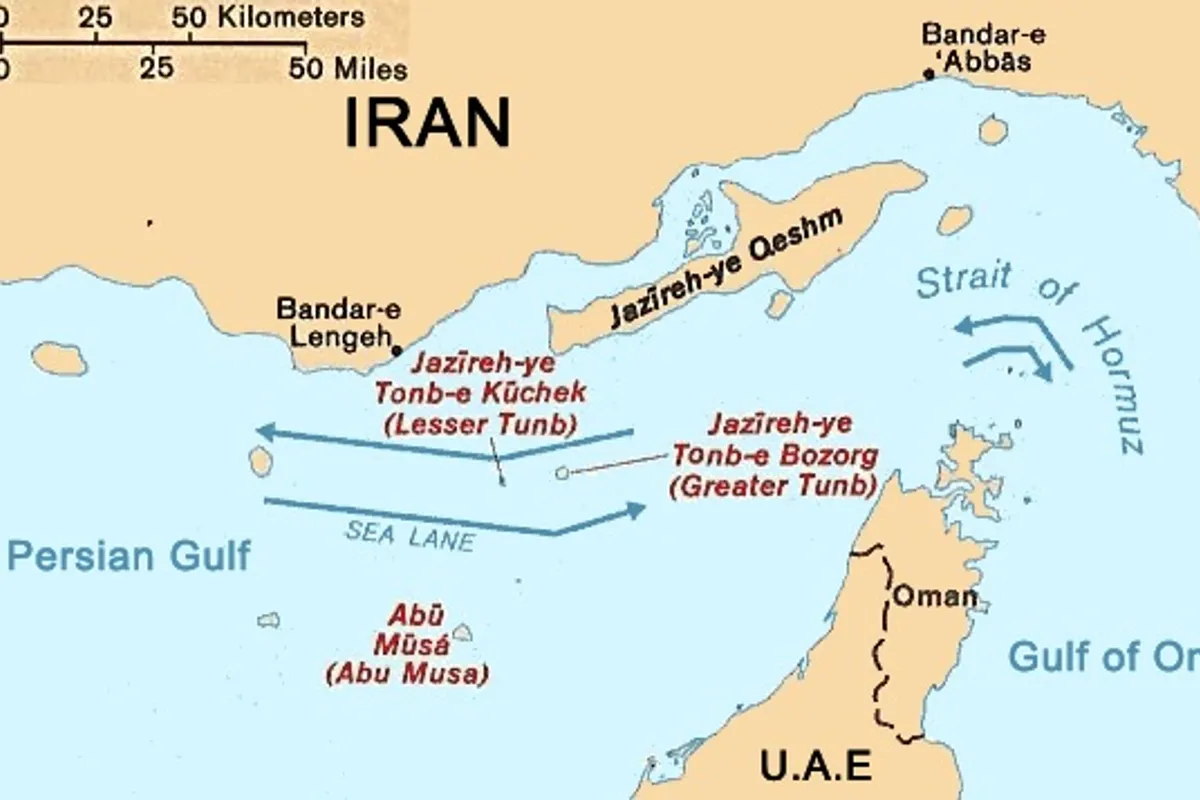
Strategic calculations in Tehran have further hardened after the collapse of the memorandum of understanding in June. This was followed by naval clashes in the Strait of Hormuz, mutual violations, retaliations, and a US naval blockade of Iranian ports. Diplomatic engagement has completely halted, and President Trump confirmed that there are no negotiations nor are any scheduled. Supreme Leader Ayatollah Mojtaba Khamenei has meanwhile appointed prominent hardliners to key defense positions, including former Revolutionary Guard commander Mohsen Rezaei. Regime insiders characterized the recent precision strikes on a US outpost in Jordan, which killed three US soldiers, as a deliberate demonstration of long-range targeting capability aimed at sending a signal to European governments hosting US military assets.
Western defense analysts assess that the conventional missile risk to Southeastern Europe is present but technically limited. Tehran possesses medium-range ballistic missiles such as the Shahab series, but experts note that payload and accuracy significantly decrease at distances greater than 2,000 kilometers. In addition to land targets in Southeastern Europe, Iranian armed forces have also considered disrupting underwater optical infrastructure passing through the Strait of Hormuz to inflict economic damage in the event of conflict expansion.