Netanyahu Claims US-Israeli Strikes Crippled Iran's Nuclear Program
Israeli PM announces meeting with Trump amid tactical pause in Gulf conflict; Iran accepts strike-for-strike halt
Israeli PM announces meeting with Trump amid tactical pause in Gulf conflict; Iran accepts strike-for-strike halt
Benjamin Netanyahu, the Israeli Prime Minister, stated on the eve of his trip to Washington that in two joint US-Israeli operations, 20 top Iranian nuclear scientists were eliminated, which, he claimed, has "pretty much" crippled Iran's nuclear program.
In an interview with Fox News, as reported by Index.hr, Netanyahu said:
"In the two operations we carried out with the United States, we eliminated 20 of their leading nuclear scientists."He added that he believes Tehran must end its nuclear program "with or without a deal," and that President Trump will fully support him in this. "One way or another, they must end their nuclear program. With or without a deal, it must stop," Netanyahu stated, sharing the comment on his Twitter account.
His remarks come at a time when President Donald Trump temporarily halted the escalation against Iran after 13 consecutive nights of US airstrikes. According to the Italian news agency ANSA, one of the key reasons for delaying a larger attack is a shortage of Patriot anti-aircraft missiles and other interceptors in the region. During a meeting with senior advisors on July 24, 2026, Chairman of the US Joint Chiefs of Staff Dan Caine warned that a new wave of fighting could dangerously deplete CENTCOM's interceptor supplies.
Meanwhile, US Ambassador to the UN Mike Waltz denied these claims, telling Fox News that the US is "locked and loaded" and that those spreading "such nonsense deserve to go to jail." At the same time, Iranian sources cited by the Hindustan Times claim the pause is "tactical, not real." "There is more skepticism than optimism regarding the pause in attacks," an unnamed Iranian source said, adding that Iran's stance is "strike for strike" and that Tehran will halt its operations as long as the US strikes are suspended.
Spokesman for the Islamic Revolutionary Guard Corps (IRGC) Mohammad Akraminia warned that "the geography of the war could expand" if the Americans continue their attacks. Trump, for his part, said at the White House Correspondents' Dinner on Friday, July 24, that Iran "would love to make a deal," but that it is not yet time.
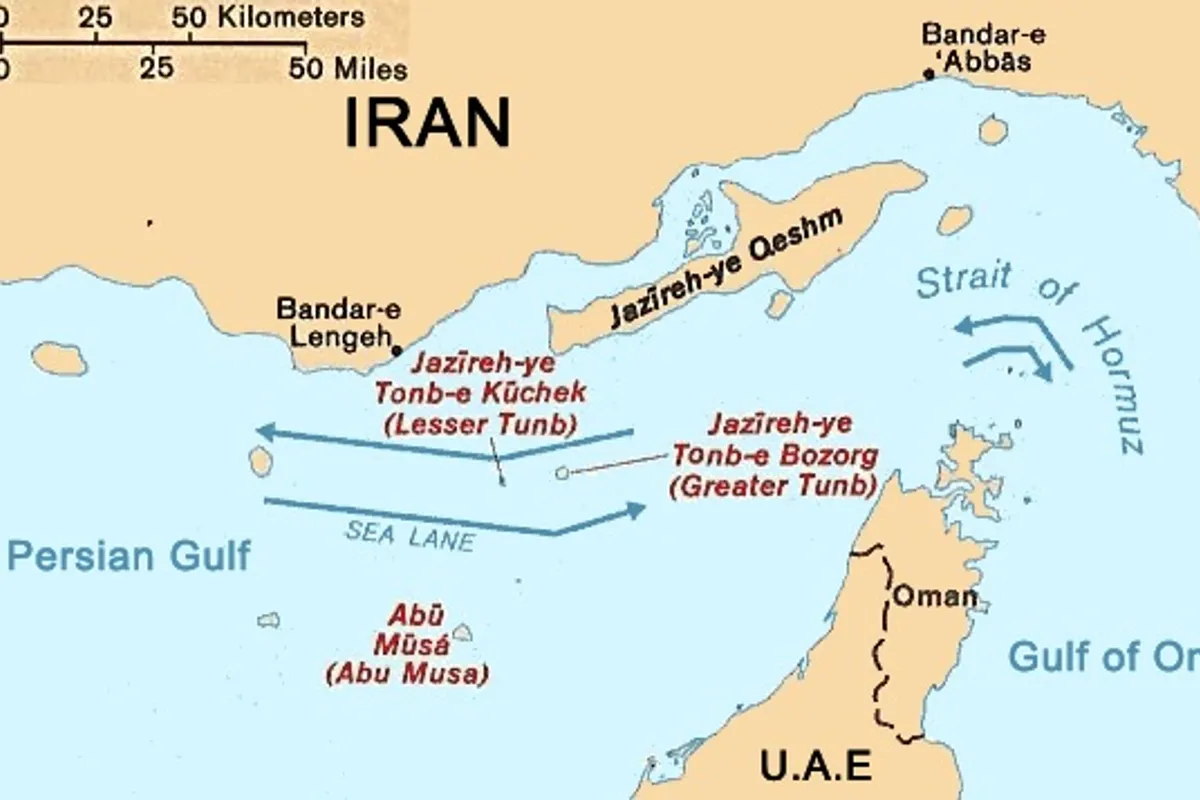
The conflict has also spilled over into the Red Sea. On Saturday, July 25, 2026, Iranian-backed Yemeni Houthis attacked Saudi oil facilities in the port cities of Jizan and Yanbu using missiles and drones. The Saudi coalition retaliated with strikes on Houthi positions, further escalating tensions. The price of Brent crude oil closed on Friday at $96.78 per barrel, recording a 27% jump over the past two weeks due to the near-total blockade of the Strait of Hormuz, a key global oil route.
Parallel to the Iran crisis, Israel made a significant concession regarding Gaza. On Sunday, July 26, Netanyahu's security cabinet approved the legal framework for the entry of an International Stabilisation Force into the enclave. As reported by HRT, the mission will include 200 soldiers from friendly countries such as Uganda and Morocco, with each contingent requiring individual Israeli approval. The deployment is part of Trump's peace plan for Gaza, which envisions a civilian Palestinian administration and the disarmament of Hamas, but the plan has been stalled for months. According to data reported by Jutarnji list, Israel currently controls 64% of Gaza and aims to expand that control to 70%.
White House Spokesman Steven Cheung stated that Trump "prefers a diplomatic solution but maintains all options" if Iran continues its "terrorist activities" in the Strait of Hormuz. Netanyahu travels to Washington on Monday, July 27, with a meeting with Trump scheduled for Tuesday, July 28, 2026, at the White House.
Prepared by: 5MIN.hr, based on reports from ANSA, Hindustan Times, HRT, and Index.hr