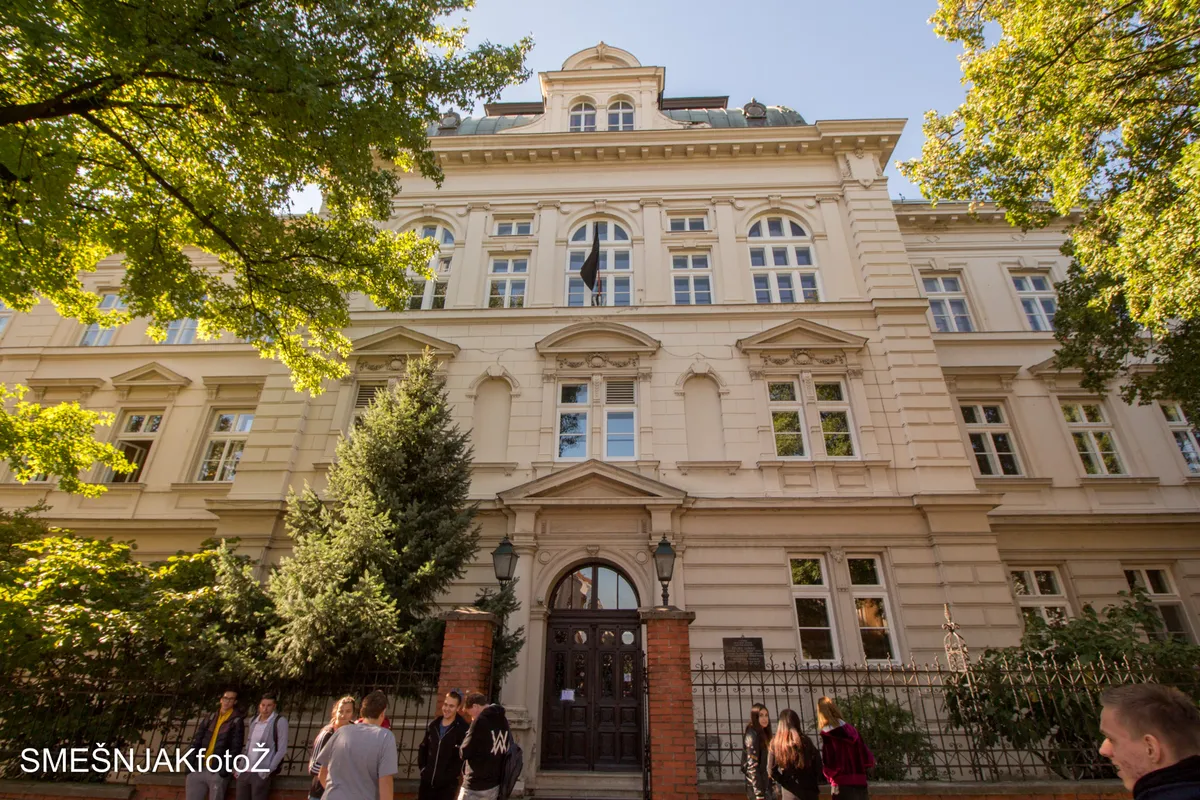
In Požega, after the building housing the regional offices of the Croatian Pension Insurance Institute (HZMO) and the Croatian Health Insurance Fund (HZZO) was renovated, people with disabilities can no longer enter without assistance. During the works, the ramp that had stood beside the steps before the renovation was removed, leaving a high flight of stairs as the only entrance to the building.
As journalist Mateo Pejaković reports for the portal Požeški.hr, the entrance was completed about two months ago, but the key principle of accessibility for all users was not respected in the project. Photos published by the same portal show that before the works, there was a ramp on the right side of the old staircase that could be used by people with mobility difficulties.
Theory vs. Practice
Although people with disabilities currently make up 17 percent of the total population, accessibility issues in Croatia have been discussed for years. According to the technical regulation on ensuring the accessibility of buildings, which implements the EU directive into Croatian law, all public and commercial buildings must meet accessibility standards during reconstruction.
Article 5 of this regulation clearly states that the building owner must maintain accessible elements and must not hinder the use of assistive devices for people with disabilities. However, the example from Požega shows that the regulation is not consistently enforced in practice.
Citizens Await a Response
As things stand now, individuals who need to avail themselves of services related to pension or health insurance can only do so if they can manage the steps. And that is precisely the biggest problem for wheelchair users, as well as for the elderly and parents with young children.
Požeški.hr warns that citizens requiring an accessible entrance have been unable to enter the HZMO and HZZO building in Požega independently for nearly two months. A response from the relevant authorities is still awaited regarding when the problem will be resolved and whether people with disabilities will be provided with unimpeded access.