Oxybenzone from Sunscreen Found in Corals in the Mediterranean
Research conducted in the Mediterranean has shown that oxybenzone, a UV filter from sunscreens, accumulates in coral tissues, warning of long-term consequences for marine ecosystems.
Research conducted in the Mediterranean has shown that oxybenzone, a UV filter from sunscreens, accumulates in coral tissues, warning of long-term consequences for marine ecosystems.
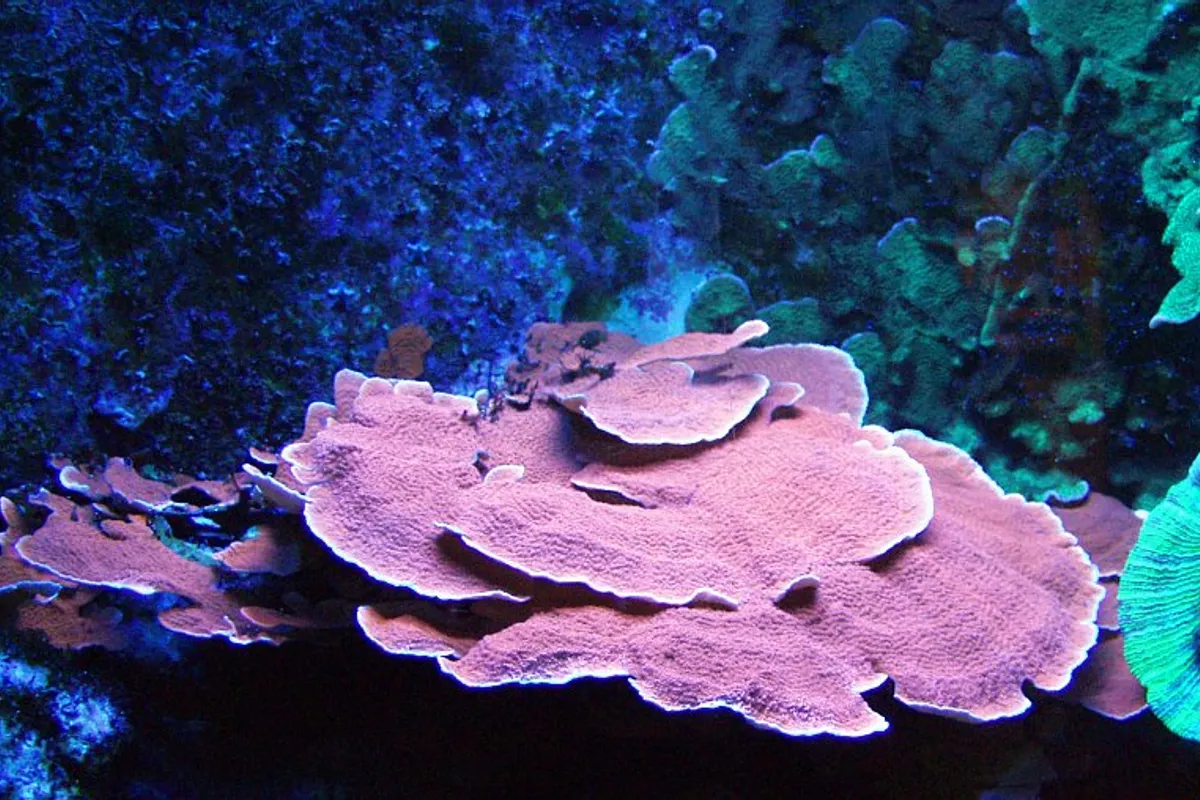
Research conducted in the Mediterranean has revealed the presence of chemical compounds from sunscreens in marine organisms, specifically in the tissues of the coral species Paramuricea clavata. The results show that oxybenzone, one of the UV filters used in sun protection products, can accumulate in these sensitive organisms.
The study was carried out in the Mediterranean Sea, with higher levels of pollutants found outside the protected area. This points to the potential role of marine protected areas in reducing the impact of human pollution on marine ecosystems.
Scientists from the Plymouth Marine Laboratory and the University of Plymouth have demonstrated that sunscreen components act as pseudo-persistent pollutants in the oceans, as reported by France Info. The article's author, Bill François, emphasizes that the sun's UV rays are more dangerous than all sharks, tsunamis, and other summer disaster movies combined, and that they are the leading cause of skin cancer, making sunscreen indispensable for protection.
"But when we swim, it ends up in the water, where it becomes highly toxic to marine organisms," warns François. Every year, between 6,000 and 14,000 tons of sunscreen directly pollute coral reefs.
According to François, sunscreen filters date back to the 1950s and have been very little studied. "We need to conduct more research to understand which substances are dangerous or, more precisely, which mixtures of substances," stresses the article's author for France Info.
An additional problem is the interaction of sunscreens with other pollutants in the water. "Sunscreens in water interact with other pollutants and create terrible chemical cocktails, especially with plastic, which they protect, preventing it from breaking down," explains François.
Despite the concerning findings, François points out that we should not stop using sunscreen. "We shouldn't reduce its use," he says, adding that we can choose less harmful creams by avoiding compounds like oxybenzone and octinoxate and favoring mineral filters without nanoparticles.
"But since we're not all chemistry graduates, we should first and foremost insist on better testing and stricter standards to develop non-polluting alternatives," François urges.
There are also encouraging developments. In 2025, a sunscreen based on edible algae such as sea lettuce was successfully tested. "So, there is hope," François concludes.