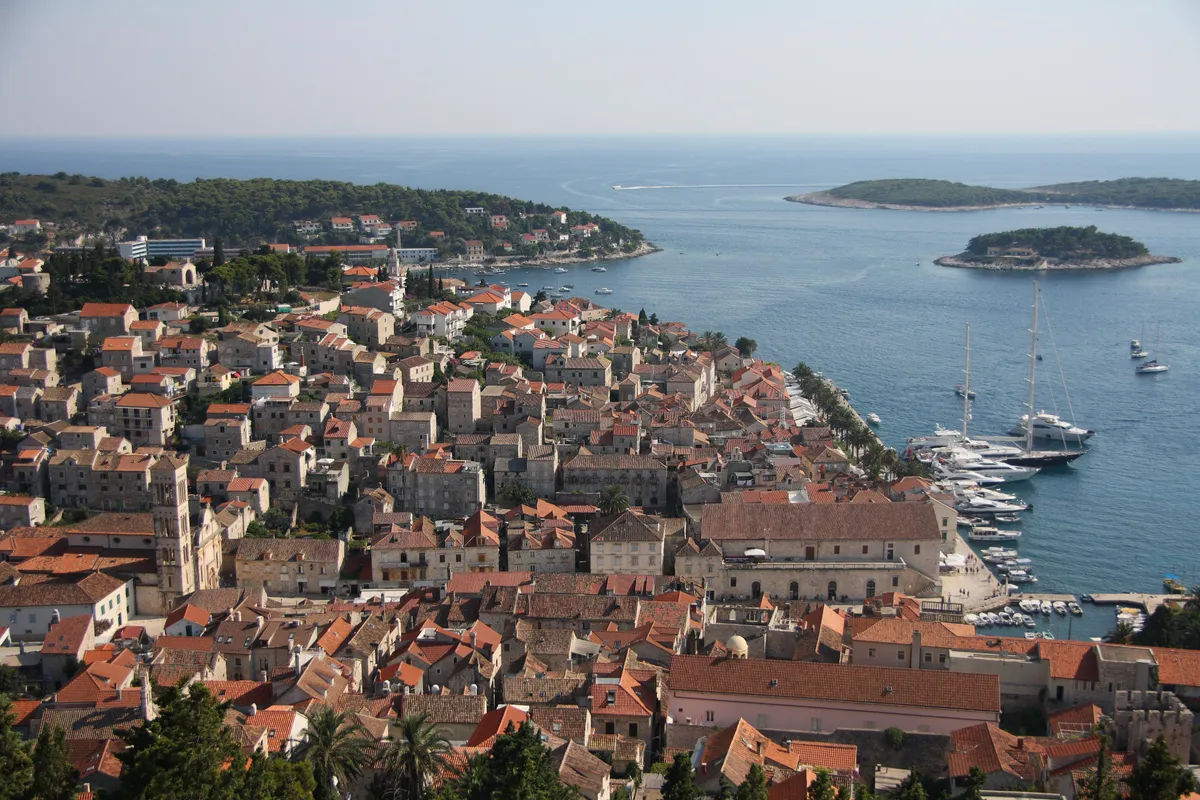
Although eight years have passed since Oliver Dragojević's death on July 29, 2018, his name remains an indispensable part of the Croatian music scene. Every year, he appears among the Porin nominations, and his songs are in constant radio rotation. At the end of July, Vela Luka once again becomes a gathering point, hosting the 'Trag u beskraju' memorial collection and concert, an event that draws ever larger crowds each year, as reported by Večernji list.
This situation transcends the usual framework of nostalgic remembrance and raises the question of how an artist, without new output or physical presence, remains a vital participant in contemporary culture. The answer lies in the nature of his voice and the way collective memory has been shaped around him.
A Voice as Autobiography and the Foundation of Collective Memory
Oliver Dragojević was above all a performer. His work was created in collaboration with songwriters, among whom Zdenko Runjić held a special place. Although in the context of popular music, which emphasizes authorial uniqueness, such a role might seem secondary, collective memory does not follow the logic of ownership over musical recordings. What is remembered is the voice and the way that voice forever defined the meaning of the song.
Runjić's compositions, precisely crafted and deeply rooted in the Dalmatian worldview, were inhabited by Oliver with meaning. His voice-a stable tenor register with a warm saturation in the mid-range and a distinctive slight rasp-carried a pronounced materiality. It is precisely this 'rasp,' as he himself described his voice, that constitutes a unique sonic signature of everything he had lived and felt. The voice became an autobiography.
From this material foundation grew a vocal range that moved from an almost whispered, airy tone to a full, resonant expression. These transitions followed the inner logic of the song, building its dramatic arc, while micro-rhythmic flexibility and a freer approach to the pulse revealed influences of jazz and soul, filtered through the sensibility of the Mediterranean space.
Singing Together as a Ritual of Belonging
In Oliver's performance practice, one can recognize the experience of klapa singing, a model in which the voice is not an instrument of spectacle but a medium of communication among equals. He transferred this logic to his relationship with the audience, who did not see themselves as an anonymous mass but as participants in a shared experience. Philosopher Adriana Cavarero argues that vocal uniqueness does not arise from the singer but from the connection with the listener; the deeper this connection, the more powerfully the interpretation resonates.
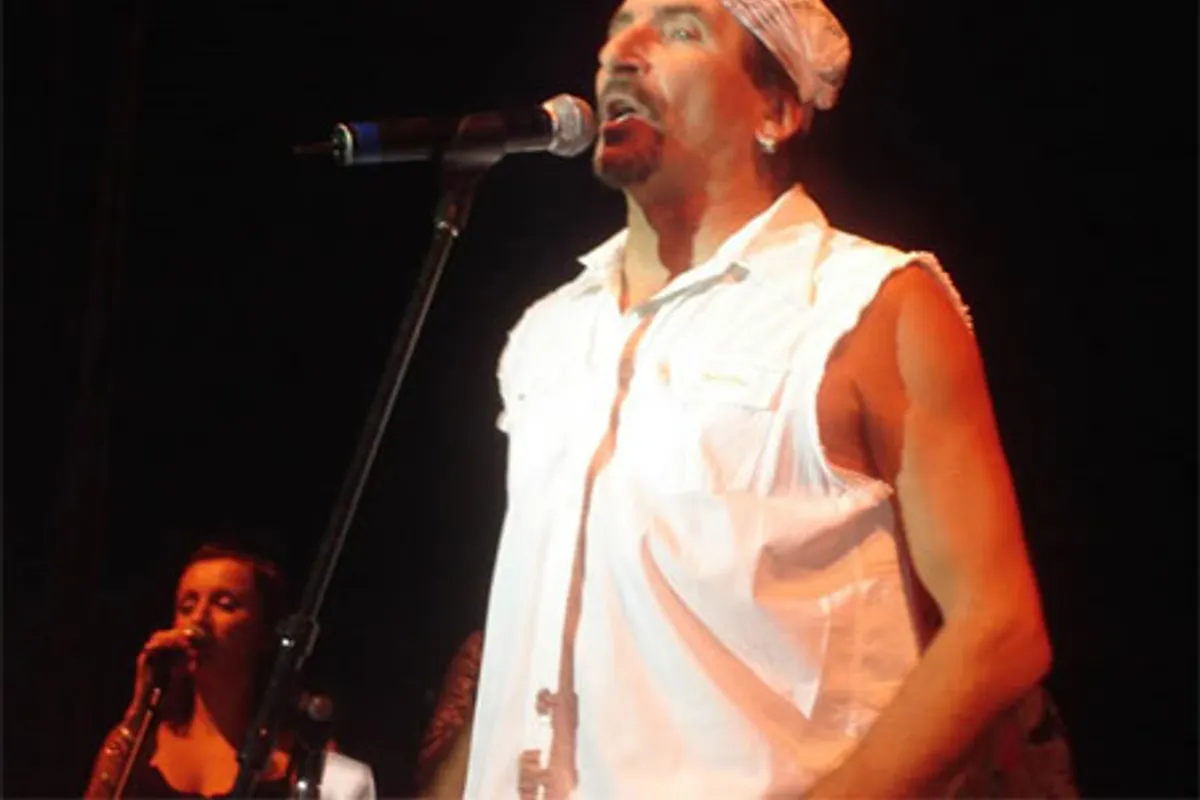
Performances in Vela Luka have long outgrown mere entertainment and become a ritual. By singing Oliver's songs, a kind of 'temporal bubble' is established-a form of symbolic temporal suspension in which the experience of the present is temporarily detached from the linear flow of everyday life. Collective singing produces an effect of affective and physical synchronization, creating a 'vibrational field' within which individual experiences merge into a shared resonant space, and emotional immediacy becomes a collectively produced effect of pleasure.
Between Cultural Memory and Market Articulation
Younger generations, who did not live during the peak of his creative output, encounter Oliver indirectly, through family listening, radio, and collective rituals. His songs exist before anyone chooses them, as a shared emotional language. In Oliver's case, widespread consensus points to society's need for a common sense of belonging, which in today's uncertain world provides a necessary feeling of permanence and security.
However, cultural memory is not merely spontaneous. It is built through concrete cultural and market processes, such as concerts, new performances, tribute projects, and media exposure. Over time, the well-known repertoire shifts from the realm of memory to the realm of cultural consumption, driven by nostalgia that makes it commercially viable. In this way, the culture of memory slowly changes its essence, from preservation to management, so the question of how we sing Oliver today also becomes a question of the boundaries between cultural memory and its market processing, and thus a question of the future of domestic music.