Measles in US Reaches Highest Level Since 1991 Due to Drop in Vaccination
CDC has confirmed 2,318 measles cases in 2026, already surpassing the record-setting 2025, and experts warn the true numbers are likely even higher.
CDC has confirmed 2,318 measles cases in 2026, already surpassing the record-setting 2025, and experts warn the true numbers are likely even higher.
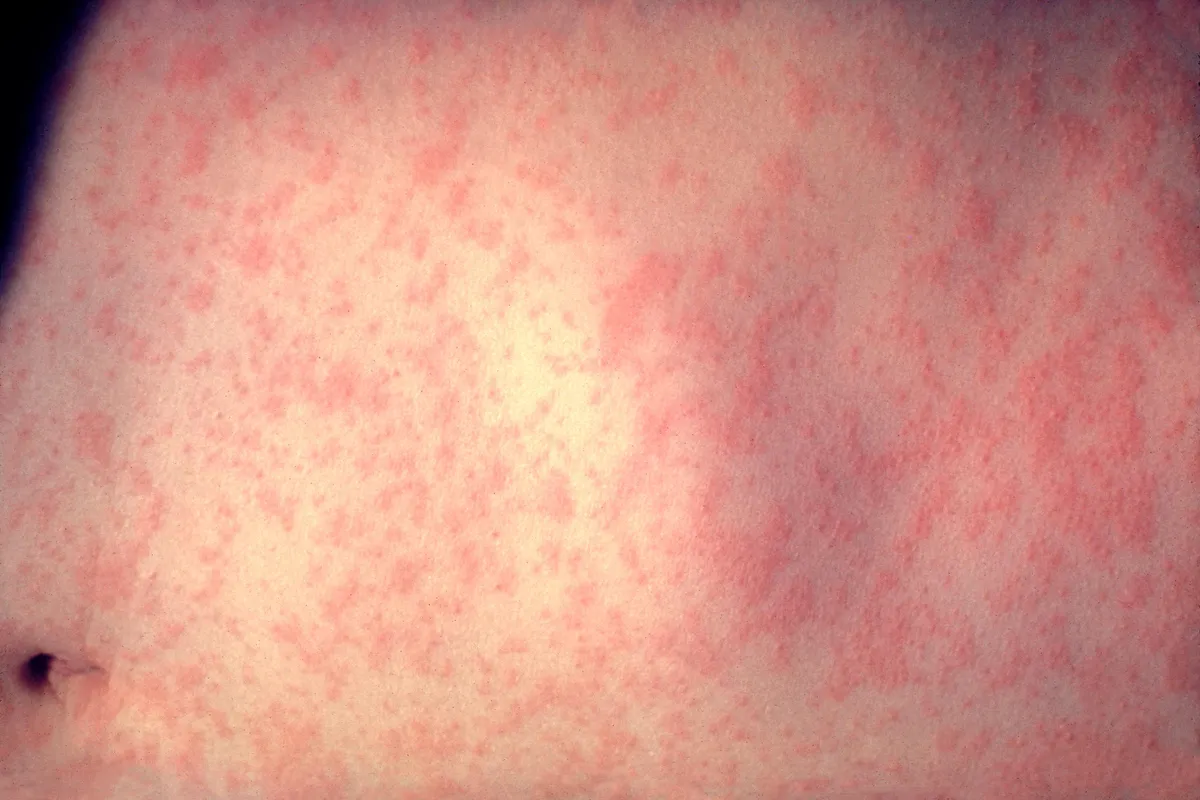
The United States is experiencing its worst year for measles in 35 years: the Centers for Disease Control and Prevention (CDC) announced on Friday, July 24, 2026, that 2,318 measles cases have been confirmed since the start of the year, already surpassing the total for all of 2025, with five months still remaining in 2026.
The previous year, 2025, was itself alarming: 2,289 measles cases were recorded, the highest in more than 30 years at the time. Now that level has already been exceeded by mid-year. The situation is particularly severe in South Carolina, where health authorities have reported 997 cases, emphasizing that even this number is likely underestimated. In addition to South Carolina, large outbreaks have been recorded in Utah and Arizona.
Experts cite declining vaccination rates as the primary cause. To prevent the spread of measles, community vaccination coverage of at least 95 percent is needed. However, in the 2024-2025 school year, the vaccination rate for kindergarten-age children fell to 92.5 percent, with even more pronounced drops in certain communities. The US eliminated endemic measles in 2000 thanks to successful vaccination campaigns, but that progress is now threatened. According to an Al Jazeera report, attacks on vaccination programs have intensified in recent years, including from prominent members of President Donald Trump's administration, who have sought to limit vaccination recommendations despite strong scientific consensus on their effectiveness.
Texas state epidemiologist Dr. Varun Shetty warned the Associated Press that official statistics only paint a partial picture.
"What we can count and report is almost always an underestimation of what actually happened, because it relies on people being willing to get tested and share information with healthcare providers and public health."Shetty also emphasized a broader message: "It is very important, not just for individuals but for communities, to have high vaccination coverage." Especially vulnerable are young children and people with weakened immune systems.
Measles is a highly contagious viral disease that spreads through respiratory droplets and can cause severe complications, particularly in children and immunocompromised individuals. The MMR vaccine (measles, mumps, rubella) was introduced in the 1970s and led to a dramatic drop in cases. 1991 was the last year the US recorded such a high number of cases, making the current situation the worst in 35 years. The decline in vaccination coverage below the herd immunity threshold opens the door for new outbreaks, and once community immunity is lost, it is difficult to restore quickly.
At the same time, the US is facing another health threat unrelated to measles. US health officials confirmed on Friday that it is the largest recorded outbreak of the Cyclospora parasite in the country's history. Since mid-May 2026, the CDC has recorded more than 11,000 cases of the intestinal disease cyclosporiasis across 41 states, with crystal lettuce from central Mexico identified as the likely source. Michigan is the hardest hit, with over 8,100 cases. Taylor Farms, one of the largest US food suppliers, voluntarily recalled all Mexican-origin crystal lettuce on July 17. The investigation is complicated because symptoms can appear several weeks after infection, making it difficult to reconstruct food histories of those affected and identify a common source.