Origin of Mysterious Waves That Struck Korčula in 1978 Revealed
The flood in Vela Luka in 1978 baffled even scientists, yet today the media easily recognize meteotsunamis. This phenomenon was explained by Croatian researchers.
The flood in Vela Luka in 1978 baffled even scientists, yet today the media easily recognize meteotsunamis. This phenomenon was explained by Croatian researchers.
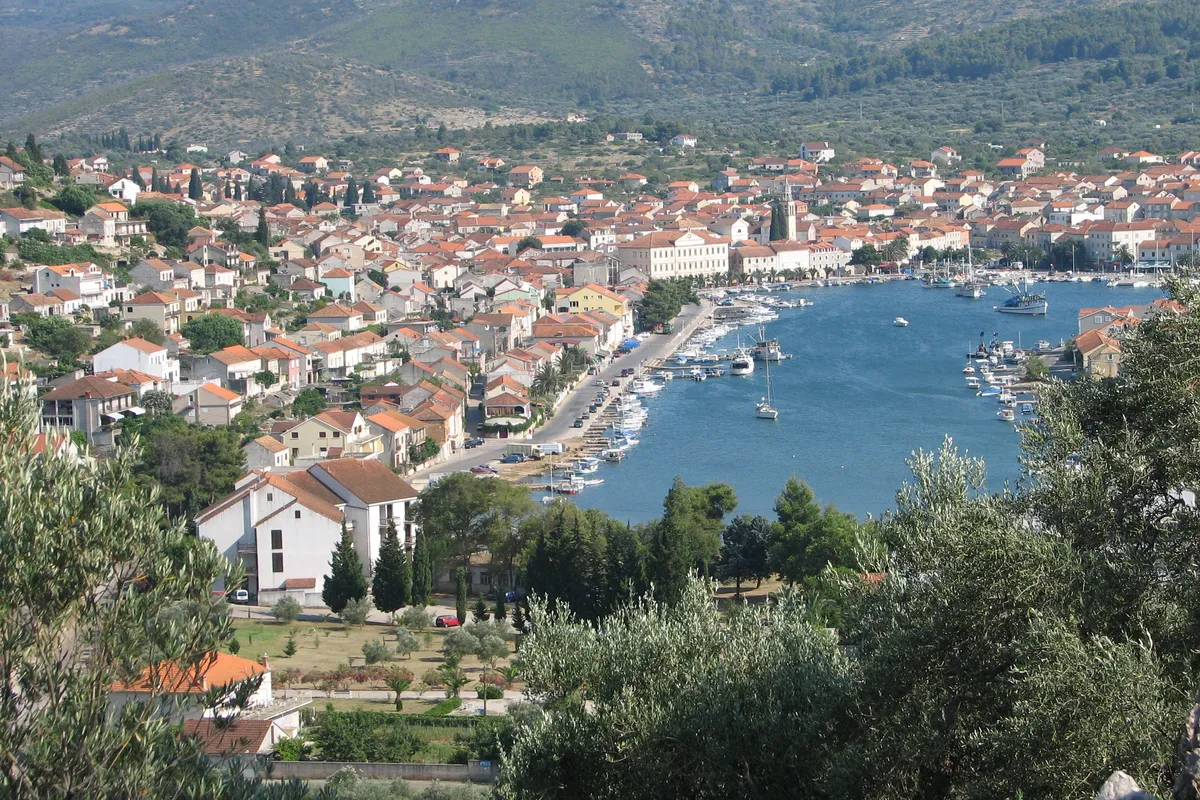
Nearly half a century ago, in the early morning hours of June 21, 1978, a powerful natural disaster struck Vela Luka on the island of Korčula. Over three hours, the sea flooded coastal homes at intervals, then receded, leaving boats stranded on the dry seabed. According to Večernji list, the waves reached heights of approximately six meters, measured from trough to crest, with an oscillation period of about fifteen minutes.
The damage was so extensive that it threatened the island's entire annual budget. With no strong winds or other clear cause for such sea movements, it was initially difficult to determine what exactly was happening. Some claimed it was a tsunami, a phenomenon caused by processes within the Earth, while others sought the cause in the atmosphere's influence on the sea.
Over time, the interpretation offered by the author two years after the flood prevailed, later refined with younger colleagues Danijel Belušić, Ivica Janeković, and Miroslav Pasarić. Their analysis showed that this was a sea wave that, under favorable conditions, amplifies twice through resonance: first during the transfer of energy from the atmosphere to the open sea, and then additionally during the transfer from the open sea to the coast.
Thus, this is a wave now known as a meteotsunami. During this year, similar waves were observed at several locations in the Adriatic, which, without prior consultation with experts, were immediately and correctly labeled as meteotsunamis in the media.
So, a phenomenon that baffled even scientists some fifty years ago is now easily recognized by the media. The author considers this a kind of success for all scientists who have so far studied Adriatic meteotsunamis, as well as for all those who informed the public about this research.