Pakistan as Mediator: China Supports Renewal of US-Iran Negotiations
Islamabad explores possibilities of restarting frozen diplomatic talks between Washington and Tehran, with visible support from Beijing, which fears for its own trade interests.
Islamabad explores possibilities of restarting frozen diplomatic talks between Washington and Tehran, with visible support from Beijing, which fears for its own trade interests.
Pakistan is exploring ways to help revive frozen negotiations between the United States and Iran, a diplomatic initiative that has gained momentum with China's support, according to three Pakistani sources familiar with the talks as reported by Azerbaijani media outlet Azernews. The move comes amid an almost five-month-long armed conflict between the US and Iran, which military analysts cited by the Wall Street Journal estimate could last for months more.
A key signal of diplomatic activity was the visit of Iranian Interior Minister Eskandar Momeni to Pakistan this week, his second trip in less than two weeks. Momeni, who according to available information is considered close to Iran's Revolutionary Guard, held talks with senior Pakistani officials and Pakistan's army chief General Asim Munir, as confirmed by Pakistani government statements. Three sources who spoke anonymously because they were not authorized to discuss the matter publicly, however, caution that significant obstacles remain before any potential direct US-Iran negotiations.
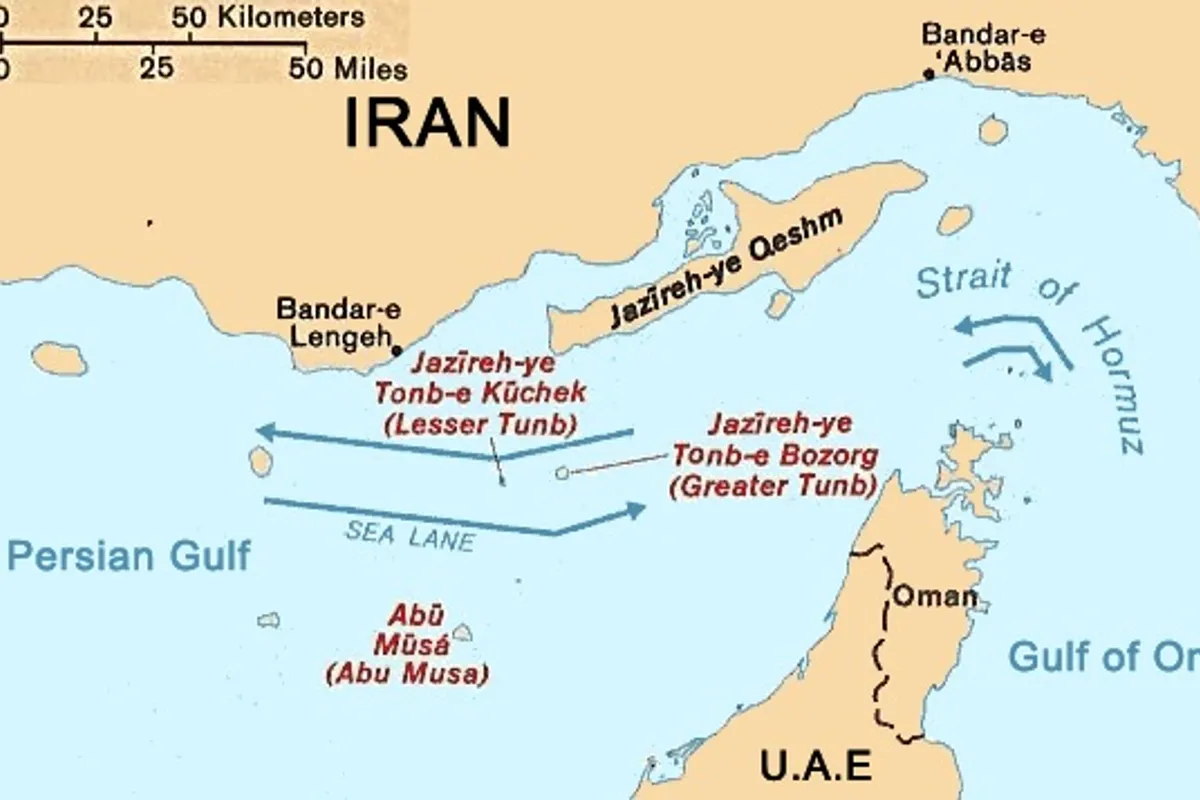
Pakistan's Foreign Minister Ishaq Dar discussed this diplomatic initiative with Chinese officials during his visit to China last week, according to the same sources. China's Foreign Ministry confirmed support for Pakistan's and other countries' mediation efforts, stating that Beijing will continue to play an active role in efforts to establish peace and stability in the Gulf region and the wider Middle East. A Pakistani government official said Beijing is increasingly concerned that Iranian attacks on Gulf countries and disruption of shipping through the Strait of Hormuz-a strategic waterway through which about one-fifth of the world's oil passes annually-are harming Chinese interests.
The US and Israel launched a military operation against Iran at the end of February this year. In June, Washington and Tehran signed a memorandum of understanding providing for an immediate cessation of hostilities on all fronts. However, on the night of July 7-8, the US renewed extensive strikes on Iran, accusing it of violating the agreement regarding the Strait of Hormuz. According to assessments by military analysts cited by the Wall Street Journal, both sides show readiness for further escalation but are approaching the limit of what they can achieve through military force, increasing the risk that the conflict could continue for a long time.
Pakistan's potential role as a mediator comes at a sensitive time for Islamabad. The Houthi movement from Yemen, an armed group backed by Iran, recently announced a naval blockade targeting Saudi Arabia, a close Pakistani partner with whom Islamabad signed a mutual defense agreement last year. Pakistan relies heavily on Saudi financial support and has strongly condemned the Houthi attacks on the kingdom. A diplomatic approach perceived as overly favorable to Tehran could therefore strain relations with Riyadh. At the same time, Pakistan has close ties with China, another important financial backer that has a strong economic interest in establishing stability on key trade routes through the Middle East.
While diplomatic efforts are underway, military conflicts on the ground are not abating. The Houthis have stated that they fired missiles and drones at facilities linked to oil giant Saudi Aramco in the Red Sea ports of Jizan and Yanbu, as reported by the South China Morning Post, but neither the Saudi government nor Aramco had confirmed this at the time of publication. Saudi authorities briefly issued emergency warnings but later withdrew them, announcing that the danger had passed. The Houthis also announced a blockade of Saudi ports and attacked two tankers linked to Saudi Arabia in the Red Sea. The US temporarily paused its night-time strikes on Iran without giving a reason, raising new questions about the strategy of President Donald Trump's administration in this conflict.