Pakistan: US and Iran Close to Deal on Strait of Hormuz
Signals of a possible end to the months-long blockade of the key waterway come amid ongoing dangerous incidents at sea, including an attack on a ship that killed four crew members.
Signals of a possible end to the months-long blockade of the key waterway come amid ongoing dangerous incidents at sea, including an attack on a ship that killed four crew members.
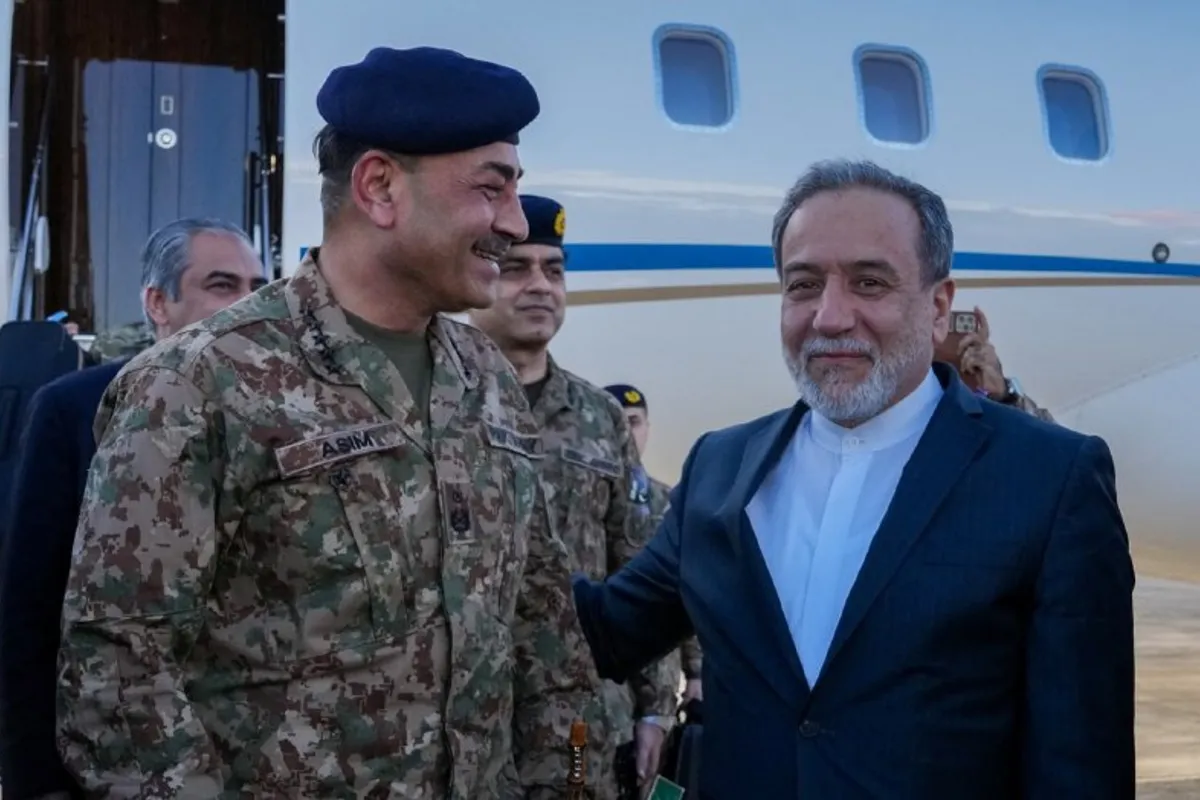
Pakistan's Defense Minister Khawaja Asif said on Tuesday that the United States and Iran are close to reaching "some kind of arrangement" to resolve the conflict. Signals of a potential deal, emerging alongside separate negotiations between Iran and Oman on managing the Strait of Hormuz, raise hopes for the normalization of the crucial waterway for global energy trade.
"Things are reshaping in favor of a peace agreement or a deal. Signals in the last two or three days indicate that we are close to some kind of arrangement," Asif told Bloomberg, as reported by Russia's TASS agency. His remarks come amid a diplomatic push in which Pakistan and Qatar are playing key mediator roles.
Simultaneously with Asif's statement, a high-level meeting took place in Tehran. Iranian Foreign Minister Abbas Araghchi hosted Pakistan's Interior Minister Mohsin Naqvi. Although details of their conversation have not been disclosed, the visit occurs against the backdrop of efforts to overcome the impasse and restart negotiations, according to Anadolu Agency.
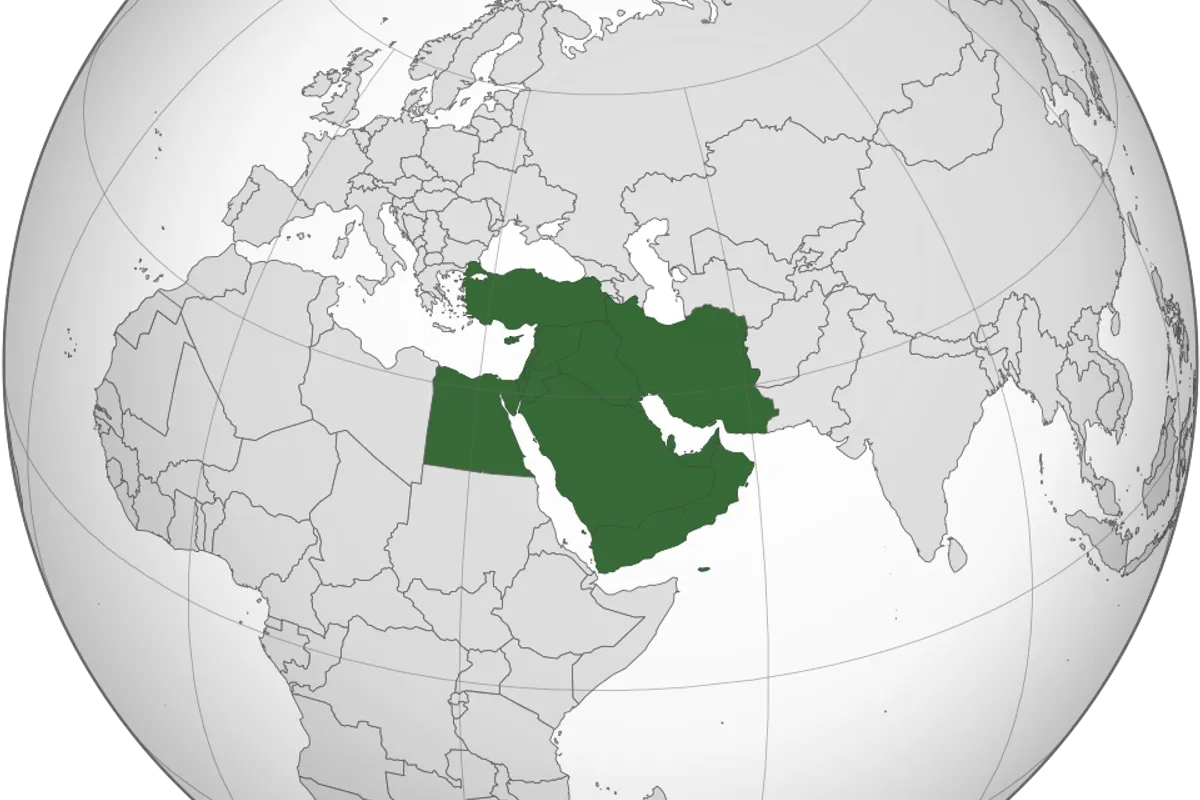
Adding to the optimism, Qatar has confirmed that negotiations between Iran and Oman on managing the Strait of Hormuz are in an advanced stage. This waterway is of paramount importance, as it carried about one-fifth of the world's oil and liquefied natural gas before the escalation of the conflict.
While diplomacy shows initial signs of progress, the situation at sea remains highly dangerous. On Tuesday, a suspected attack by Yemen's Houthi group on a small cargo ship in the Bab el-Mandeb Strait killed four crew members, Yemen's Ministry of Transport reported. The Houthis have not yet claimed responsibility for the attack.
In a separate incident, a container ship was struck by a projectile off the coast of Pakistan. The attack is suspected to be linked to U.S. forces enforcing a naval blockade of Iranian ports. These events underscore how fragile security is on the world's key maritime routes.
The conflict began on February 28, 2026, following U.S. and Israeli strikes on Iran. In the months since, thousands of people have been killed, mostly in Iran and Lebanon, while Iran has retaliated with attacks on U.S. targets and infrastructure in several countries in the region. Among Iran's demands for a deal are the lifting of sanctions, an end to military threats, and the issue of reparations. On the other hand, U.S. President Donald Trump is demanding that Iran pay compensation for the damage it has allegedly caused over the past 50 years.
Any agreement that would allow for the normalization of shipping through the Strait of Hormuz could significantly impact global energy prices, which is of direct interest to European consumers, including those in Croatia.