Peppers Are Large, but Still Green?
Green peppers are actually unripe fruit. With a few simple steps, you can speed up the color change and get sweeter, more aromatic fruits.
Green peppers are actually unripe fruit. With a few simple steps, you can speed up the color change and get sweeter, more aromatic fruits.
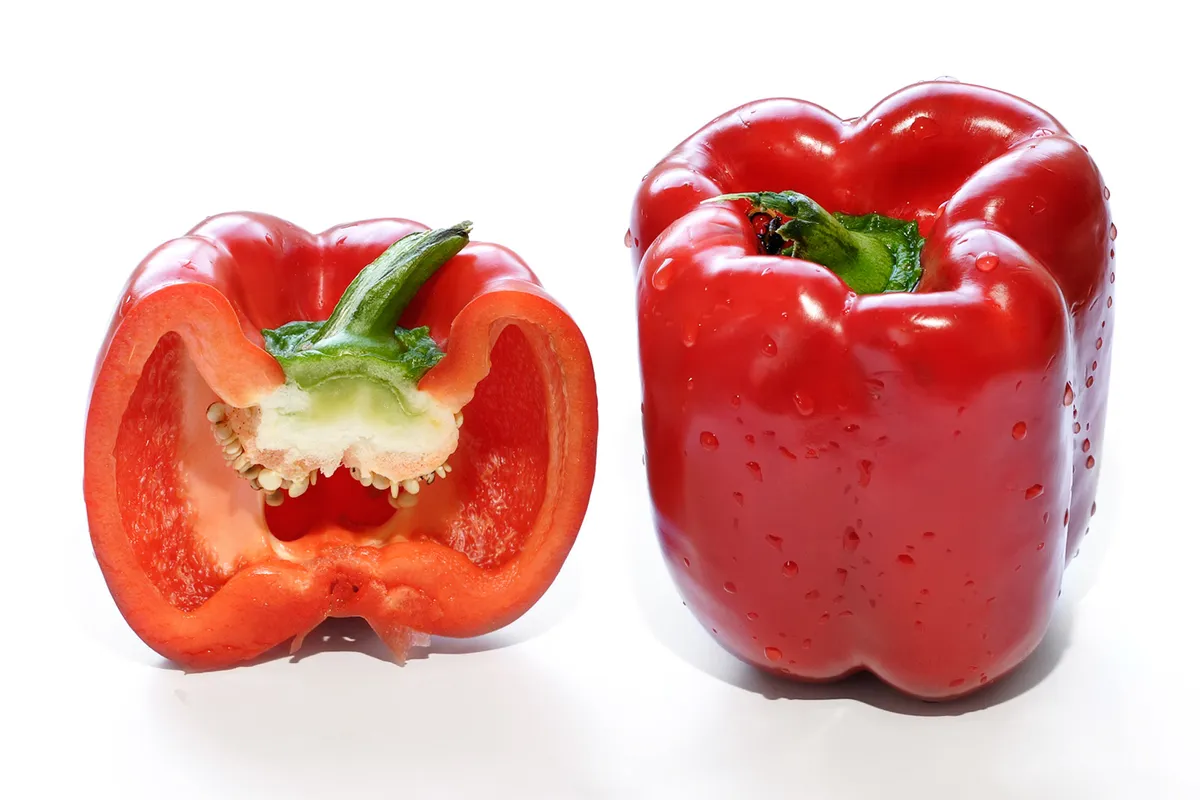
Sometimes it happens that large, fully formed pepper fruits remain green for weeks, leaving gardeners wondering if the plants are missing something. In most cases, this is a completely normal occurrence. A green pepper is actually a fruit that hasn't ripened yet, and depending on the variety, it will eventually turn red, yellow, orange, or purple, according to Lika Online.
Changing color requires time and the right temperature. Peppers ripen best with warm days and nights that are neither too hot nor too cold. The process can be slowed down by extreme heat as well as sudden drops in temperature. If the fruits are undamaged, firm, and have reached their expected size, usually all that's needed is a bit more patience.
At the end of summer, remove new flowers and very small fruits that no longer have enough time to develop. This way, the plant will invest less energy in new peppers and more in ripening the ones it already has. It's not necessary to remove all young fruits, only those that clearly won't ripen before the weather turns cold.
You can also remove damaged, yellowed, or diseased leaves, but don't strip the entire plant. Leaves are needed for the pepper to produce energy, and they also protect the fruits from sunburn caused by strong sunlight. It's enough to just thin out overly dense foliage that completely covers the fruits and hinders air circulation.
During this period, avoid fertilizers high in nitrogen. Such fertilizers encourage the growth of many leaves and new shoots, which can further delay fruit ripening. If the plants look healthy, there's no need for additional feeding. Overusing any fertilizer won't change the color of peppers overnight and can disrupt the nutrient balance in the soil.
Continue watering them regularly, but adjust the amount of water to the temperature and soil moisture. The soil should be moderately moist, not constantly wet. Sudden swings between complete drying out and heavy watering can cause stress, flower drop, or fruit problems. Water directly at the root, preferably in the morning.
If cooler weather is approaching, fully developed peppers can be picked and left at room temperature. Fruits that have already started to show red, yellow, or orange hues will change color most easily. Fully unripe and small peppers likely won't ripen properly after being picked. Spread the fruits in a single layer in a dry, well-ventilated spot away from direct sunlight. Check them regularly and immediately discard any that soften or begin to rot.
However, there's no need to wait for every pepper to change color. Green peppers are perfectly edible and can be picked as soon as they reach the appropriate size. If you leave some fruits on the plant, you'll get sweeter, more aromatic ripe peppers, while regular harvesting of green ones will encourage the plant to keep producing new fruit.