Bees in the Heat Consume 30 Liters of Water a Day
Beekeepers in Bjelovar report a fivefold increase in water consumption in hives, while ecological treatments have been postponed due to high temperatures that reduce effectiveness and harm bees.
Beekeepers in Bjelovar report a fivefold increase in water consumption in hives, while ecological treatments have been postponed due to high temperatures that reduce effectiveness and harm bees.
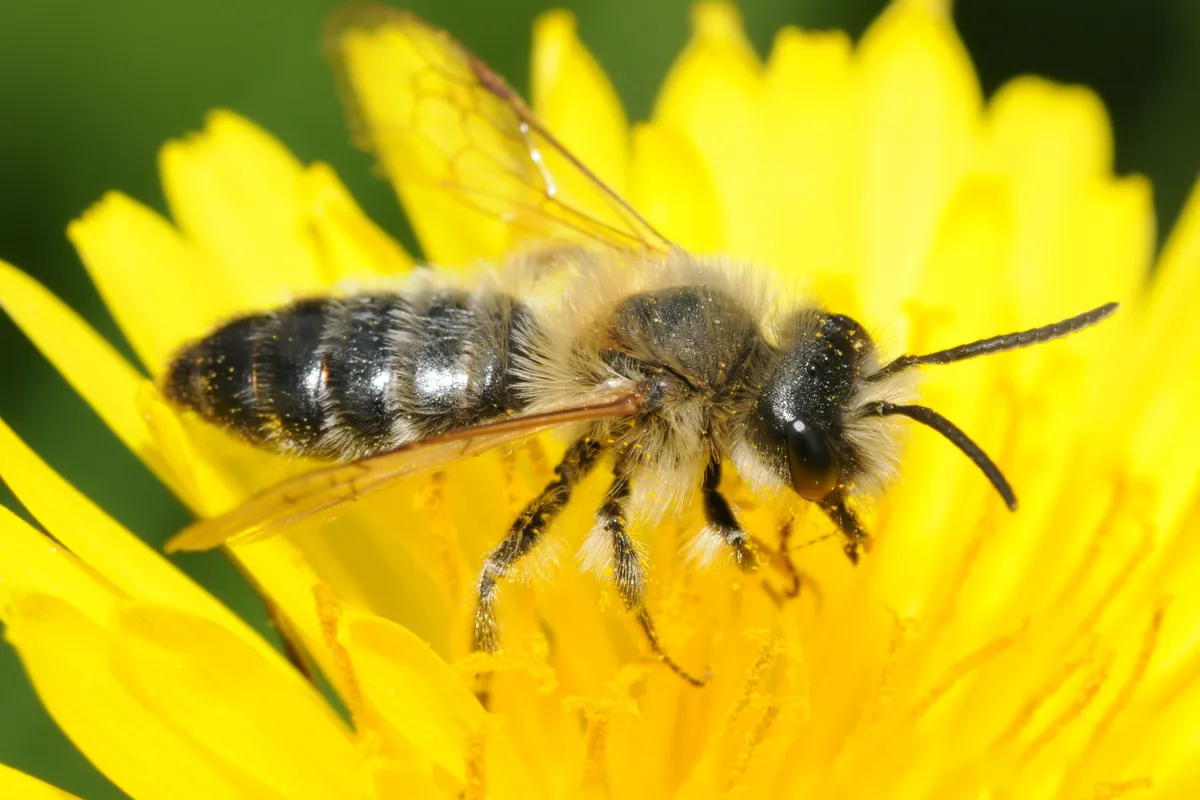
The heatwave sweeping through Croatia is not only affecting people but also bees. In the Bjelovar area, beekeepers report that their industrious insects are now consuming up to five times more water than usual. Although there have been no major consequences from the drought so far, caring for the hives requires extra effort.
Marijan Naranđa, a beekeeper from Bjelovar who tends to about a hundred hives, provides fresh water to his bees every day. "It's the same as with people. They need shade and fresh water daily; that's the most important thing. For example, mine consume about 30 liters of water a day," Naranđa told HRT Magazine. That's five times more than the usual amount.
Bees use water to cool the hives. "They bring the water into the hives, fan their wings, and in that way, the water evaporates. Through evaporation, the hot air exits," Naranđa explained. Although they have enough food in the hives, the plants that are usually available to them at this time of year are quickly drying out in the high temperatures.
High temperatures are also causing problems in the fight against pests. Ecological treatments to control varroa mites, which should start around this time, are not possible. "I can't do the treatment now because of the excessively high temperatures; it evaporates too quickly and isn't effective, and it's also harmful to the bees," Naranđa explained.
Despite the heat, this year has been favorable for beekeepers. The linden was abundant, and the acacia didn't disappoint either. The Naranđa family produces three types of honey that carry the highest level of European Protected Designation of Origin (PDO). "The standards are very strict. Traceability from the first to the last step you take, the amount of honey you extract, the control is rigorous. Honey analysis is done in two laboratories," Naranđa emphasized.
His wife, Vlasta Naranđa, reveals who values the protected designation the most. "Mostly young people appreciate the label the most, while older people look at the price. However, we sell a lot of honey to the coast and Zagreb," she said. They are proud to be among the 51 products that Croatia has protected at the European Union level, which is a confirmation of their quality and effort.