The U.S. Department of Defense is considering reducing the American military presence in the Persian Gulf following the war with Iran, the Washington Post reported on Tuesday, August 18, 2026, citing sources in the U.S. administration. According to the newspaper, the Pentagon is evaluating "whether to withdraw troops from the Persian Gulf, where major U.S. overseas military bases have been exposed to months of Iranian attacks."
Sources say the Department of Defense has "already signaled that it may not rebuild its bases as they were before the conflict." As the Washington Post writes, this is an assessment of the military footprint in the Middle East that could be an early sign of the potential for the Iran War to transform the U.S. presence in the region.
Options for Relocating Forces
According to a report relayed by Clash Report, options under consideration include relocating forces further west, to Jordan, Israel, or Saudi Arabia, rather than rebuilding damaged facilities. A formal decision has not yet been made.
The Joint Chiefs of Staff and U.S. Central Command (CENTCOM) are involved in the assessment, the Washington Post reports. The newspaper notes that this is not a comprehensive review of the U.S. military presence in the region, but rather an evaluation conducted by the Pentagon's policy office.
Timeline of the Conflict
The U.S. and Israel launched a war against Iran on February 28, 2026. In June, Washington and Tehran signed a memorandum of understanding providing for an immediate ceasefire on all fronts, including Lebanon.
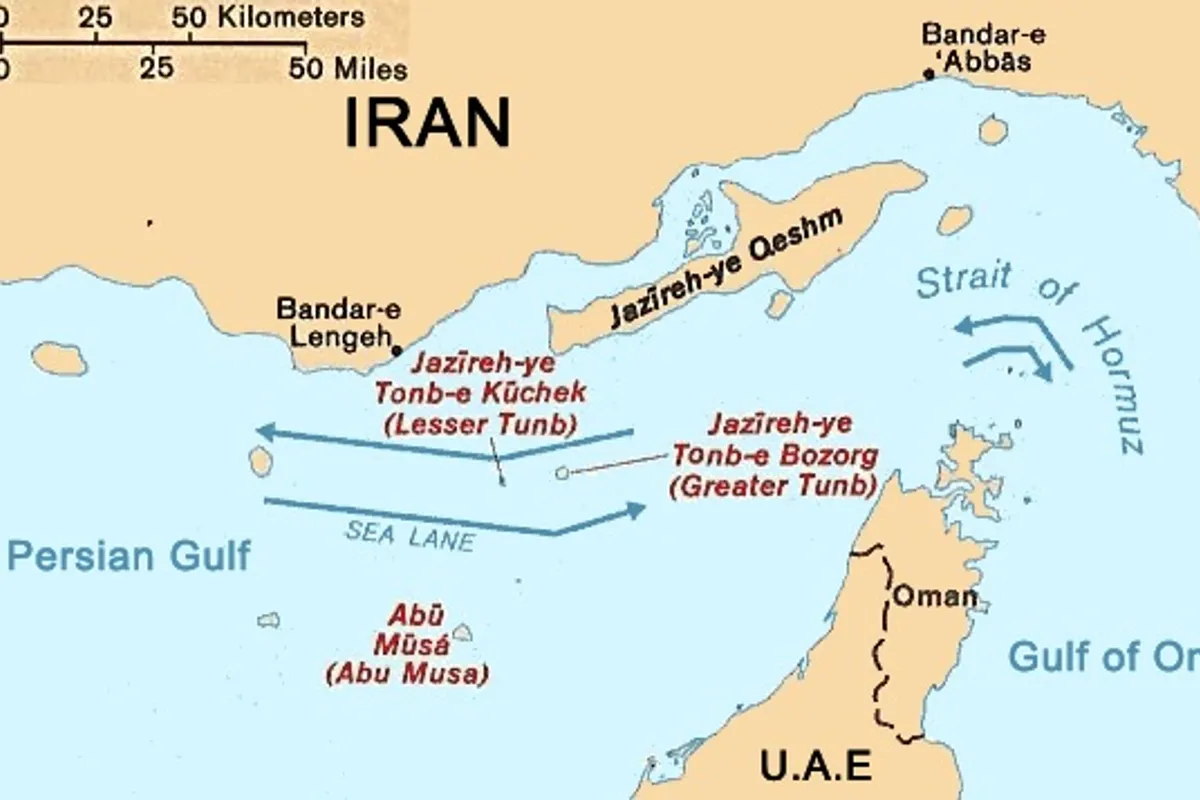
However, on the night of July 7-8, the U.S. resumed major strikes on Iran, accusing it of violating existing agreements related to the Strait of Hormuz. That strait is a key point of contention because 25 percent of global oil trade and about 20 percent of liquefied natural gas trade passes through it.