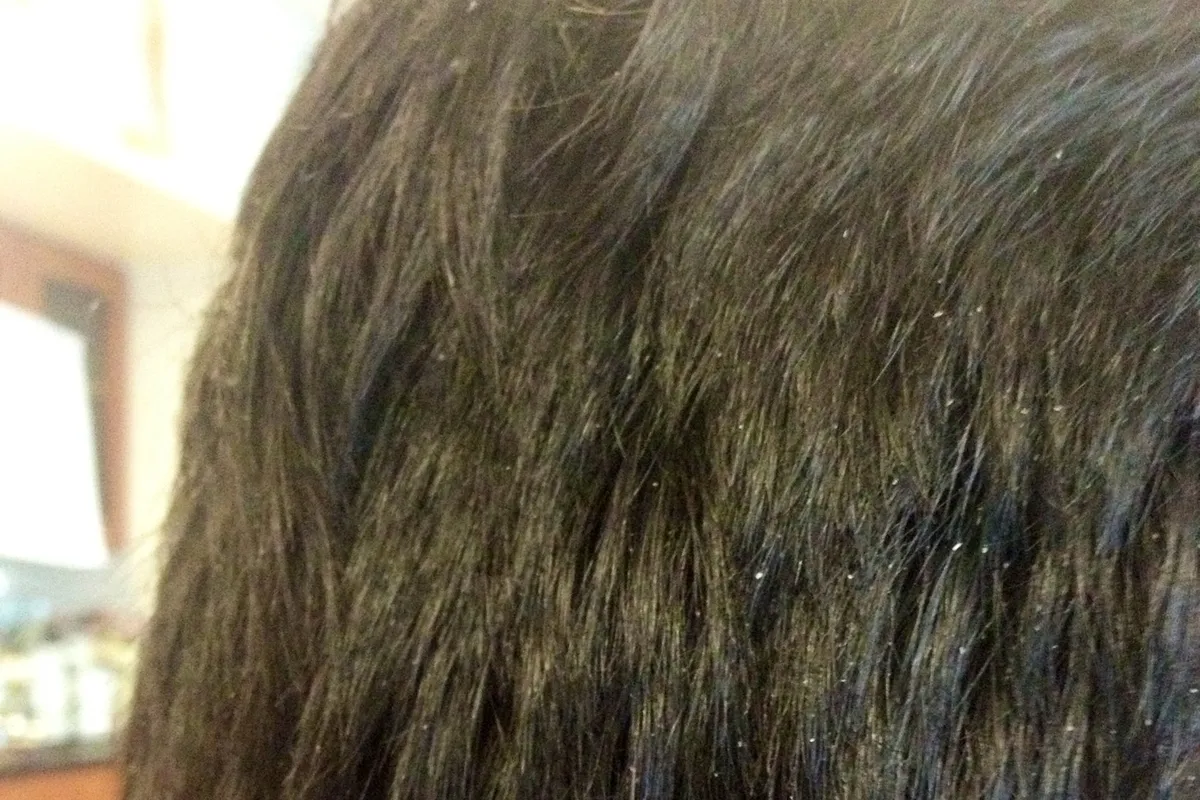
When we notice white flakes on our clothing around the shoulders or our scalp starts to itch intensely, many of us immediately suspect dandruff. This is expected, as it's a very common problem with a wide range of products available. However, sometimes the cause isn't dandruff but scalp psoriasis, a chronic inflammatory skin condition that requires a completely different treatment approach.
How to Tell Dandruff from Scalp Psoriasis?
Dandruff is caused by the overgrowth of the Malassezia fungus, which is naturally present on the scalp. In some individuals, it multiplies excessively, leading to irritation, increased flaking, and itching. In most cases, symptoms can be well managed with medicated shampoos.
On the other hand, scalp psoriasis is a long-term autoimmune disease in which the immune system accelerates the skin cell renewal process. This leads to the formation of thickened patches covered with scales, which can be very itchy, painful, and persistent.
How to Spot the Difference?
Although even skin experts sometimes struggle to distinguish between the two conditions, several indicators can be helpful. The appearance of the flakes differs; with dandruff, they are typically small, white or yellow, greasier in consistency, and spread across the entire scalp. With psoriasis, the scales are usually thicker, drier, and located in specific areas of the skin.
Also, pay attention to the condition of the skin, as with psoriasis, significant inflammation is often visible beneath the scales. With ordinary dandruff, severe redness of the skin is much rarer. If you notice changes on other parts of your body besides the scalp, this could be an important clue. Seborrheic dermatitis (dandruff) often appears along the hairline, around the nose, between and above the eyebrows, and behind the ears, while psoriasis more commonly affects the elbows, knees, the area between the buttocks, and even the nails.
What to Do If Anti-Dandruff Shampoo Isn't Working?
If you've been using a medicated anti-dandruff shampoo correctly and the itching and flaking haven't improved or return quickly, there's a chance it's not dandruff. Experts note that anti-dandruff shampoo should be left on the scalp for at least five minutes before rinsing to allow the active ingredients enough time to work. If there's no improvement even after proper use, a visit to a dermatologist is recommended.
How Is Scalp Psoriasis Treated?
Treatment will largely depend on the severity of the condition. For mild cases, medicated shampoos containing active ingredients like salicylic acid or coal tar are often used, while moderate to severe cases may require topical medications, oral tablets, or phototherapy, which involves controlled UV radiation.
Why Is an Accurate Diagnosis Crucial?
People with scalp psoriasis have a higher risk of developing psoriatic arthritis, an inflammatory joint disease that, if left untreated, can lead to permanent damage. For this reason, dermatologists often ask patients about symptoms such as heel pain, swollen fingers, or joint stiffness, and may involve a rheumatologist in ongoing treatment, according to Glamour.
This article is for informational purposes only and cannot replace a medical examination, diagnosis, or advice.