Five Signs Your Body Is Chronically Lacking Protein
Protein isn't just important for muscles-its deficiency can show up in your skin, hair, nails, and hunger cues, and recognizing these signals is the first step toward a more balanced diet.
Protein isn't just important for muscles-its deficiency can show up in your skin, hair, nails, and hunger cues, and recognizing these signals is the first step toward a more balanced diet.
Protein is a fundamental building block of our bodies, yet its role is often mistakenly reduced to muscle building and sports nutrition. In reality, proteins break down into amino acids that the body uses for a range of vital functions, from tissue repair to maintaining healthy hair and nails. Insufficient intake can manifest in various, sometimes unexpected, ways.
Protein needs vary from person to person and depend on age, body weight, physical activity level, and overall health. Experts recommend spreading your daily intake across multiple meals rather than consuming it all at once. If you're unsure whether you're getting enough, the following five signs may indicate it's time for a change.
1. You Feel Hungry Again Soon After Eating
If you feel the need for another meal shortly after eating, chances are your plate didn't contain enough protein. Protein contributes to a longer feeling of fullness, especially when combined with fiber-rich foods and healthy fats, so its absence can lead to more frequent hunger pangs.
2. Your Skin Heals More Slowly
Protein directly participates in building and repairing tissue. If you notice that minor scrapes, cuts, or other skin injuries heal more slowly than usual, one factor to consider is your diet-specifically, a possible deficiency in this nutrient.
3. Difficulty Maintaining or Building Muscle Mass
Physical activity alone isn't enough for muscle growth-your body also needs the right nutrients, among which protein plays a particularly important role. Chronic protein deficiency can hinder recovery after workouts and significantly slow down progress in building muscle mass.
4. Your Hair Becomes Thinner and Weaker
Hair is primarily made of keratin, a protein that gives it structure and strength. When the body doesn't get enough protein over an extended period, it can affect the quality, density, and growth rate of hair in some people.
5. Brittle and Weak Nails
Like hair, nails contain keratin. If they've become extremely thin, weak, or prone to breaking, the cause could be a lack of certain nutrients, including protein. Of course, such changes can also have other medical causes, so it's always a good idea to consult a professional.
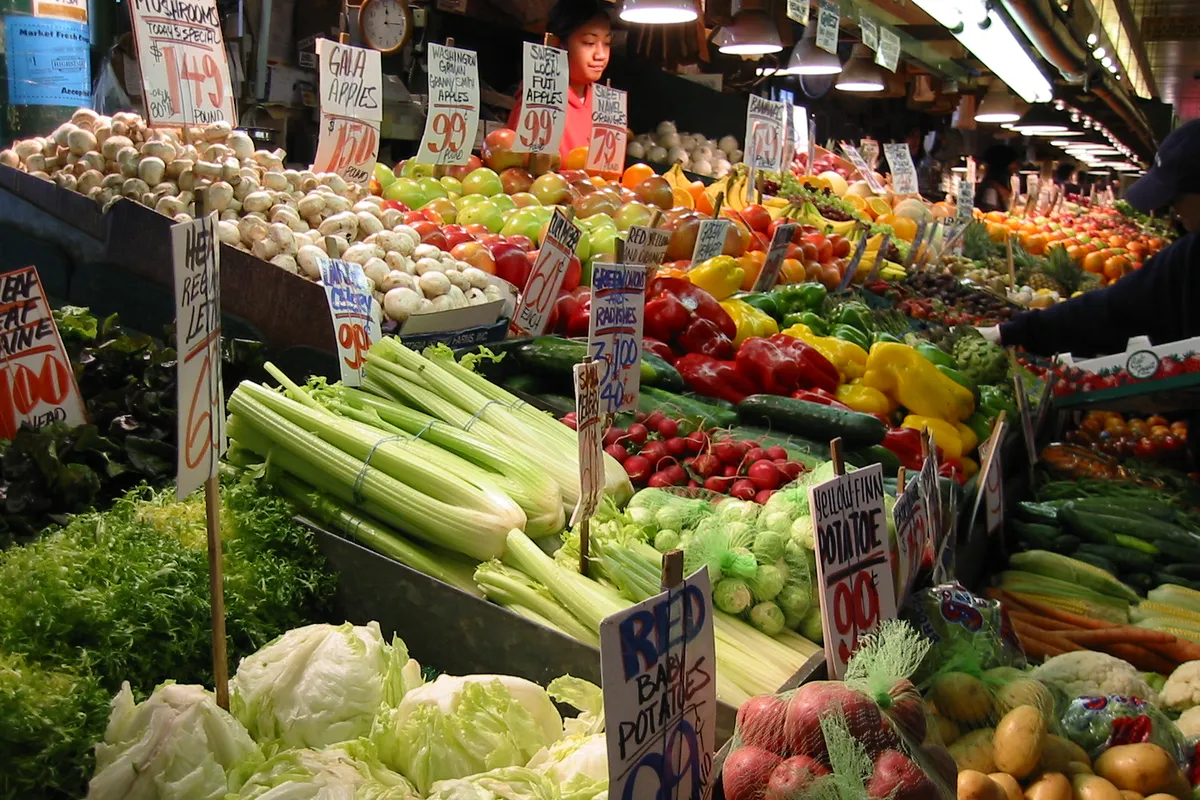
Increasing your protein intake doesn't require drastic changes. Simply incorporating eggs, Greek yogurt, cottage cheese, tofu, fish, meat, legumes, nuts, and other protein-rich foods into your daily meals is enough.
Pay special attention to breakfast. If you skip it or choose meals that leave you hungry again quickly, adding a quality protein source can make your first meal of the day more filling and nutritionally richer, which can positively impact your energy levels and concentration throughout the morning.