One of the biggest hits of the band Plavi orkestar, the song "Better to Be Drunk Than Old," was not always freely aired on radio stations in the former Yugoslavia. The Union of Pensioners of the Former Yugoslavia from Novi Sad initiated a ban on the band, the matter escalated to the public prosecutor, and the song's airplay was ultimately formally banned.
White Tape Over Posters
The singer of Plavi orkestar, Saša Lošić Loša, in an interview described the absurd consequences of that ban.
"I was never angry when someone wrote a bad review about us. Moreover, the Union of Pensioners of the Former Yugoslavia from Novi Sad once initiated a ban on us as a band because of the song "Better to Be Drunk Than Old." The matter even reached the public prosecutor and the song was banned from airplay. At that time, we had a big tour across the former country, and municipal workers had to stick white tape over posters that were already put up all over the country, because the tour was called "Better to Be Drunk Than Old."
, said Loša.
The image of municipal workers covering thousands of posters with white tape because the tour name contained the banned phrase sounds incredible today, but it was the reality the band faced at the height of their popularity. How consistently the ban was enforced and how much it was merely a formal gesture towards pensioner associations is not known from available sources.
Who Was Buca?
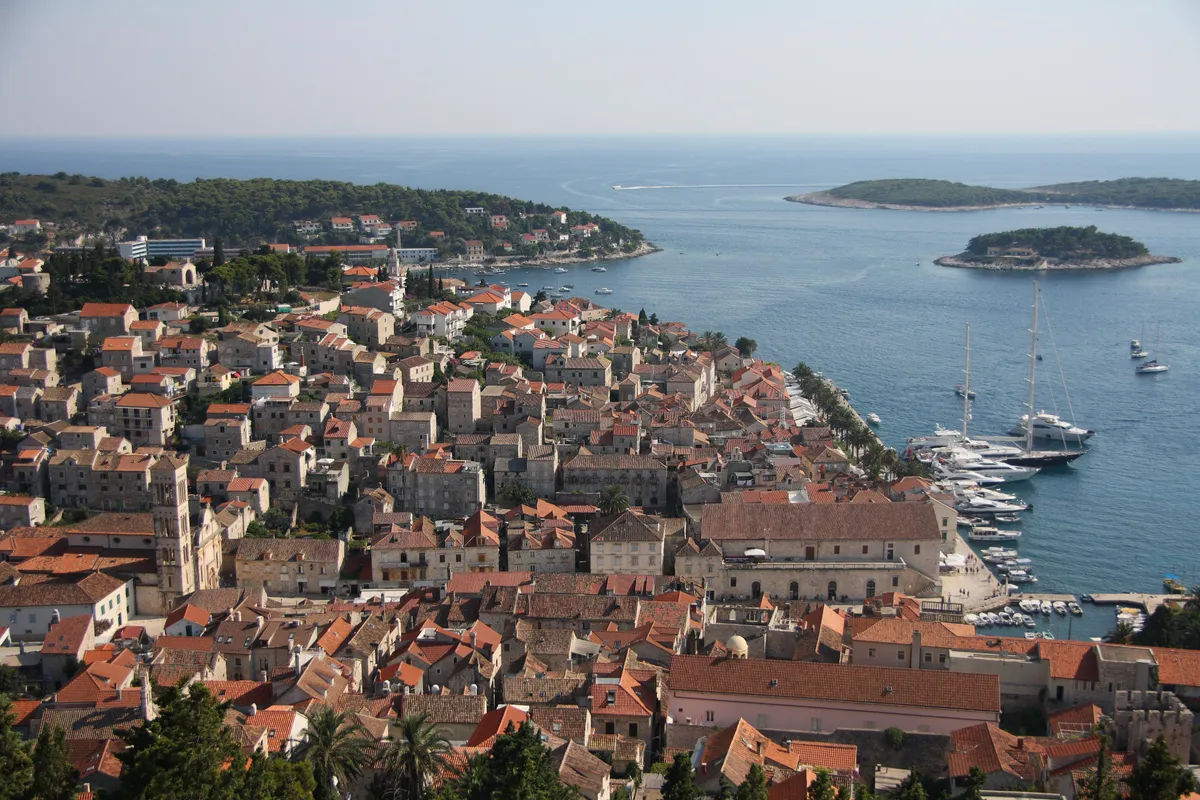
Alongside the scandal with the pensioners, Loša revealed in an interview with Večernji list the personal story behind the very title of the song. It all started with a girl known only as Buca, an unrequited love from his youth. According to Loša, one year in September, upon returning from Hvar, Buca complimented him on his tan and then asked him to wait for her on the bridge that separated the boys' and girls' high schools.
"I waited for her exactly at five o'clock, but she didn't come. After she never showed up, I went to the café "Pošta." That was the first time in my life I got properly drunk. My punk friends later told me that I kept repeating the irrational sentence "better to be drunk than old."
, said Loša. That irrational utterance from a night of disappointment eventually became the title of one of the most recognizable hits from the former Yugoslavia.
Skenderija and the Dedication to Buca
The story with Buca didn't end in the café "Pošta." Loša described how, at the first Plavi orkestar concert in the packed Skenderija in Sarajevo, he directly addressed Buca from the audience, saying it was better to be drunk than old. After the concert, at the after-party for guests, he was disappointed by her absence, but according to him, Buca appeared like in the movies, together with a friend.
In the interview for Večernji list, Loša also touched upon an interesting inconsistency in the song's lyrics, pointed out by a fan in YouTube comments. In the first part of the song, he sings that he regrets they were only good friends, while in the second part, wine doesn't know they were once a happy couple. This seemingly contradictory image of his relationship with Buca is part of the irrational charge that, as Loša himself explains, was embedded in the very core of the song from the beginning.
Plavi orkestar and the Legacy from Sarajevo
Plavi orkestar is a rock band from Sarajevo that marked the music scene of the former Yugoslavia in the 1980s. Along with "Better to Be Drunk Than Old," the band is known for a series of hits that are still popular in the region, including Croatia. The story of the song's ban due to pressure from pensioner associations illustrates the specific relationship of the then system towards popular culture, where even seemingly harmless phrases could become the subject of formal legal proceedings. Today, Loša looks back on the whole case with a dose of humor, but the white tape on the posters remains one of the most striking symbols of that time.