PM Unveils Plan: Average Salary of €1,600 by 2028
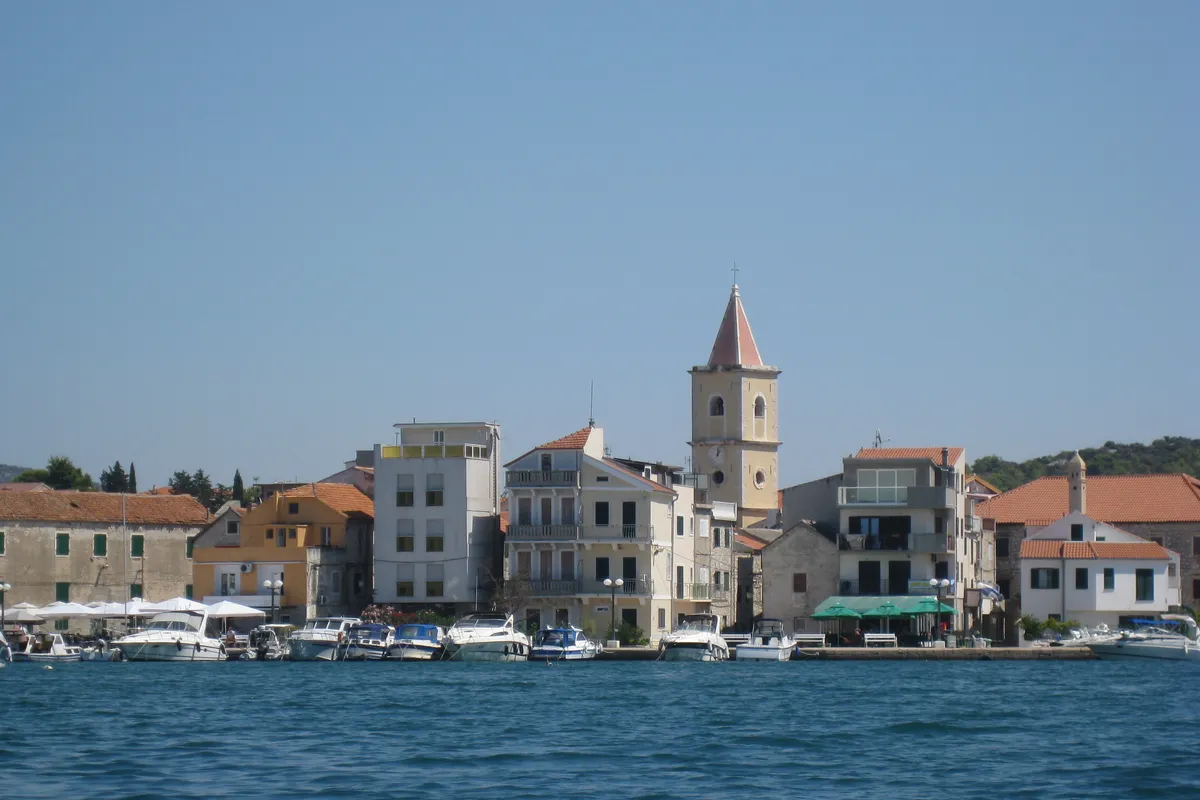
In Bol on Brač, Plenković outlined the government's goal for the end of its term, announcing consultations on the minimum wage in October.
In Bol on Brač, Plenković outlined the government's goal for the end of its term, announcing consultations on the minimum wage in October.
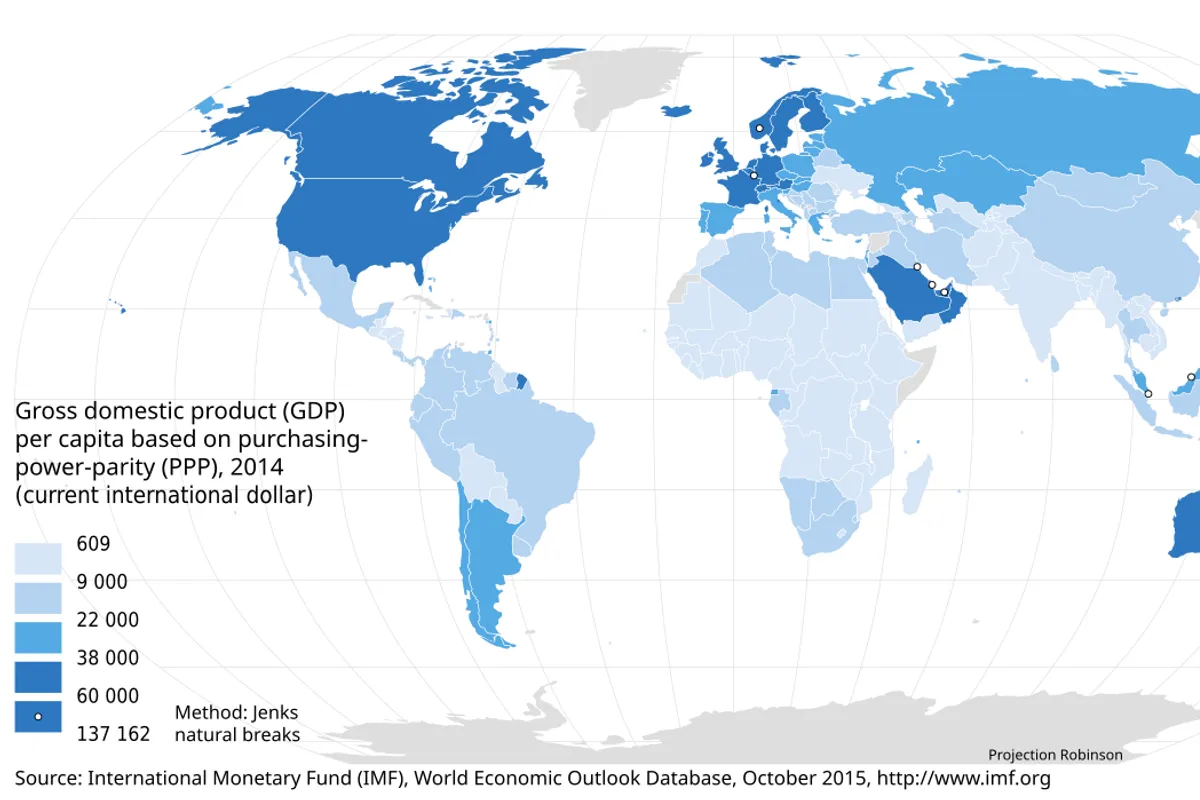
On Tuesday, Prime Minister Andrej Plenković stated that the government plans to raise the average salary in Croatia to €1,600 by 2028. According to him, this goal is achievable since the current average salary already exceeds €1,550.
"Our ambition is for the average salary to reach €1,600 by the end of the third mandate. We are already above €1,550, moving toward that goal, and it will be achieved without a doubt, which means we plan rationally," Plenković told reporters in Bol on the island of Brač, following a ceremonial session of the Municipal Council marking the municipality's day.
The Prime Minister announced that talks with employers and unions will be held during October, followed by a decision on the new minimum wage amount. Currently, the minimum gross wage is €1,050.
Plenković emphasized that they have always sought to raise the minimum wage more than any previous government, while also ensuring sustainability for employers in sectors where workers earn the minimum wage. "We have always tried to raise the minimum wage more than all governments before us, and on the other hand, we took care that it remains sustainable for employers in those sectors where, unfortunately, there are people working for the minimum wage," he said.
To ease the burden of the minimum wage increase, the Prime Minister mentioned the possibility of compensatory measures. The state would temporarily finance the increase, allowing employers time to adjust.
"We are ready to introduce compensatory measures, where the state, through its transfers, finances the minimum wage increase for a period of several months, thus providing enough time for all those affected to be able to finance these wage increases," he explained.
Plenković reflected on long-term trends, noting that the minimum wage has increased by 134 percent over the past ten years. The average and median wages have recorded growth of more than 100 percent in the same period.
The Prime Minister commented on economic conditions, expressing satisfaction with this year's tourist season. He emphasized that Croatian tourism has maintained its competitiveness.
"The first seven months are in the positive, the season is better than last year's, which is evident from fiscalization and traffic," concluded Plenković.